Driving into a New Era: Unpacking Automotive’s Transformative Technologies

The automotive industry is in the midst of its most profound transformation yet, moving far beyond traditional manufacturing to embrace a future driven by intelligence, sustainability, and connectivity. Witnessing a remarkable surge in Electric Vehicle Sales, the sector is rapidly redefining what it means to build, sell, and experience a vehicle. This dynamic shift is fueled by a confluence of groundbreaking technologies and evolving consumer expectations, pushing the boundaries of innovation at an unprecedented pace.
Electrifying the Road Ahead: Powering Sustainable Mobility
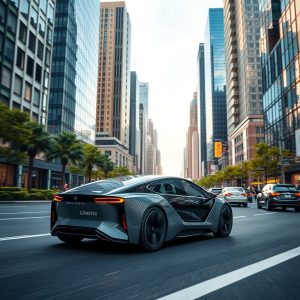
The acceleration of electric vehicle adoption is undeniable, driven by advancements in battery technology and growing environmental consciousness. Innovations like Solid State Batteries promise greater energy density, faster charging times, and enhanced safety, paving the way for even wider EV accessibility. Beyond pure electric, the industry is also exploring diverse sustainable power options, including the continuous development of Hydrogen Fuel Cells for heavy-duty applications and the refinement of Hybrid Powertrain Systems that offer a bridge to full electrification.
To maximize efficiency, Regenerative Braking Technology is becoming standard, capturing kinetic energy typically lost during deceleration and converting it back into usable power. This holistic approach to energy management is crucial for establishing robust Green Energy Ecosystems that support the entire lifecycle of sustainable transportation, from power generation to vehicle operation and charging infrastructure.
The Intelligent Vehicle: A Software-Driven Experience
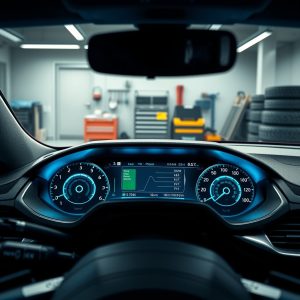
Modern vehicles are increasingly sophisticated computers on wheels, transforming into true Software Defined Vehicles (SDVs). This paradigm shift enables deep customization and continuous improvement through regular Over The Air Updates (OTA), much like a smartphone. The vast amount of Connected Car Data generated allows for advanced diagnostics, predictive maintenance, and the development of highly personalized user experiences.
Harnessing Hyper Personalization AI, vehicles can adapt to individual driver preferences, from seat position to infotainment settings, creating a uniquely tailored environment. Safety is paramount, with sophisticated Advanced Driver Assistance (ADAS) systems becoming standard, laying the groundwork for more advanced Autonomous Driving Systems. However, this connectivity also necessitates stringent Vehicle Cybersecurity Compliance to protect sensitive data and ensure the integrity of vehicle operations, while emerging technologies like Biometric Driver Sensors enhance both security and convenience.
Reimagining Production: Smart Factories and Circularity
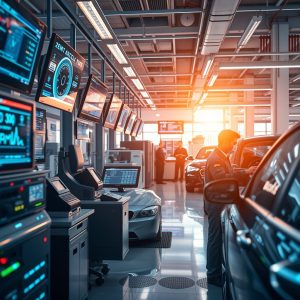
The manufacturing landscape is undergoing its own revolution, with Smart Factory Automation leading the charge. Robotics, AI, and IoT are integrating seamlessly to create highly efficient, flexible, and data-driven production lines. This technological leap supports the broader movement towards Circular Economy Manufacturing, where products and materials are kept in use for as long as possible, reducing waste and reliance on virgin resources.
Implementing Sustainable Supply Chains is critical, ensuring ethical sourcing, reduced environmental impact, and greater transparency from raw materials to finished product. Furthermore, the use of Digital Twin Fleets allows manufacturers and operators to create virtual replicas of their vehicles and entire fleets, enabling real-time monitoring, predictive maintenance, and optimized performance without physical intervention, significantly boosting efficiency and sustainability.
Evolving Business Models: Access Over Ownership
The traditional model of car ownership is being challenged by innovative alternatives. Mobility As A Service (MaaS) platforms offer integrated, on-demand transportation options, from ride-sharing to public transit, emphasizing access over personal ownership. This shift caters to urban dwellers seeking flexible, cost-effective, and environmentally friendly ways to travel.
Simultaneously, the way vehicles are sold is adapting to modern consumer behaviors. Multi Channel Retailing integrates online configurators, virtual showrooms, and physical dealerships, providing a seamless and personalized purchasing journey. These evolving models reflect a broader industry response to changing consumer values and the increasing demand for convenience and flexibility in automotive interactions.
The automotive industry’s trajectory is clearly defined by these interconnected innovations, each playing a vital role in shaping the future of mobility. For businesses and consumers alike, understanding and engaging with these trends – from the rise of electric vehicles and software-defined architectures to sustainable manufacturing and new ownership paradigms – is essential. The companies that strategically embrace these shifts will not only thrive but also lead the charge in creating a more intelligent, sustainable, and connected world on wheels.