The Invisible Nexus: How Software Defined Vehicles and Solid State Batteries Are Crafting the Self-Optimizing Electric Vehicle
Revolutionizing Mobility: The Rise of Software Defined Vehicles
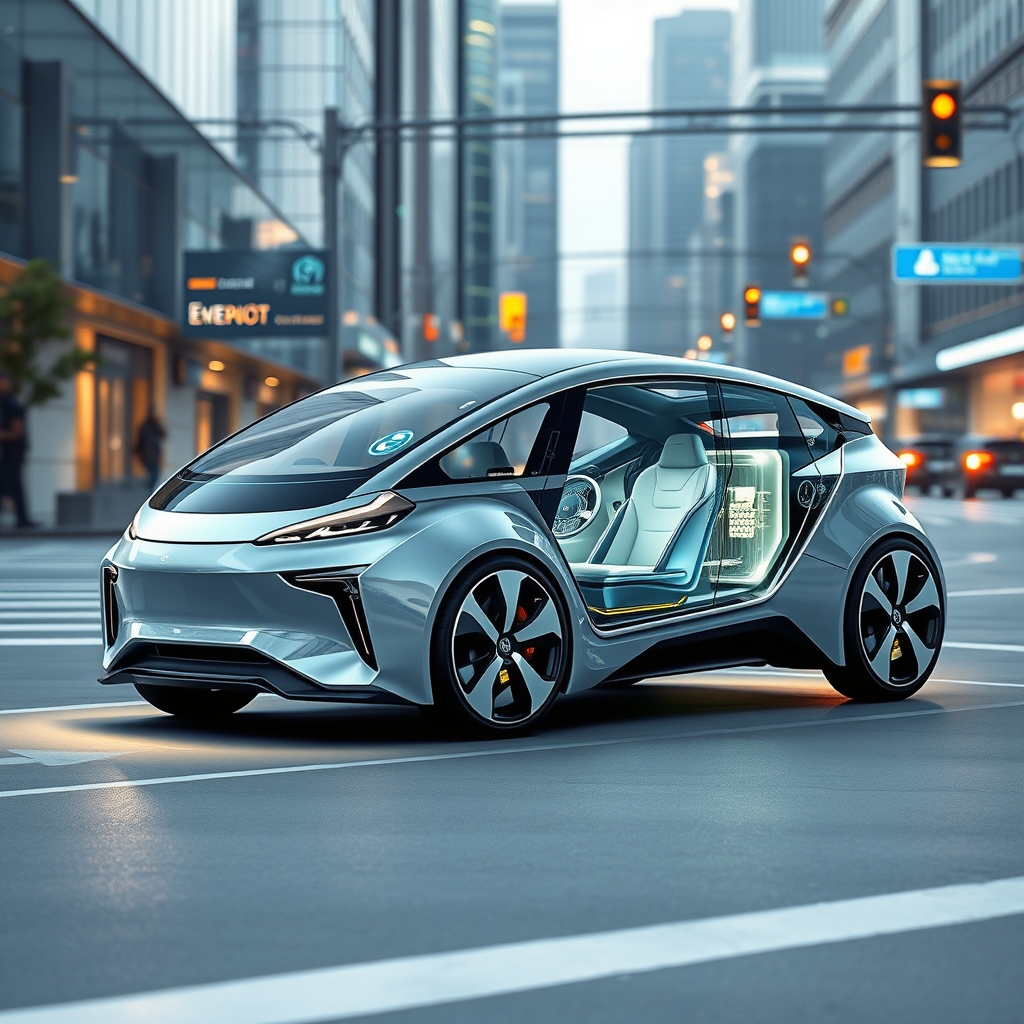
The automotive industry is on the cusp of a significant transformation, driven by the advent of software defined vehicles (SDVs). These vehicles are not just mechanical entities but sophisticated, software-driven platforms that can adapt, learn, and evolve over time. At the heart of this revolution is the integration of advanced software systems that control various aspects of the vehicle, from powertrain management to infotainment and safety features.
The Power of Software Defined Vehicles
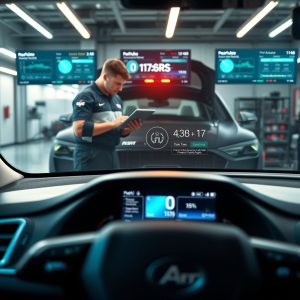
SDVs leverage over-the-air (OTA) updates to continuously improve and enhance their capabilities. This means that a vehicle can receive software updates remotely, similar to how smartphones receive app updates. This capability ensures that the vehicle remains up-to-date with the latest features, security patches, and performance improvements without the need for physical visits to a service center.
Solid State Batteries: The Next Generation of Energy Storage
While SDVs are redefining the software aspect of vehicles, solid state batteries are poised to revolutionize energy storage. Unlike traditional lithium-ion batteries, solid state batteries use a solid electrolyte instead of a liquid one. This fundamental difference offers several advantages, including higher energy density, faster charging times, and improved safety.
Advantages of Solid State Batteries
One of the most significant advantages of solid state batteries is their higher energy density. This means that they can store more energy in a smaller space, making them ideal for electric vehicles (EVs) where space and weight are critical factors. Additionally, solid state batteries can charge much faster than their lithium-ion counterparts, reducing the time it takes to recharge an EV.
Safety and Durability
Solid state batteries also offer enhanced safety features. The solid electrolyte is less prone to thermal runaway, a condition that can lead to battery fires. This makes solid state batteries a safer option for EVs, especially in high-performance and luxury vehicles where safety is paramount. Furthermore, solid state batteries have a longer lifespan, reducing the need for frequent battery replacements and contributing to a more sustainable and cost-effective solution.
Integration of SDVs and Solid State Batteries
The integration of SDVs and solid state batteries creates a powerful synergy that can transform the EV landscape. SDVs can optimize the performance of solid state batteries by using advanced software algorithms to manage energy consumption, charging cycles, and thermal management. This integration ensures that the vehicle operates at peak efficiency, maximizing range and performance while minimizing energy waste.
Enhancing the Driving Experience
This combination also enhances the overall driving experience. SDVs can use real-time data and predictive analytics to anticipate the driver’s needs and adjust the vehicle’s settings accordingly. For example, the vehicle can pre-condition the battery to optimize charging times or adjust the suspension based on road conditions. This level of personalization and adaptability creates a more intuitive and enjoyable driving experience.
Sustainable and Efficient Mobility
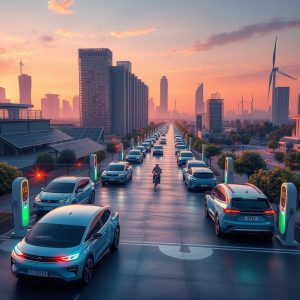
Moreover, the integration of SDVs and solid state batteries contributes to a more sustainable and efficient mobility ecosystem. SDVs can participate in vehicle-to-everything (V2X) communication, allowing them to interact with the grid, other vehicles, and infrastructure. This capability enables bidirectional charging, where the vehicle can both draw power from the grid and feed excess energy back into it. This not only stabilizes the grid but also creates a more resilient and sustainable energy ecosystem.
As the automotive industry continues to evolve, the convergence of software defined vehicles and solid state batteries will play a pivotal role in shaping the future of mobility. This integration promises to deliver vehicles that are not only more efficient and sustainable but also more intelligent and adaptive. The future of mobility is not just about getting from point A to point B; it’s about creating a seamless, intuitive, and sustainable driving experience that enhances the quality of life for all.