Shifting Gears: Unpacking the Innovations Redefining Automotive Mobility
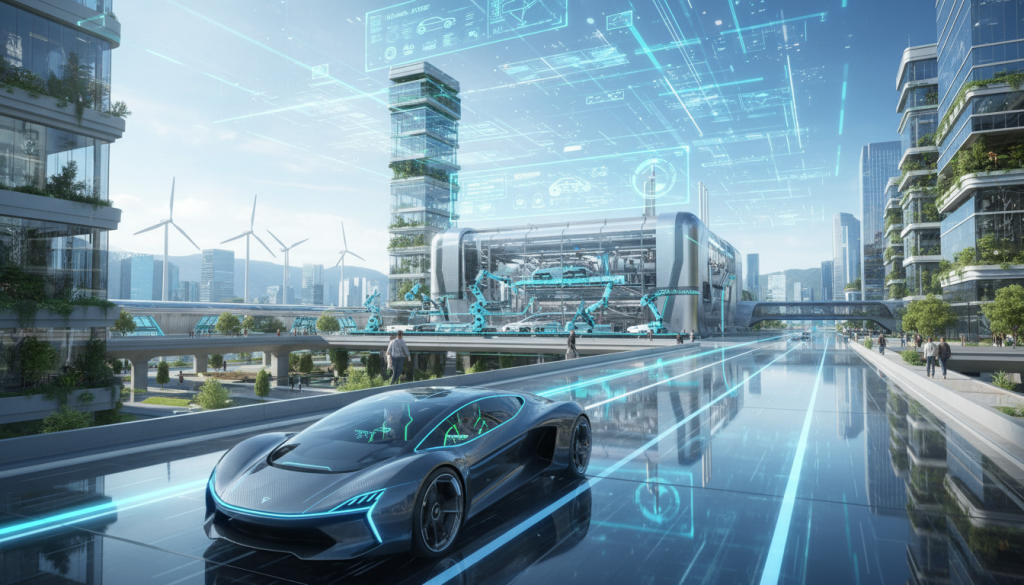
The automotive industry is in the midst of an unprecedented transformation, moving far beyond traditional manufacturing cycles. We are witnessing a monumental shift driven by technological advancements, sustainability mandates, and evolving consumer expectations. The surge in Electric Vehicle Sales, for instance, is not just a market trend but a foundational change reshaping everything from supply chains to infrastructure. This article delves into the critical innovations propelling us towards a future of smarter, cleaner, and more personalized mobility.
The Electrification Revolution: Powering a Sustainable Future
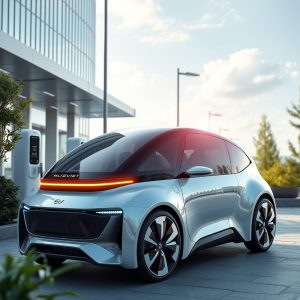
The transition to electric powertrains is accelerating, with significant advancements in energy storage. The promise of Solid State Batteries offers greater energy density, faster charging, and enhanced safety, poised to revolutionize EV range and performance. This push for efficiency is complemented by Regenerative Braking Technology, which captures energy typically lost during deceleration, extending vehicle range.
While EVs dominate headlines, broader Green Energy Ecosystems are evolving. We’re seeing renewed interest in Hydrogen Fuel Cells, offering rapid refueling and zero emissions, particularly for heavy-duty transport. This diversified approach to clean energy is critical for comprehensive decarbonization.
Furthermore, traditional engines are not disappearing overnight. Hybrid Powertrain Systems continue to play a vital role as a bridge technology, offering improved fuel efficiency and lower emissions compared to conventional gasoline vehicles, smoothing the transition for many consumers.
The Intelligent Ride: Software, Connectivity, and Autonomy
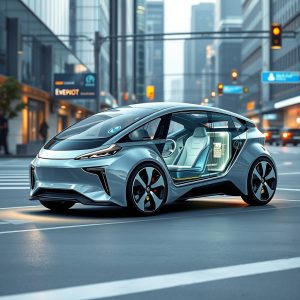
Today’s vehicles are increasingly complex, becoming powerful computers on wheels. The rise of Software Defined Vehicles (SDVs) means functionality and features are no longer solely hardware-dependent. Instead, they can be updated, customized, and enhanced through code, allowing continuous improvement and new revenue streams.
This software-centric approach is fundamental to advanced capabilities like Autonomous Driving Systems. While full autonomy is on the horizon, sophisticated Advanced Driver Assistance (ADAS) features already make roads safer, from adaptive cruise control to lane-keeping assistance. These systems rely heavily on real-time Connected Car Data, aggregating information from sensors, cloud services, and other vehicles.
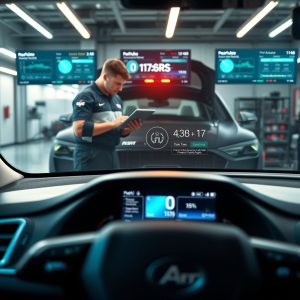
Maintaining the integrity and security of these intelligent systems is paramount. Vehicle Cybersecurity Compliance is a critical design imperative, protecting sensitive data and preventing malicious attacks. Crucially, Over The Air Updates (OTA) enable manufacturers to deploy software patches, new features, and security enhancements remotely, keeping vehicles current and secure. Adding another layer of intelligence, Biometric Driver Sensors enhance security, personalize settings, and monitor driver alertness, integrating the driver into the smart vehicle ecosystem.
Reinventing Production and Consumption: Efficiency and Personalization
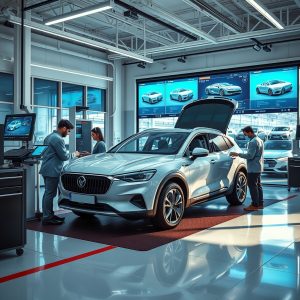
The transformation isn’t limited to the vehicle itself; it extends across the entire value chain. Smart Factory Automation is revolutionizing manufacturing processes, employing robotics, AI, and IoT to boost efficiency, reduce waste, and accelerate production. This digital transformation often leverages Digital Twin Fleets, creating virtual replicas of vehicles and production lines to simulate performance and optimize operations.
Sustainability also drives profound changes in how vehicles are made and used. Circular Economy Manufacturing emphasizes designing products for longevity, repairability, and recyclability, minimizing waste and resource consumption. This is supported by robust and ethical Sustainable Supply Chains, ensuring materials are sourced responsibly and processes are environmentally sound.
Consumer engagement is also being reimagined. Multi Channel Retailing offers seamless purchasing experiences across online platforms, dealerships, and virtual showrooms. Complementing this is Hyper Personalization AI, which uses data analytics to tailor product offerings, in-car experiences, and service recommendations. Finally, Mobility As A Service (MaaS) offers integrated, on-demand transportation solutions, prioritizing convenience and efficiency over individual car ownership.
The automotive landscape is undergoing a profound metamorphosis, driven by interconnected technological advancements and a global push for sustainability. From the electrification of powertrains to the intelligence embedded in every component, and the fundamental shifts in how vehicles are produced, sold, and consumed, the industry is charting a course towards an exciting, dynamic future. Embracing these innovations and understanding their synergistic impact will be essential for navigating the evolving demands of modern mobility and staying competitive in this rapidly accelerating era.