
The Invisible Architects: How Predictive Maintenance AI and Modular EV Platforms Are Building the Mobility of Tomorrow
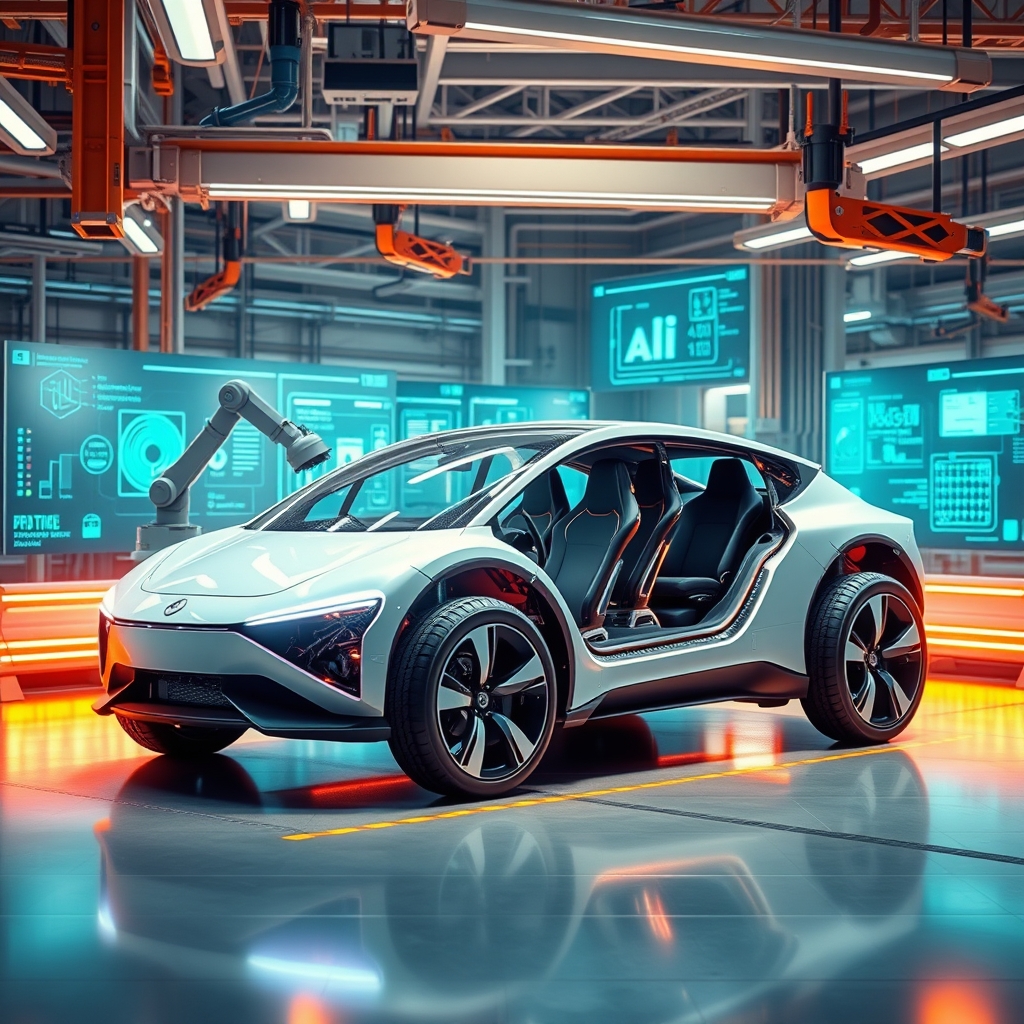
The automotive industry is undergoing a seismic shift, one where the lines between hardware and software blur, and vehicles evolve from static machines into dynamic, learning entities. At the heart of this transformation lies a duo of innovations—predictive maintenance AI and modular EV platforms—that are quietly redefining what it means to move. Together, they form the invisible architects of a new mobility paradigm, one that prioritizes efficiency, sustainability, and intelligence without sacrificing the thrill of the journey.
The Rise of the Self-Aware Vehicle
Imagine a car that doesn’t just respond to your commands but anticipates your needs before you even articulate them. Predictive maintenance AI is making this a reality by leveraging machine learning, real-time data, and advanced sensors to monitor a vehicle’s health with unprecedented precision. Unlike traditional maintenance schedules, which rely on fixed intervals or reactive repairs, predictive AI analyzes patterns in everything from battery degradation to brake wear, identifying potential issues before they escalate into costly failures.
This technology doesn’t just save time and money; it redefines the relationship between driver and vehicle. By integrating with in-cabin intelligence systems, predictive AI can alert drivers to upcoming maintenance needs, suggest optimal routes to avoid strain on critical components, or even adjust performance settings to extend the lifespan of the powertrain. The result is a vehicle that doesn’t just serve its owner but collaborates with them, creating a symbiotic bond that enhances both reliability and driving pleasure.
The Data-Driven Lifeline
At the core of predictive maintenance AI is data—vast amounts of it. Modern EVs are equipped with hundreds of sensors that track everything from tire pressure to motor temperature, generating terabytes of information with every mile driven. AI algorithms sift through this data, comparing it against historical trends and manufacturer benchmarks to detect anomalies that might indicate impending failures. For example, subtle vibrations in a wheel bearing or a gradual decline in battery efficiency can trigger alerts long before a human mechanic would notice the issue.
This level of foresight is particularly critical for fleets and commercial vehicles, where downtime translates directly into lost revenue. Companies like Tesla, Rivian, and traditional automakers are already deploying AI-driven diagnostics to minimize disruptions, ensuring that vehicles spend more time on the road and less time in the shop. As 5G and edge computing become more widespread, the speed and accuracy of these predictions will only improve, making breakdowns a relic of the past.
The Modular Revolution: A Platform for Every Purpose
While predictive AI ensures that vehicles remain in peak condition, modular EV platforms are redefining how they’re built in the first place. Gone are the days when a car’s design was constrained by rigid, model-specific architectures. Today, modular platforms—such as Volkswagen’s MEB, Hyundai’s E-GMP, and GM’s Ultium—allow manufacturers to create a diverse range of vehicles from a single, adaptable foundation. This approach isn’t just about cost savings; it’s about unlocking unprecedented flexibility in design, performance, and sustainability.
From Sedans to Skateboards: The Power of Adaptability
Modular platforms function like automotive LEGO sets, where a common battery pack, motor, and chassis can be reconfigured to accommodate everything from compact city cars to long-range SUVs. This adaptability extends beyond aesthetics. By standardizing core components, manufacturers can rapidly iterate on new models, incorporating the latest advancements in battery technology, aerodynamics, or in-cabin intelligence without starting from scratch each time. For consumers, this means faster access to cutting-edge features and a wider variety of options tailored to their specific needs.
Sustainability is another key benefit. Modular platforms enable a circular material economy by making it easier to disassemble, repair, and recycle vehicles at the end of their lifecycle. Components like battery packs or motors can be refurbished and reused in new models, reducing waste and lowering the environmental footprint of manufacturing. This approach aligns perfectly with the growing demand for transparency and responsibility in the automotive supply chain, where every material and process is scrutinized for its ecological impact.
The Synergy of Intelligence and Adaptability
When predictive maintenance AI and modular platforms converge, they create a feedback loop that accelerates innovation. Data collected from vehicles in the field informs the design of future modules, ensuring that each iteration is more efficient, durable, and intelligent than the last. For instance, if AI detects that a particular motor configuration is prone to overheating in hot climates, engineers can tweak the design of the next modular platform to address the issue before it becomes a widespread problem. This iterative process turns every vehicle into a testbed for improvement, driving continuous evolution in the industry.
Redefining Ownership and Mobility
The implications of this synergy extend beyond individual vehicles. As predictive AI and modular platforms become more sophisticated, they pave the way for new models of ownership and mobility. Subscription services, for example, could leverage modular platforms to offer customers a rotating selection of vehicles tailored to their changing needs—whether it’s a compact EV for city commuting or a rugged off-roader for weekend adventures. Predictive maintenance ensures that these vehicles are always ready for use, minimizing downtime and maximizing convenience.
For urban environments, this combination could revolutionize shared mobility. Fleets of modular EVs, monitored by AI, could dynamically adjust their configurations based on demand—swapping out battery packs for extended range during peak hours or reconfiguring interiors for cargo transport. The result is a more efficient, responsive, and sustainable transportation ecosystem that adapts to the rhythms of city life.
The road ahead is not just about getting from point A to point B; it’s about reimagining what it means to move through the world. Predictive maintenance AI and modular EV platforms are the invisible forces shaping this future, turning vehicles into intelligent, adaptable companions that evolve alongside their owners. As these technologies mature, they will blur the lines between transportation and technology, between man and machine, creating a mobility experience that is as seamless as it is exhilarating. The journey has only just begun, and the destination is limited only by our imagination.