The Pulse of Tomorrow: How 800 Volt Architecture and Bidirectional Charging Are Electrifying the Road Ahead
The automotive industry is undergoing a seismic shift, where the lines between power, intelligence, and sustainability blur into a single, cohesive vision. At the heart of this transformation lies a technological leap that is redefining what it means to drive electric: the 800 volt architecture. This isn’t just an incremental upgrade—it’s a fundamental reimagining of how energy flows through a vehicle, unlocking possibilities that were once confined to the realm of science fiction.
The Voltage Revolution: Why 800 Volts Matter
For decades, electric vehicles (EVs) operated on 400 volt systems, a standard that served its purpose but came with inherent limitations. Charging times were sluggish, thermal management was a constant challenge, and efficiency losses were an accepted trade-off. The introduction of 800 volt architecture changes the game entirely. By doubling the voltage, EVs can now charge at unprecedented speeds, with some models achieving an 80% charge in under 20 minutes. This isn’t just about convenience—it’s about making electric mobility viable for long-distance travel, commercial fleets, and even high-performance applications where downtime is not an option.
But the benefits extend beyond charging. Higher voltage systems reduce current draw, which in turn minimizes heat generation and energy loss. This translates to lighter wiring, more compact battery packs, and improved overall efficiency. The result? Vehicles that are not only faster to charge but also more energy-efficient over long distances, addressing two of the most persistent criticisms of EVs: range anxiety and charging infrastructure gaps.
Bidirectional Charging: Turning Vehicles into Power Hubs
If 800 volt architecture is the backbone of next-gen EVs, bidirectional charging is the nervous system—enabling a two-way flow of energy that transforms vehicles from mere consumers into dynamic participants in the energy ecosystem. Imagine your car not just drawing power from the grid but feeding it back when demand peaks, or powering your home during an outage. This isn’t a distant dream; it’s a reality that’s already being tested in pilot programs around the world.
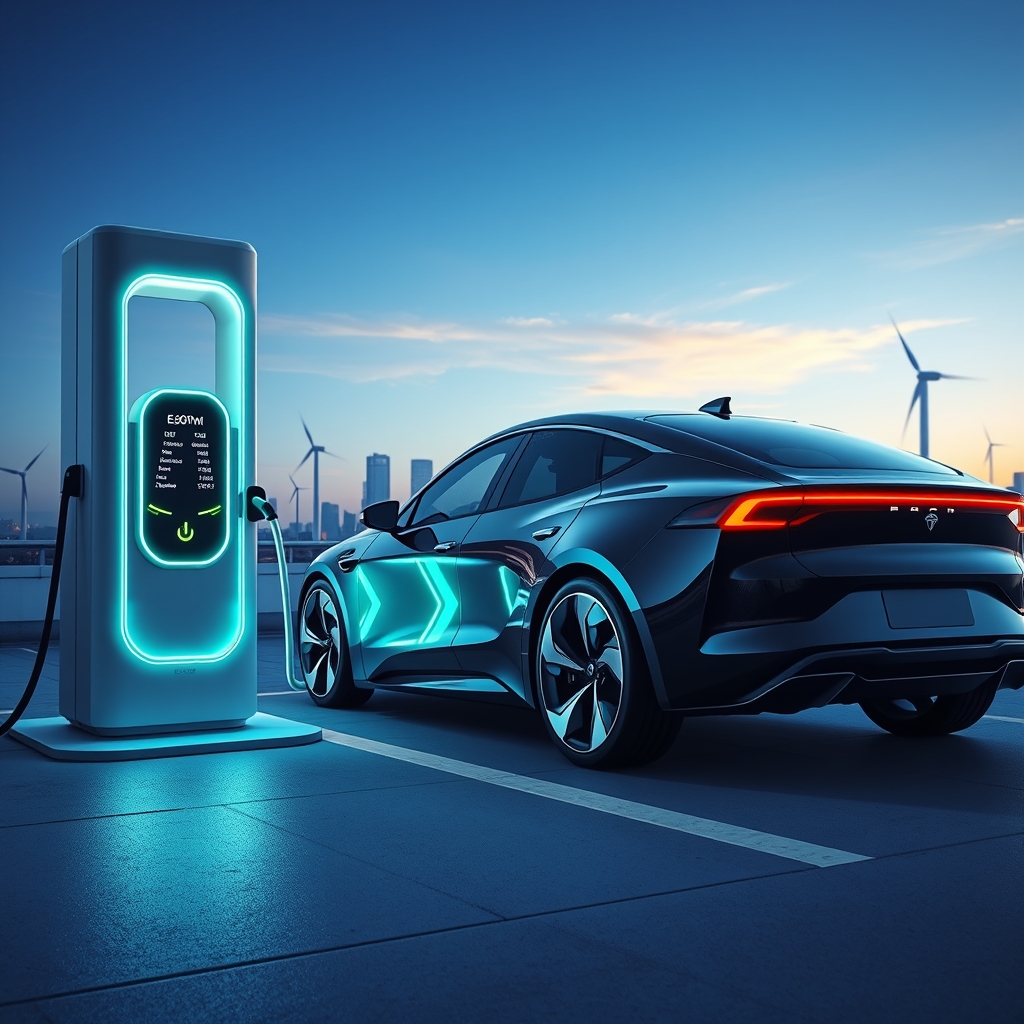
Bidirectional charging, often referred to as vehicle-to-grid (V2G) or vehicle-to-home (V2H) technology, leverages the high-capacity batteries in EVs to stabilize energy grids, reduce strain during peak hours, and even generate revenue for vehicle owners. In regions with renewable energy sources like solar or wind, EVs equipped with bidirectional charging can store excess energy and release it when production dips, smoothing out the intermittency that has long plagued green power. This creates a symbiotic relationship between transportation and energy infrastructure, where cars become mobile energy storage units that contribute to a more resilient and sustainable grid.
The Ripple Effect: Smart Cities and Beyond
The implications of bidirectional charging extend far beyond individual vehicles. As urban centers grapple with growing energy demands and the need to reduce carbon footprints, EVs equipped with this technology can serve as decentralized power sources, reducing the need for costly grid upgrades. In smart cities of the future, fleets of electric buses, delivery vans, and even private cars could form a dynamic energy network, responding in real-time to fluctuations in demand. This not only enhances grid stability but also accelerates the transition to renewable energy by providing a flexible storage solution.
Moreover, bidirectional charging enables new business models. Energy companies could offer incentives for EV owners to participate in demand-response programs, where vehicles automatically discharge power during peak hours in exchange for credits or reduced electricity rates. This turns EVs into assets rather than liabilities, creating a financial incentive for adoption while simultaneously supporting grid reliability.
Synergy with Other Innovations
The true power of 800 volt architecture and bidirectional charging lies in their ability to integrate seamlessly with other cutting-edge technologies. For instance, ultra-fast charging stations, powered by liquid hydrogen or advanced solid-state batteries, can further reduce charging times, making EVs even more practical for long-haul travel. Meanwhile, predictive maintenance AI can monitor the health of high-voltage systems, ensuring optimal performance and longevity while minimizing downtime.
In the realm of software-defined vehicles, 800 volt systems provide the raw power needed to support advanced in-cabin intelligence, from augmented reality dashboards to AI-driven infotainment systems. The higher voltage enables more sophisticated computing without compromising efficiency, paving the way for vehicles that are not just modes of transport but rolling data centers. Similarly, modular EV platforms can be designed to accommodate 800 volt architecture from the ground up, allowing manufacturers to scale production across different vehicle types—from compact city cars to heavy-duty trucks—without sacrificing performance.
The Sustainable Edge
Beyond performance and convenience, these technologies also play a crucial role in sustainability. By reducing energy loss and improving efficiency, 800 volt systems help maximize the environmental benefits of EVs. Bidirectional charging, meanwhile, accelerates the adoption of renewable energy by providing a scalable storage solution, reducing reliance on fossil fuel-based peaker plants that are often fired up during periods of high demand.
Additionally, the shift toward higher voltage systems aligns with the broader push toward a circular material economy. Lighter, more efficient components reduce the need for raw materials, while the modularity of 800 volt platforms makes it easier to refurbish and recycle vehicle parts. This creates a closed-loop system where the environmental impact of manufacturing is minimized, and the lifecycle of each vehicle is extended.
As we stand on the precipice of this new era, it’s clear that the future of mobility isn’t just about replacing the internal combustion engine with batteries. It’s about rethinking the entire ecosystem—how energy is generated, stored, and distributed; how vehicles interact with infrastructure and each other; and how technology can be harnessed to create a more sustainable, efficient, and intelligent world. The road ahead is electrified, not just by volts, but by the limitless potential of innovation, where every mile driven is a step toward a smarter, cleaner future.