The Invisible Fusion: How Software Defined Vehicles and Solid State Batteries Are Crafting the Self-Optimizing Electric Vehicle of Tomorrow
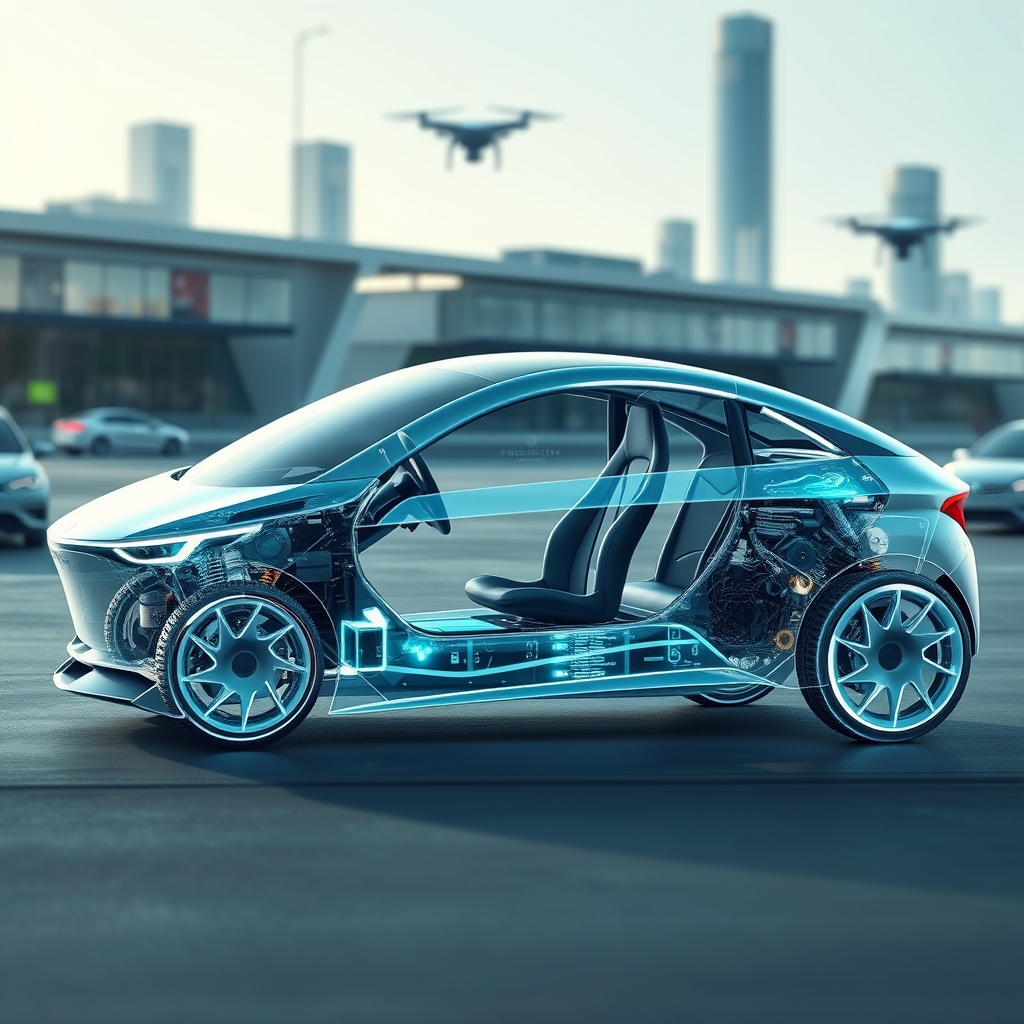
In the realm of automotive innovation, the convergence of Software Defined Vehicles (SDVs) and Solid State Batteries (SSBs) is poised to redefine the future of electric mobility. This invisible fusion is not merely about technological integration; it’s about crafting a self-optimizing electric vehicle that adapts to its environment, user preferences, and operational needs in real-time.
The Software Defined Vehicle: The Brain of the Automotive Revolution
Software Defined Vehicles are at the heart of this revolution. SDVs are vehicles whose software can be updated over-the-air, allowing for continuous improvement and customization. This means that the vehicle’s behavior, from its driving dynamics to its infotainment system, can be tailored to individual preferences and updated to address new challenges or opportunities. The SDV acts as a digital twin, constantly learning and evolving to provide an optimal user experience.
Over-the-Air Updates: The Lifeblood of SDVs
One of the most significant advantages of SDVs is the ability to receive over-the-air updates. These updates can range from minor software patches to major feature upgrades. For instance, an SDV could receive an update that improves its autonomous driving capabilities, enhances its energy management system, or introduces new user interface features. This level of flexibility and adaptability is a game-changer in the automotive industry.
Predictive Maintenance: The Proactive Approach to Vehicle Care
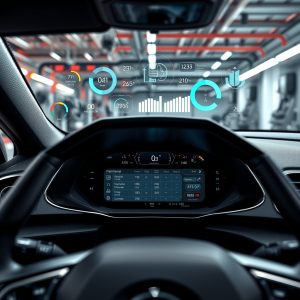
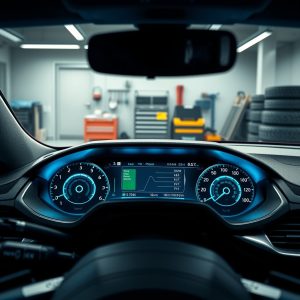
SDVs also incorporate predictive maintenance, a proactive approach to vehicle care that leverages data analytics to predict when a vehicle component is likely to fail. By continuously monitoring the vehicle’s performance and environment, SDVs can alert users to potential issues before they become major problems. This not only enhances the vehicle’s reliability but also reduces the need for costly and time-consuming repairs.
The Solid State Battery: The Powerhouse of the Future
Solid State Batteries are another cornerstone of the self-optimizing electric vehicle. SSBs offer several advantages over traditional lithium-ion batteries, including higher energy density, faster charging times, and increased safety. These batteries are also more resilient to extreme temperatures, making them ideal for a wide range of operating conditions.
Energy Density: The Key to Longer Ranges
The energy density of SSBs is a significant advantage. This means that SSBs can store more energy in a smaller space, allowing for longer driving ranges without increasing the size or weight of the vehicle. This is particularly beneficial for electric vehicles, where range anxiety is a common concern. With SSBs, drivers can travel further on a single charge, making electric vehicles a more practical and appealing option.
Fast Charging: The Solution to Range Anxiety
SSBs also enable faster charging times. Traditional lithium-ion batteries can take several hours to fully charge, which can be a significant inconvenience. SSBs, on the other hand, can be charged in a matter of minutes, thanks to their high power density. This not only enhances the user experience but also makes electric vehicles more viable for everyday use.
The Invisible Fusion: SDVs and SSBs Working in Harmony
When SDVs and SSBs work together, they create a powerful synergy that enhances the overall performance and efficiency of the electric vehicle. The SDV’s software can optimize the vehicle’s energy usage, ensuring that the SSB is used in the most efficient way possible. For instance, the SDV can adjust the vehicle’s driving dynamics to minimize energy consumption, or it can prioritize the charging of the SSB when the vehicle is connected to a power source.
Real-Time Energy Management: The Art of the Possible
One of the most exciting aspects of this invisible fusion is the potential for real-time energy management. The SDV can continuously monitor the vehicle’s energy usage and adjust its behavior accordingly. For instance, if the SSB is running low on charge, the SDV can reduce the vehicle’s speed or adjust its route to conserve energy. This level of real-time energy management is a significant step towards the goal of autonomous, self-optimizing electric vehicles.
Predictive Charging: The Future of Energy Management
Another exciting development is the concept of predictive charging. By leveraging data analytics and machine learning, the SDV can predict when the vehicle will need to be charged and adjust its behavior accordingly. For instance, if the SDV predicts that the vehicle will need to be charged in the next hour, it can adjust its route to find the nearest charging station. This level of predictive charging is a significant step towards the goal of seamless, effortless mobility.
The invisible fusion of Software Defined Vehicles and Solid State Batteries is poised to redefine the future of electric mobility. By combining the flexibility and adaptability of SDVs with the power and efficiency of SSBs, we are on the cusp of a new era of automotive innovation. This invisible fusion is not just about technological integration; it’s about crafting a self-optimizing electric vehicle that adapts to its environment, user preferences, and operational needs in real-time. As we continue to push the boundaries of what is possible, the future of electric mobility is looking brighter than ever.