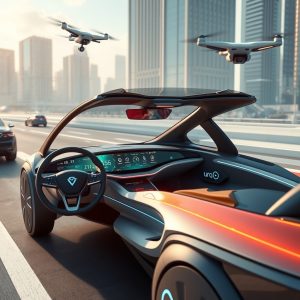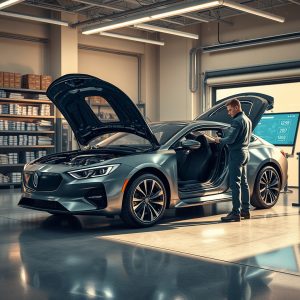
The Invisible Fusion: How 800 Volt Architecture and Predictive Maintenance AI Are Crafting the Self-Healing Electric Vehicle
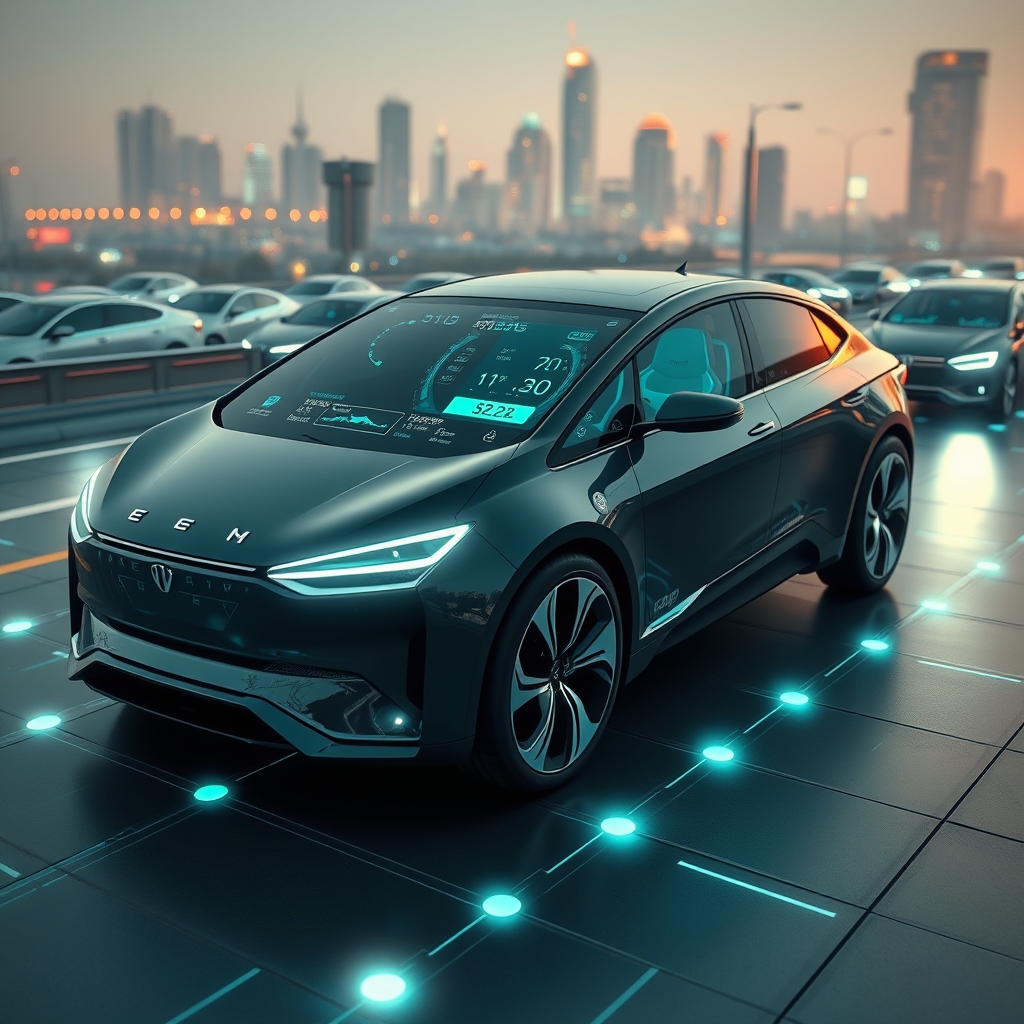
The automotive industry is on the cusp of a revolution, one that promises to redefine the very essence of mobility. At the heart of this transformation lies the fusion of two groundbreaking technologies: 800 Volt Architecture and Predictive Maintenance AI. Together, they are crafting the self-healing electric vehicle of the future.
The 800 Volt Architecture: The Powerhouse of the Future
The 800 Volt Architecture is a game-changer in the world of electric vehicles (EVs). It’s a high-voltage platform that allows for more efficient energy storage and usage. This means that EVs equipped with this architecture can travel longer distances on a single charge, and their batteries can be charged more quickly and efficiently.
But the benefits of the 800 Volt Architecture go beyond just range and charging times. It also enables the integration of advanced technologies, such as Predictive Maintenance AI, which can further enhance the performance and longevity of the vehicle.
Predictive Maintenance AI: The Brain of the Vehicle
Predictive Maintenance AI is a cutting-edge technology that uses data analytics and machine learning to predict when a vehicle’s components are likely to fail. By monitoring the vehicle’s performance in real-time, Predictive Maintenance AI can identify potential issues before they become major problems.
This technology is particularly beneficial for EVs, which have a high number of electronic components that can be prone to failure. By predicting and preventing these failures, Predictive Maintenance AI can significantly extend the lifespan of the vehicle and reduce the need for costly repairs.
The Synergy Between 800 Volt Architecture and Predictive Maintenance AI
The true power of the self-healing electric vehicle lies in the synergy between 800 Volt Architecture and Predictive Maintenance AI. The high-voltage platform provides the necessary infrastructure for the AI to operate, while the AI, in turn, optimizes the performance of the platform.
For instance, Predictive Maintenance AI can monitor the health of the battery, which is a critical component of the 800 Volt Architecture. If the AI detects that a particular cell in the battery is about to fail, it can alert the driver and suggest a course of action. This could range from simply reducing the vehicle’s power output to avoid further damage, to scheduling a visit to the dealership for a replacement.
The Future of Mobility
The fusion of 800 Volt Architecture and Predictive Maintenance AI is not just about creating a more reliable and efficient vehicle. It’s about creating a new paradigm in mobility. A paradigm where vehicles are not just a means of transportation, but a part of a larger, interconnected system.
In this system, vehicles can communicate with each other and with their environment, sharing data and coordinating their actions. This could lead to a significant reduction in traffic congestion, an increase in safety, and a more efficient use of resources.
As we stand on the brink of this new era, it’s clear that the self-healing electric vehicle is more than just a futuristic concept. It’s a tangible reality, and it’s here to stay. The fusion of 800 Volt Architecture and Predictive Maintenance AI is not just crafting the vehicle of the future. It’s crafting the very essence of mobility itself.