The Symphony of Innovation: Building the Sustainable and Intelligent Mobility Ecosystem
The automotive industry stands at the precipice of its most profound transformation yet, moving far beyond mere electrification. Today’s advancements are orchestrating a symphony of innovations that weave together sustainable energy, advanced materials, and unparalleled intelligence to redefine how we move. This isn’t just about swapping a combustion engine for an electric motor; it’s about reimagining the entire lifecycle of a vehicle, from its raw materials to its end-of-life, and its dynamic role within a broader smart ecosystem.
Powering the Journey: Beyond the Lithium-Ion
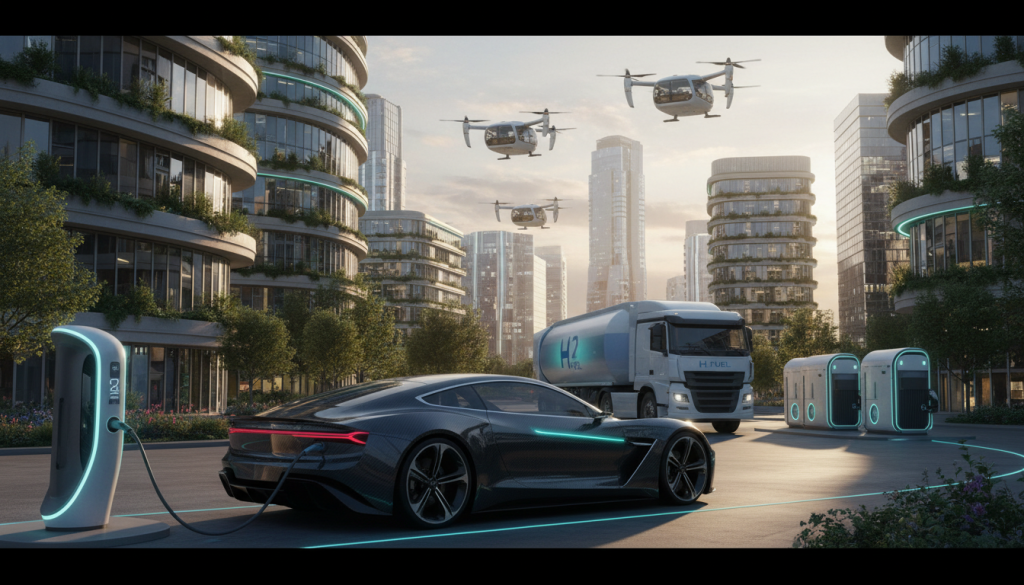
While lithium-ion batteries have spearheaded the EV revolution, the quest for even greater energy density, faster charging, and enhanced safety continues. Enter Solid State Batteries, promising a leap forward with their non-flammable solid electrolytes, higher energy storage capacity, and significantly reduced charging times. This technology could unlock extended ranges and a more compact battery footprint, fundamentally changing EV design and performance. However, batteries aren’t the sole answer for every mobility challenge. For long-haul transport, heavy-duty vehicles, and even nascent Urban Air Mobility solutions, Hydrogen Fuel Cells combined with efficient Liquid Hydrogen Storage present a compelling alternative. These systems offer rapid refueling and zero tailpipe emissions, making them ideal for applications where battery weight and charging infrastructure remain significant hurdles. Complementing these energy solutions, the widespread adoption of Ultra Fast Charging infrastructure is crucial, ensuring that the convenience of refueling matches, or even surpasses, traditional gasoline stations, thereby alleviating range anxiety and accelerating EV adoption. Furthermore, advanced energy recovery systems like the Regenerative Braking System significantly boost efficiency by converting kinetic energy back into electricity, extending range.
Crafting the Vehicle: Materials and Design for a Circular Future
The vehicle’s physical form is undergoing a radical metamorphosis, driven by a commitment to efficiency and sustainability. Lightweighting is paramount, and the strategic use of materials like Carbon Fiber Chassis components significantly reduces vehicle mass, directly translating into improved energy efficiency and extended range, whether powered by battery or hydrogen. Beyond weight, design principles are embracing Aerodynamic Efficiency more than ever, with sleek lines and active aero elements reducing drag and minimizing energy consumption at speed. This focus extends to the interior, where innovations like Bio Synthetic Leather offer luxurious, durable, and animal-free alternatives, reducing environmental impact without compromising aesthetics or comfort. The entire manufacturing paradigm is shifting towards a Circular Material Economy, emphasizing recycling, reuse, and remanufacturing to minimize waste and reliance on virgin resources. This necessitates robust Sustainable Supply Chains that ensure ethical sourcing and transparency, tracking materials from extraction to end-of-life. Furthermore, Modular EV Platforms are emerging as a game-changer, allowing for greater design flexibility, easier repairs, and the potential for component upgrades, extending the vehicle’s lifespan and reducing overall waste.
The Intelligent Core: Seamless Experience and Sustainable Operations
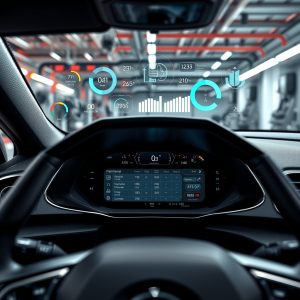
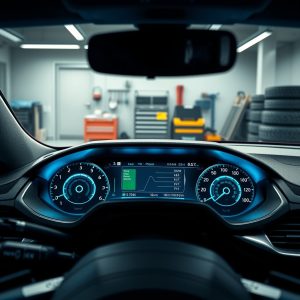
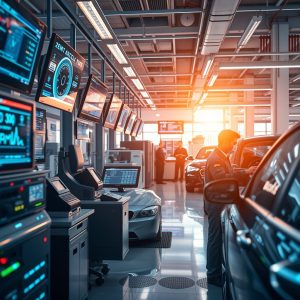
The future vehicle is a highly intelligent, connected entity, seamlessly integrated into our digital lives and urban infrastructure, paving the way for advanced Autonomous Driving capabilities. In Cabin Intelligence transforms the driving experience, offering personalized environments, advanced voice control, gesture recognition, and augmented reality displays, all tailored to individual preferences and safety. Imagine a Smart Glass Roof that automatically adjusts transparency based on sunlight, enhancing comfort and energy efficiency. Beyond the cabin, the vehicle’s intelligence extends to its operational lifespan. Predictive Maintenance AI analyzes real-time data from countless sensors to anticipate and prevent potential failures, optimizing vehicle uptime, reducing repair costs, and extending the lifespan of critical components. This proactive approach significantly contributes to a more sustainable fleet by minimizing resource consumption associated with unexpected breakdowns and part replacements. Crucially, these intelligent vehicles are not isolated islands; they are active participants in a larger energy network through Vehicle To Everything (V2X) communication. This technology enables vehicles to communicate with each other, traffic infrastructure, and the grid, enhancing safety, optimizing traffic flow, and facilitating Bidirectional Charging. With bidirectional charging, EVs can not only draw power from the grid but also feed excess energy back, transforming them into mobile energy storage units that stabilize the grid during peak demand or power homes during outages, truly embodying a symbiotic relationship between mobility and energy infrastructure.
The convergence of these groundbreaking technologies paints a picture of a future where mobility is not just cleaner, but smarter, more efficient, and deeply integrated into the fabric of our sustainable cities. From the whisper-quiet hum of an electric powertrain fueled by solid-state advancements or hydrogen, to the seamless intelligence that anticipates our needs and connects us to the world, every element is meticulously designed to contribute to a more harmonious existence. This holistic approach ensures that the vehicles of tomorrow are not merely modes of transport, but active contributors to a resilient, resource-efficient, and human-centric future, where every journey is a step towards a better world.