MG4 Reliability: Only Tesla Model Y Did Worse In German Study
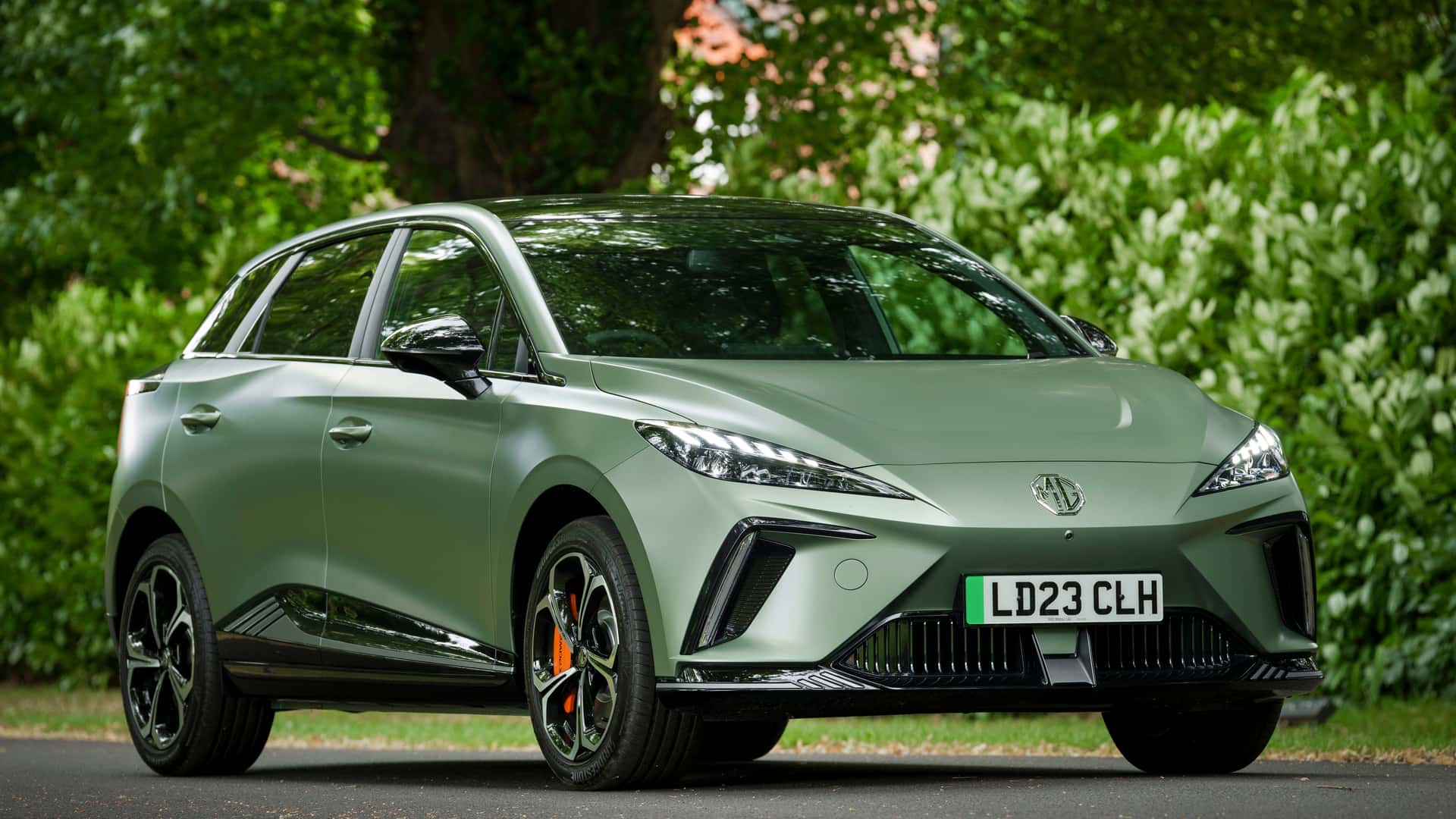
The MG4 has been one of Europe’s most talked-about affordable EVs since it arrived. Still, its first appearance in Germany’s most closely watched reliability study won’t make the marketing brochure. In the latest TÜV Report, the little electric hatchback from SAIC-owned MG finished 108th out of 109 models in the 2- to 3-year-old category.
The results were analyzed by ADAC, Germany’s largest automobile club, whose full name is Allgemeiner Deutscher Automobil-Club, or “General German Automobile Club.” The report is based on roughly 9.7 million mandatory inspections (known as the HU in Germany) carried out between July 2025 and June 2026. It covers 200 models, 26 of them fully electric. The MG4 was one of them, and it failed with “significant” or “dangerous” defects 16 percent of the time.
According to ADAC, which summarized the findings, the MG4’s weak spot is its brake discs. That’s a familiar problem for EVs. Regenerative braking means the friction brakes do less of the work so that the discs can corrode from underuse. Add the extra weight of a battery pack, and brakes and suspension become common trouble spots for electric cars at inspection time. Lighting defects are also frequent, according to ADAC.
EVs Aren’t The Problem, Some EVs Are
But ADAC also points out that the big gaps between models show it isn’t just about the powertrain. How the components are designed and how long they last clearly matters.
The ill-fated Mazda MX-30 is the best electric car in the study, with a defect rate of just three percent, which was good for third place overall. The now-discontinued Audi Q8 e-tron (3.2 percent), Mini Cooper SE (3.3 percent), and Mercedes EQA (3.5 percent) also did well. Four EVs made the top ten.
That makes the MG4’s 16 percent more than five times worse than the MX-30. The overall leader in the 2- to 3-year-old class, by the way, was the Mazda CX-60 at 2.3 percent.

Tesla Keeps The Wooden Spoon
The MG4 isn’t alone at the bottom. The Tesla Model 3 is just ahead of it in 107th place with 12.5 percent, and the Model Y is dead last for the second year in a row at 18.5 percent. In other words, the three worst cars in this age class are all electric.
There’s an important caveat for the Teslas, though. The company doesn’t prescribe service intervals, so problems a dealer might catch during routine maintenance often surface for the first time at the inspection. ADAC notes that owners may have saved on service costs, but cars that fail the HU must be fixed and presented again, which skews the numbers. Nothing in the report suggests the same explanation applies to the MG4.
Across all cars, 20.9 percent failed, a slight improvement of 0.6 points over the previous year. TÜV says that’s not a real turnaround. Germany’s fleet keeps getting older, with the average car now 10.9 years old, up from nine in 2015. More than one in four is at least 15 years old, and the failure rate climbs with age: 10.2 percent for four- to five-year-olds, and 38.7 percent for 20- to 21-year-olds.
What It Means For MG
For a brand that has built its European pitch on value, this is an awkward debut. A low sticker price loses some of its appeal when an owner is staring at a brake repair bill at the first inspection. It’s also worth remembering the study counts defects found during inspections, not breakdowns, so it isn’t a direct measure of how often these cars leave people stranded.
Winners And Losers
The report breaks results down by vehicle age, so here’s a look at which models had the lowest and highest defect rates in each class:
The Winners
- 2-3 years: Mazda CX-60 (2.3% defect rate)
- 4-5 years: Audi Q8 e-tron (3.3%)
- 6-7 years: VW T-Roc (6.1%)
- 8-9 years: VW T-Roc (9.4%)
- 10-11 years: Mercedes GLA and VW Golf Sportsvan (13.5%)
- 12-13 years: Mercedes GLE/ML (17.2%)
The Losers
- 2-3 years: Tesla Model Y (18.5%)
- 4-5 years: BMW 1 Series/2 Series (21.8%)
- 6-7 years: Tesla Model 3 (27.9%)
- 8-9 years: Dacia Duster (28.3%)
- 10-11 years: Dacia Sandero (32.2%)
- 12-13 years: Nissan Qashqai (35.5%).