The Road Ahead: Navigating the Future of Automotive Technology
The automotive industry is in the midst of its most profound transformation since the invention of the internal combustion engine. What was once a sector defined by mechanical prowess and horsepower is rapidly evolving into a dynamic ecosystem driven by software, connectivity, and artificial intelligence. This shift isn’t merely about electrifying vehicles; it’s about redefining the very essence of mobility, making it safer, more efficient, and deeply integrated into our digital lives.
The Era of Software Defined Vehicles
At the heart of this revolution lies the concept of the Software Defined Vehicle (SDV). No longer just hardware on wheels, modern cars are becoming sophisticated computing platforms, capable of over-the-air (OTA) updates that can enhance performance, introduce new features, and even fix issues without a trip to the dealership. This paradigm shift means that a car purchased today can evolve and improve over its lifetime, much like a smartphone. From personalized driving modes to advanced infotainment systems, software is the new differentiator, enabling unprecedented levels of customization and responsiveness. It’s the operating system for our future journeys, orchestrating everything from powertrain management to the user interface.
Unlocking Seamless Connectivity with Vehicle-to-Everything (V2X)
The intelligence of SDVs extends far beyond their internal systems, reaching out to their surroundings through Vehicle-to-Everything (V2X) communication. This groundbreaking technology allows vehicles to communicate with other vehicles (V2V), infrastructure (V2I), pedestrians (V2P), and even the grid (V2G, tying into bidirectional charging concepts). Imagine a world where your car receives real-time information about traffic jams ahead, alerts from emergency vehicles around a blind corner, or optimizes its speed to hit every green light. V2X is a critical enabler for true autonomous driving, fostering a cooperative environment on the roads that promises to dramatically reduce accidents and alleviate congestion. It transforms individual vehicles into nodes within a larger, intelligent transportation network, enhancing both safety and efficiency for everyone.
The Path to Autonomous Driving
With robust software platforms and pervasive connectivity, the vision of autonomous driving moves closer to reality. Level 2 and 3 systems are already common, offering advanced driver assistance, but the ultimate goal of fully self-driving vehicles (Level 4 and 5) is being meticulously pursued. These vehicles rely on an intricate blend of sensors, high-definition mapping, and powerful AI algorithms to perceive their environment, predict potential hazards, and make decisions in real-time. The journey to full autonomy is complex, requiring not only technological breakthroughs but also societal acceptance and regulatory frameworks. However, the potential benefits—from increased accessibility for non-drivers to reclaiming hours lost to commuting—are immense, promising a fundamental shift in how we interact with transportation.
Powering Tomorrow’s Mobility: 800 Volt Architecture and Ultra-Fast Charging
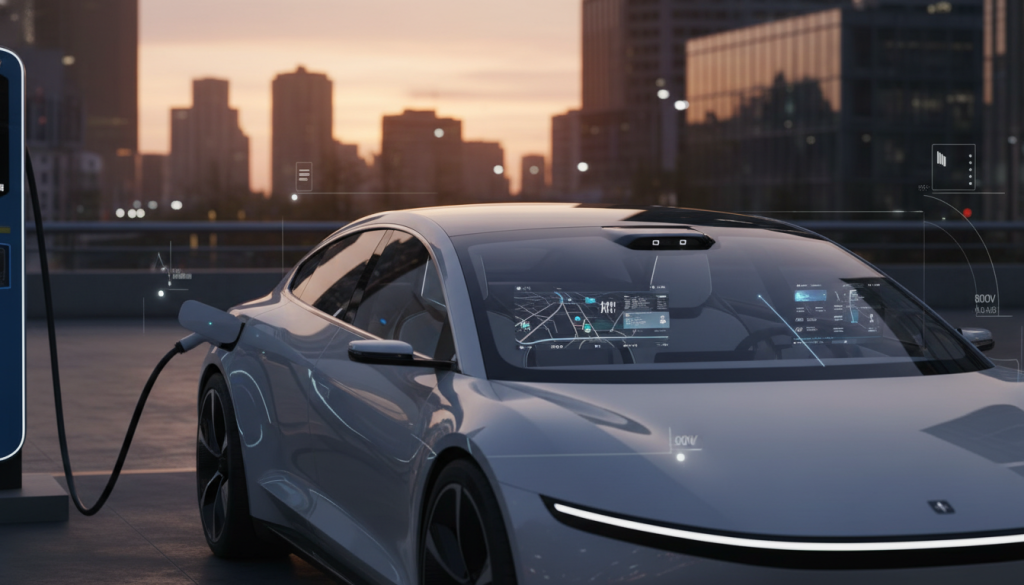
While software and autonomy capture headlines, the underlying electrical architecture is undergoing its own revolution. The adoption of 800 Volt architecture in electric vehicles is a game-changer for performance and convenience. This higher voltage system allows for significantly faster charging speeds, drastically reducing the time spent tethered to a charging station. What once took hours can now be achieved in minutes, bringing the refueling experience closer to that of traditional gasoline cars. Furthermore, 800V systems enable more efficient power delivery to electric motors, leading to improved performance, reduced heat generation, and often lighter cabling, contributing to overall vehicle efficiency. This advancement, coupled with a growing network of ultra-fast charging stations, is dismantling one of the primary barriers to widespread EV adoption: range anxiety and charging times.
Modular EV Platforms and Predictive Maintenance AI
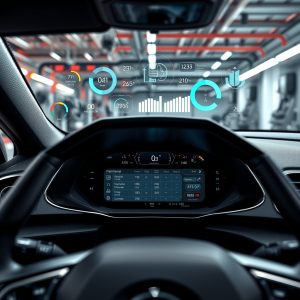
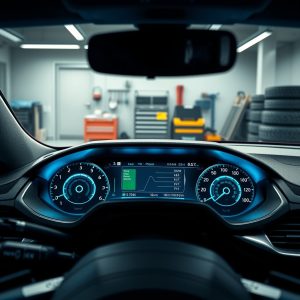
The foundational design of electric vehicles is also evolving with modular EV platforms. These flexible architectures allow manufacturers to build a diverse range of vehicles—from compact urban commuters to spacious SUVs—using a common underlying structure. This approach streamlines production, reduces development costs, and accelerates the introduction of new models. Complementing this physical innovation is the rise of Predictive Maintenance AI. By continuously monitoring vehicle components and operational data, AI can anticipate potential failures before they occur, scheduling proactive maintenance rather than reactive repairs. This not only enhances reliability and safety but also extends the lifespan of critical components, reducing waste and contributing to a more sustainable lifecycle for the vehicle.
As these interconnected technologies mature, the car transforms from a mere mode of transport into a personalized, intelligent, and proactive partner in our daily lives. From the moment we step inside, In Cabin Intelligence systems learn our preferences, adjust settings, and offer contextual assistance, making every journey more comfortable and engaging. The blend of autonomous capabilities, seamless connectivity, rapid charging, and intelligent maintenance is crafting a future where mobility is not just about getting from A to B, but about an enriched, effortless, and environmentally conscious experience that truly integrates with the fabric of our modern existence, constantly evolving to meet our needs and anticipate our desires. This holistic transformation promises a future where the act of driving, or being driven, is safer, smarter, and more enjoyable than ever before.