The Future of Mobility: Innovations Driving Sustainable Transportation
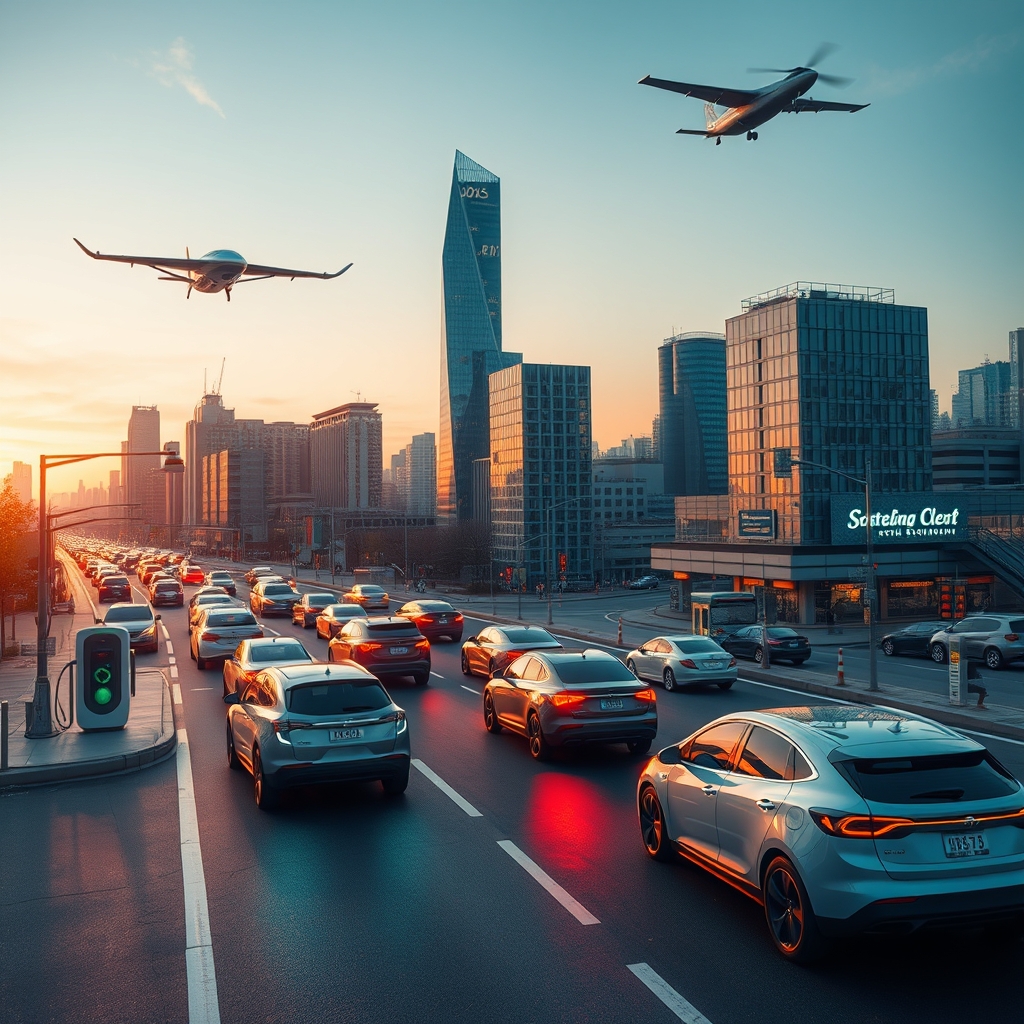
As we stand on the precipice of a new era in transportation, several groundbreaking technologies are poised to redefine the way we move. Autonomous driving, software-defined vehicles, and advanced battery technologies are at the forefront of this revolution, promising to make our roads safer, cleaner, and more efficient.
Autonomous Driving and Software-Defined Vehicles
Autonomous driving technology is rapidly advancing, with companies like Tesla, Waymo, and Cruise leading the charge. These vehicles rely on a complex interplay of sensors, cameras, and artificial intelligence to navigate roads without human intervention. Meanwhile, software-defined vehicles are transforming the automotive landscape by integrating advanced software systems that can be updated over-the-air, much like a smartphone. This shift allows for continuous improvement and the addition of new features, extending the vehicle’s lifecycle and reducing electronic waste.
Battery Technologies: Solid State and Hydrogen Fuel Cells
Battery technology is another critical area of innovation. Solid-state batteries promise higher energy density, faster charging times, and improved safety compared to traditional lithium-ion batteries. Companies like Toyota and QuantumScape are investing heavily in this technology, aiming to make electric vehicles (EVs) more practical for long-distance travel.
Hydrogen fuel cells offer an alternative to battery-powered EVs, providing quick refueling times and zero emissions. However, the infrastructure for hydrogen refueling stations is still in its infancy, and the production of hydrogen itself can be energy-intensive if not sourced sustainably.
Charging and Energy Management
Bidirectional charging is an emerging technology that allows EVs to not only draw power from the grid but also feed it back. This capability can stabilize the grid during peak demand periods and even provide backup power during outages. Additionally, regenerative braking systems capture and store energy that would otherwise be lost as heat, further enhancing the efficiency of EVs.
Materials and Design
The materials used in vehicle construction are also evolving. Carbon fiber chassis offer significant weight savings and improved strength, enhancing both performance and safety. Meanwhile, a shift towards a circular material economy aims to minimize waste and maximize the reuse of materials, reducing the environmental impact of vehicle production.
Aerodynamic Efficiency and Vehicle-to-Everything (V2X) Communication
Aerodynamic efficiency is crucial for reducing energy consumption in EVs. Innovations in vehicle design, such as active grille shutters and underbody panels, help minimize drag and improve range. Vehicle-to-Everything (V2X) communication enables vehicles to interact with their environment, enhancing safety and traffic management. This technology allows cars to communicate with other vehicles, infrastructure, and even pedestrians, creating a more connected and intelligent transportation network.
Urban Air Mobility and Predictive Maintenance
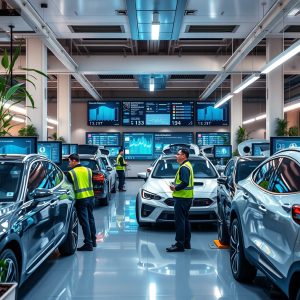
Urban air mobility (UAM) is another exciting frontier, with companies like Joby Aviation and EHang developing electric vertical takeoff and landing (eVTOL) aircraft. These vehicles promise to revolutionize urban transportation by providing fast, efficient, and eco-friendly travel options. Meanwhile, predictive maintenance AI uses machine learning algorithms to anticipate and prevent vehicle failures, reducing downtime and maintenance costs.
Modular EV Platforms and Sustainable Materials
Modular EV platforms allow for greater flexibility in vehicle design and production. These platforms can be easily adapted to different vehicle types and sizes, streamlining manufacturing processes and reducing costs. Sustainable materials, such as bio-synthetic leather and recycled plastics, are also gaining traction, offering eco-friendly alternatives to traditional materials.
In-cabin intelligence is another area of focus, with advanced sensors and AI systems enhancing the driving experience. Features like smart glass roofs, which can adjust tint based on sunlight, and liquid hydrogen storage for long-range EVs, are pushing the boundaries of what’s possible in vehicle design.
Ultra-fast charging is also a game-changer, allowing EVs to be charged in minutes rather than hours. This technology is crucial for making EVs more practical for long-distance travel and reducing range anxiety. As these innovations continue to evolve, the future of mobility looks brighter and more sustainable than ever.
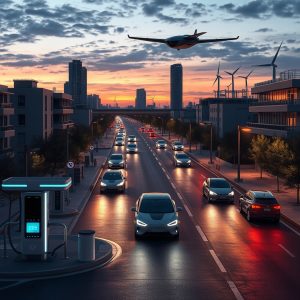
The convergence of these technologies is not just about creating faster, more efficient vehicles; it’s about building a more sustainable and interconnected transportation ecosystem. From autonomous driving to urban air mobility, each innovation plays a crucial role in reducing our carbon footprint and enhancing the quality of life in urban areas. As we embrace these advancements, we move closer to a future where transportation is not just a means to an end, but a seamless, eco-friendly experience that benefits both people and the planet. The journey ahead is filled with promise, and the road to a greener, smarter future is already being paved with innovation.