The Automotive Revolution: Navigating Electrification, Intelligence, and Sustainability
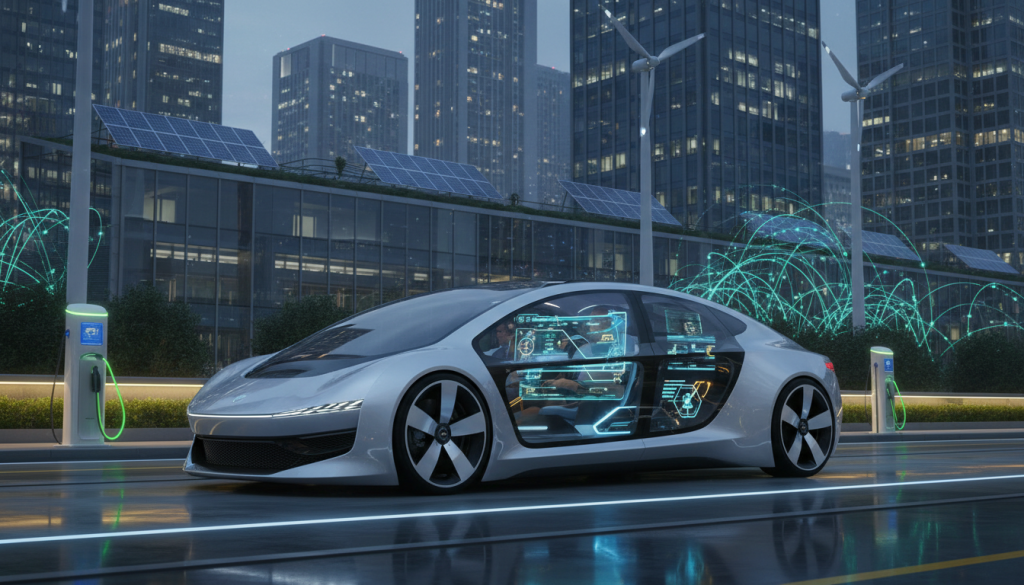
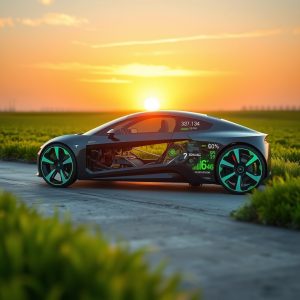
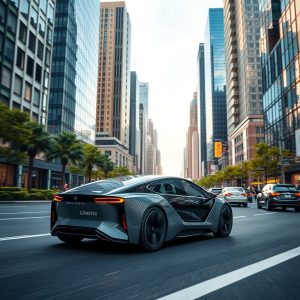
The automotive industry is in the midst of an unprecedented transformation, moving far beyond mere transportation to become a dynamic ecosystem of technology, sustainability, and personalized experiences. This isn’t just about new models hitting the showroom; it’s a fundamental reimagining of how vehicles are designed, built, sold, and used. The surging Electric Vehicle Sales are perhaps the most visible sign of this shift, but beneath the surface, a myriad of innovations are reshaping every aspect of mobility, driving us towards a smarter, greener, and more connected future. From advanced battery technologies to hyper-intelligent software, the road ahead promises exhilarating changes for consumers and industry players alike.
Electrification and Advanced Power Solutions
The push towards electrification is accelerating, with significant advancements in battery technology paving the way. Solid State Batteries, for instance, promise higher energy density, faster charging times, and enhanced safety compared to traditional lithium-ion cells, fundamentally altering the performance benchmarks for electric vehicles. This leap in battery tech is complemented by sophisticated Regenerative Braking Technology, which efficiently recaptures kinetic energy, extending range and improving overall energy efficiency.
Beyond pure battery-electric vehicles, the exploration of diverse power sources continues. Hydrogen Fuel Cells represent a compelling alternative, offering rapid refueling and zero tailpipe emissions, particularly for heavy-duty applications. Meanwhile, advanced Hybrid Powertrain Systems continue to evolve, bridging the gap for many consumers and providing enhanced fuel economy. All these innovations are crucial components of a broader shift towards integrated Green Energy Ecosystems, where vehicles play a role in energy storage and grid stability.
The Rise of Software-Defined Mobility
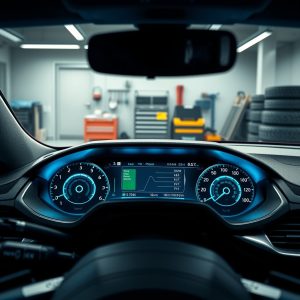
Today’s vehicles are essentially computers on wheels, a trend epitomized by Software Defined Vehicles. This paradigm allows for features and functionalities to be updated and enhanced remotely through Over The Air Updates (OTA Updates), much like a smartphone. This constant evolution ensures vehicles remain current, improving performance, adding new capabilities, and addressing potential issues without a trip to the dealership.
The intelligence embedded in these systems powers sophisticated Autonomous Driving Systems and Advanced Driver Assistance Systems (ADAS). These technologies range from adaptive cruise control to fully self-driving capabilities, significantly enhancing safety and convenience. The immense volume of Connected Car Data generated by these vehicles is invaluable, providing insights for everything from traffic management to predictive maintenance, while robust Vehicle Cybersecurity Compliance measures are paramount to protect this sensitive information and ensure system integrity.
Smart Manufacturing and Sustainable Practices
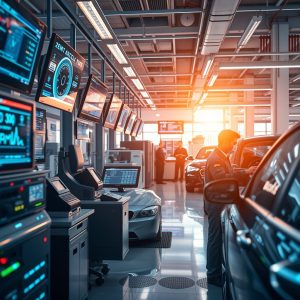
The transformation isn’t limited to the vehicle itself; it extends to how they are made. Smart Factory Automation is revolutionizing production lines, using AI, robotics, and IoT to boost efficiency, precision, and flexibility. This digital evolution allows for greater customization and quicker adaptation to market demands, fundamentally reshaping manufacturing processes.
A critical focus for the industry is embracing sustainability throughout its operations. Circular Economy Manufacturing principles are gaining traction, aiming to minimize waste and maximize resource utilization by designing products for longevity, reuse, and recycling. This is supported by the development of Sustainable Supply Chains, which prioritize ethical sourcing, reduced environmental impact, and transparency. Furthermore, Digital Twin Fleets are being used to simulate and optimize entire production processes and vehicle lifecycles, leading to more efficient and environmentally friendly operations.
Reimagining the Customer Experience
The relationship between drivers and their vehicles is becoming increasingly personal. Hyper Personalization AI is enabling vehicles to adapt to individual preferences, from seat settings and climate control to infotainment suggestions and driving modes, creating a truly bespoke experience. This level of customization is central to the emerging concept of Mobility As A Service (MaaS), where transportation is consumed as a flexible, on-demand utility rather than solely through vehicle ownership.
The way vehicles are sold and serviced is also evolving rapidly. Multi Channel Retailing offers seamless integration between online and physical showrooms, providing customers with flexible purchasing options and a consistent brand experience. Innovations like Biometric Driver Sensors are enhancing both security and convenience, allowing for keyless entry, personalized profiles, and even fatigue detection, pushing the boundaries of what a vehicle can offer its occupants.
The automotive landscape is undergoing a profound metamorphosis, driven by innovation across electrification, software intelligence, sustainable manufacturing, and personalized customer engagement. Staying abreast of these interconnected trends is crucial for anyone navigating the future of mobility. Embracing these advancements will not only lead to more efficient and enjoyable driving experiences but also contribute significantly to a more sustainable and technologically integrated world for all.