Navigating the Future Lane: Key Innovations Reshaping the Automotive Industry
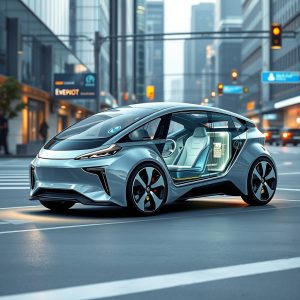
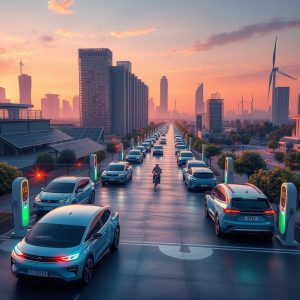
The automotive industry is in the midst of an unparalleled transformation, driven by technological breakthroughs and shifting consumer demands. The rapid acceleration of Electric Vehicle Sales, for instance, is not just a trend but a fundamental re-engineering of how we conceive of personal transportation. This dynamic landscape requires manufacturers, suppliers, and consumers alike to adapt to a future where innovation is the only constant, promising cleaner, smarter, and more personalized mobility experiences.
The Electrification Revolution and Sustainable Power
The global surge in electric vehicle adoption is pushing the boundaries of battery technology. Next-generation Solid State Batteries promise higher energy density, faster charging, and enhanced safety, poised to overcome current range anxiety and cost barriers. This innovation is crucial for making EVs more accessible and competitive across all market segments, driving further market expansion.
Beyond battery advancements, Regenerative Braking Technology continues to evolve, recovering kinetic energy typically lost during deceleration and converting it back into usable electricity, extending range and efficiency. While EVs lead the charge, the industry also explores diverse power solutions. Hydrogen Fuel Cells offer a compelling zero-emission alternative, especially for heavy-duty applications, while advanced Hybrid Powertrain Systems continue to bridge the gap, offering improved fuel economy and reduced emissions for many drivers.
Software-Defined Mobility and Intelligent Systems
Modern vehicles are increasingly becoming sophisticated computers on wheels. The rise of Software Defined Vehicles means that a car’s capabilities are no longer fixed at the point of sale but can evolve and improve throughout its lifespan. This paradigm shift enables continuous enhancements through Over The Air Updates, delivering new features, performance tweaks, and security patches seamlessly to the owner.
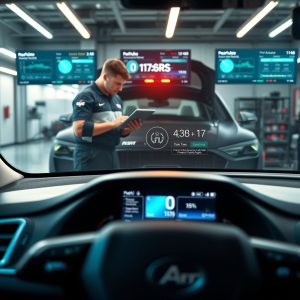
Integral to this evolution are sophisticated Autonomous Driving Systems and advanced Advanced Driver Assistance (ADAS) features, moving us closer to fully self-driving cars. These systems rely heavily on robust Connected Car Data, collected and analyzed in real-time to enhance safety, optimize traffic flow, and personalize the driving experience. However, with connectivity comes the critical need for stringent Vehicle Cybersecurity Compliance to protect sensitive data and prevent unauthorized access.
Manufacturing Innovation and Sustainable Practices
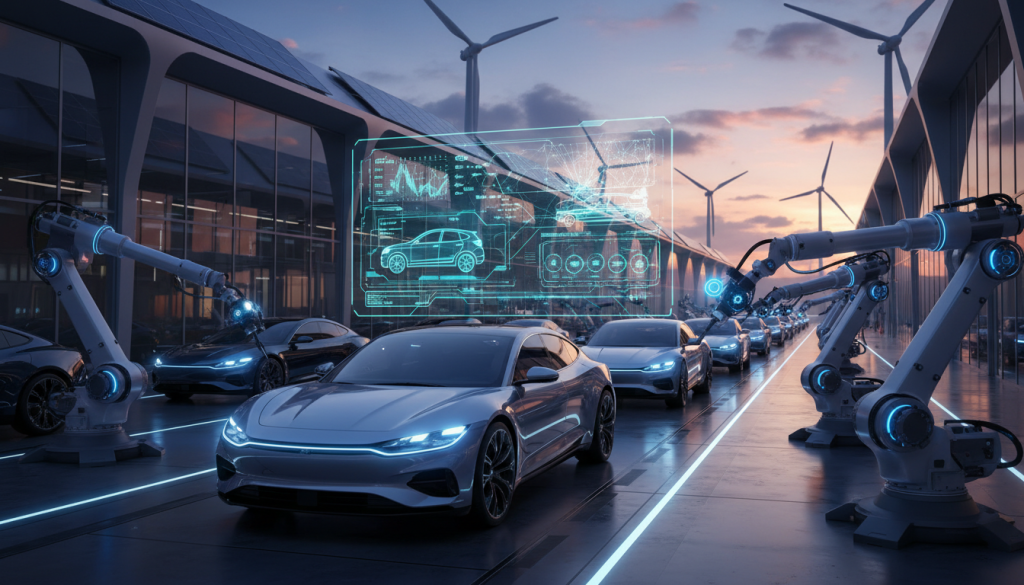
The transformation isn’t limited to the vehicle itself; it extends deep into the production process. Smart Factory Automation, powered by AI and robotics, is revolutionizing manufacturing floors, leading to greater efficiency, precision, and flexibility. This automation is key to scaling up EV production and adapting to rapidly changing market demands.
Furthermore, the industry is embracing the principles of Circular Economy Manufacturing, focusing on reducing waste, reusing materials, and recycling components to minimize environmental impact. This is supported by the development of Sustainable Supply Chains, ensuring ethical sourcing and reduced carbon footprints from raw materials to finished products. The implementation of Digital Twin Fleets allows for virtual prototyping and real-time monitoring of vehicles, optimizing design, maintenance, and operational efficiency across entire vehicle lifecycles, all while integrating with broader Green Energy Ecosystems for cleaner production.
The Evolving Customer Experience and New Business Models
As vehicles become smarter, so too does the interaction with the driver. Hyper Personalization AI is enabling cars to learn individual preferences, from climate control settings to infotainment choices, creating a truly bespoke driving environment. This level of personalization extends to the purchasing journey, with Multi Channel Retailing offering flexible ways for consumers to research, configure, and buy vehicles, whether online or in person.
Safety and convenience are also being redefined. Biometric Driver Sensors are emerging for enhanced security and personalized access, recognizing drivers and adjusting settings automatically. Beyond ownership, the concept of Mobility As A Service (MaaS) is gaining traction, offering integrated transportation solutions that prioritize access over ownership, from ride-sharing to subscription models, fundamentally altering how people interact with vehicles.
The convergence of these powerful trends – from advanced propulsion and intelligent software to sustainable manufacturing and hyper-personalized experiences – paints a vivid picture of the automotive future. Embracing these interconnected advancements, understanding their implications, and strategically investing in the right technologies will define success for automotive players and enrich the driving and mobility experience for consumers in the years to come, unlocking unprecedented levels of efficiency, safety, and enjoyment.