
The Silent Architects: How Solid State Batteries and Aerodynamic Efficiency Are Crafting the Next Era of Electric Mobility
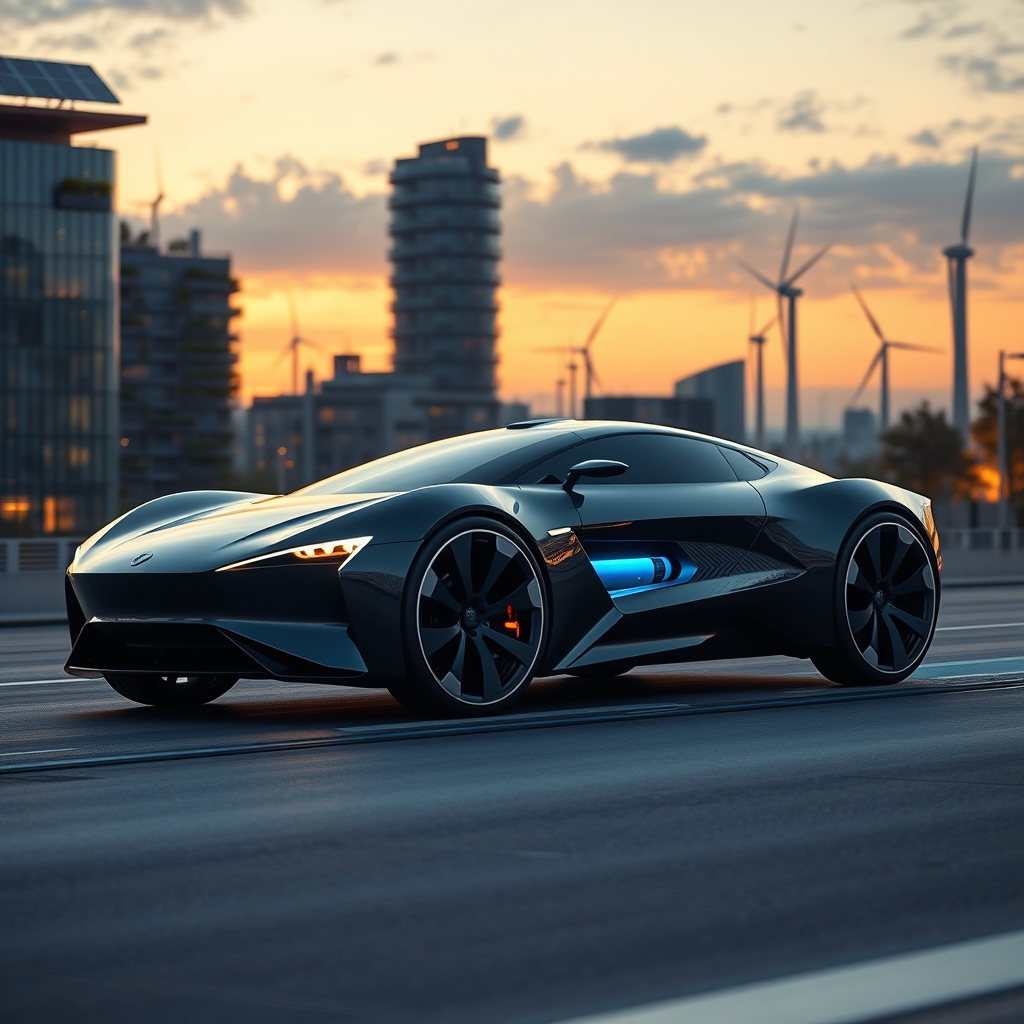
The automotive industry is undergoing a transformation so profound that it feels less like evolution and more like a revolution. At the heart of this shift lies a dual pursuit: energy storage that defies the limitations of today’s lithium-ion batteries and vehicle designs that slice through the air with near-silent precision. Together, solid-state batteries and aerodynamic efficiency are not just improving electric vehicles—they are redefining what it means to move.
The Quantum Leap in Energy Storage
For decades, lithium-ion batteries have been the backbone of electric mobility, but their constraints—limited energy density, thermal instability, and long charging times—have kept the industry from reaching its full potential. Enter solid-state batteries, a technology that replaces the liquid or gel electrolyte of conventional batteries with a solid counterpart. The implications are staggering. With energy densities potentially twice that of lithium-ion, solid-state batteries could extend the range of electric vehicles to levels once thought impossible, all while reducing weight and improving safety by eliminating the risk of thermal runaway.
But the benefits extend beyond raw performance. Solid-state batteries promise faster charging times, longer lifespans, and a reduced environmental footprint, thanks to the elimination of rare and toxic materials like cobalt. Companies like QuantumScape, Solid Power, and Toyota are racing to commercialize this technology, with prototypes already demonstrating real-world viability. The day when a 1,000-mile range becomes the standard, rather than the exception, may be closer than we think.
Sculpting the Wind: The Art of Aerodynamic Efficiency
While batteries provide the energy, aerodynamics determine how far that energy can take you. The relationship between a vehicle and the air it moves through is a dance of physics, where every curve, angle, and surface plays a role in either resisting or harnessing the wind. In the quest for efficiency, automakers are turning to computational fluid dynamics (CFD) and wind tunnel testing to craft vehicles that slip through the air with minimal drag.
Tesla’s Cybertruck, with its angular, futuristic design, may seem like an outlier, but its low drag coefficient is a testament to the power of aerodynamic optimization. Meanwhile, Mercedes-Benz’s EQXX concept car achieves a drag coefficient of just 0.17, a figure that rivals the efficiency of a fighter jet. These advancements are not merely about aesthetics; they directly translate to extended range, reduced energy consumption, and lower operational costs. In an era where every watt-hour counts, aerodynamic efficiency is no longer a luxury—it’s a necessity.
The Synergy of Form and Function
The marriage of solid-state batteries and aerodynamic efficiency is more than the sum of its parts. Lighter, more compact batteries reduce vehicle weight, which in turn enhances aerodynamic performance by allowing for sleeker, more streamlined designs. Conversely, vehicles that require less energy to move can make do with smaller, lighter battery packs, creating a virtuous cycle of efficiency. This synergy is already evident in concept vehicles like the BMW i Vision Circular, which combines a lightweight, modular design with next-generation battery technology to achieve unprecedented levels of sustainability and performance.
Beyond the Vehicle: A Ripple Effect of Innovation
The impact of these technologies extends far beyond the confines of the vehicle itself. Solid-state batteries could revolutionize energy storage for the grid, enabling more efficient renewable energy integration and reducing reliance on fossil fuels. Meanwhile, aerodynamic advancements are influencing everything from urban infrastructure to public transportation, as cities seek to reduce congestion and emissions by designing environments that complement, rather than hinder, efficient movement.
Even the materials used in these innovations are evolving. Carbon fiber composites, once reserved for high-end sports cars, are now being integrated into mainstream vehicles to reduce weight and improve structural integrity. Bio-synthetic leather and recycled plastics are replacing traditional materials, further reducing the environmental impact of manufacturing. The result is a holistic approach to mobility that prioritizes sustainability without sacrificing performance or luxury.
The Road Ahead: Challenges and Opportunities
Despite the promise, the path to widespread adoption is not without obstacles. Solid-state batteries face hurdles in scalability, cost, and manufacturing complexity, while aerodynamic designs must balance efficiency with practicality—after all, a car must still be functional, comfortable, and appealing to consumers. Yet, the progress made in just the past decade suggests that these challenges are not insurmountable. As automakers invest billions in research and development, and as governments implement policies to accelerate the transition to electric mobility, the pieces of the puzzle are falling into place.
The future of electric mobility is not just about replacing the internal combustion engine; it’s about reimagining the entire ecosystem of transportation. From the way we power our vehicles to the way we design them, every aspect of the automotive experience is being redefined. Solid-state batteries and aerodynamic efficiency are not just technologies—they are the silent architects of a new era, one where movement is cleaner, smarter, and more sustainable than ever before. As these innovations continue to evolve, they will not only shape the vehicles we drive but also the world we live in, proving that the quietest revolutions often have the loudest impact.