The Unseen Pulse: How Real-Time Monitoring and Personalized Care Are Redefining the Soul of Your Vehicle
The road hums beneath your tires, a rhythmic symphony of metal, rubber, and motion. Every turn, every acceleration, every gentle press of the brake pedal is a conversation between you and your machine—a dialogue that, until recently, was whispered in languages only mechanics could decipher. But what if your car could speak to you directly? What if it could warn you of a looming issue before it became a crisis, or adapt its care to the unique rhythm of your driving life? This is no longer the stuff of science fiction. It’s the reality of experiential car care, where real-time vehicle monitoring and personalized maintenance schedules are transforming the way we nurture our vehicles, turning routine servicing into a deeply intuitive, almost sacred, practice.
The Dawn of the Sentient Machine
Imagine a world where your car doesn’t just take you from point A to point B, but actively participates in its own well-being. Sensors embedded in every critical component—engine, transmission, brakes, even the tires—constantly gather data, painting a vivid, real-time portrait of your vehicle’s health. This isn’t just about detecting problems; it’s about understanding the story of your car. How does it behave under stress? How does it respond to the scorching heat of summer or the biting cold of winter? What are the subtle quirks that make it uniquely yours?
Smart vehicle diagnostics have evolved far beyond the blinking check-engine light. Today’s systems analyze thousands of data points per second, cross-referencing them with vast databases of manufacturer specifications, historical trends, and even the driving habits of similar vehicles. The result? A level of insight that was once reserved for Formula 1 pit crews, now available to everyday drivers. A slight vibration in the steering wheel at high speeds? The system might trace it to a misaligned wheel or a worn suspension component, alerting you before it becomes a safety hazard. A minor fluctuation in fuel efficiency? It could be an early sign of a clogged fuel injector or a failing oxygen sensor, addressed long before it strands you on the side of the road.
The Art of Listening: How Data Transforms Maintenance
Data-driven automotive servicing isn’t just about preventing breakdowns; it’s about fostering a deeper connection between driver and machine. Traditional maintenance schedules are rigid, one-size-fits-all affairs, dictated by mileage or time intervals. But your car’s needs are as unique as your fingerprint. A vehicle that spends its days idling in stop-and-go traffic will age differently than one that cruises effortlessly on the open highway. A car driven by a lead-footed enthusiast will demand more from its components than one piloted by a cautious commuter.
This is where personalized maintenance schedules come into play. By analyzing your driving patterns, environmental conditions, and even the way you interact with the pedals and steering wheel, modern systems can predict when your car will need attention—sometimes weeks or even months in advance. No more guessing. No more crossing your fingers and hoping for the best. Instead, you receive a tailored roadmap for your vehicle’s care, one that evolves alongside your lifestyle. Planning a cross-country road trip? The system might recommend a pre-trip inspection to ensure your tires, brakes, and fluids are up to the challenge. Moving to a colder climate? It could suggest a switch to a different grade of engine oil or a more robust battery.
The Human Touch in a Digital Age
For all its precision, data-driven care can sometimes feel cold and impersonal. That’s why the best customer-centric auto service experiences blend technology with the irreplaceable value of human expertise. Imagine walking into a service center where the technician already knows your car’s history, its quirks, and its needs—before you even say a word. Digital maintenance logs make this possible, providing a comprehensive, searchable record of every service, repair, and diagnostic test your vehicle has ever undergone. No more digging through glove compartments for crumpled receipts or trying to remember the last time you changed the oil. Everything is at your fingertips, accessible via an app or a quick scan of your vehicle’s VIN.
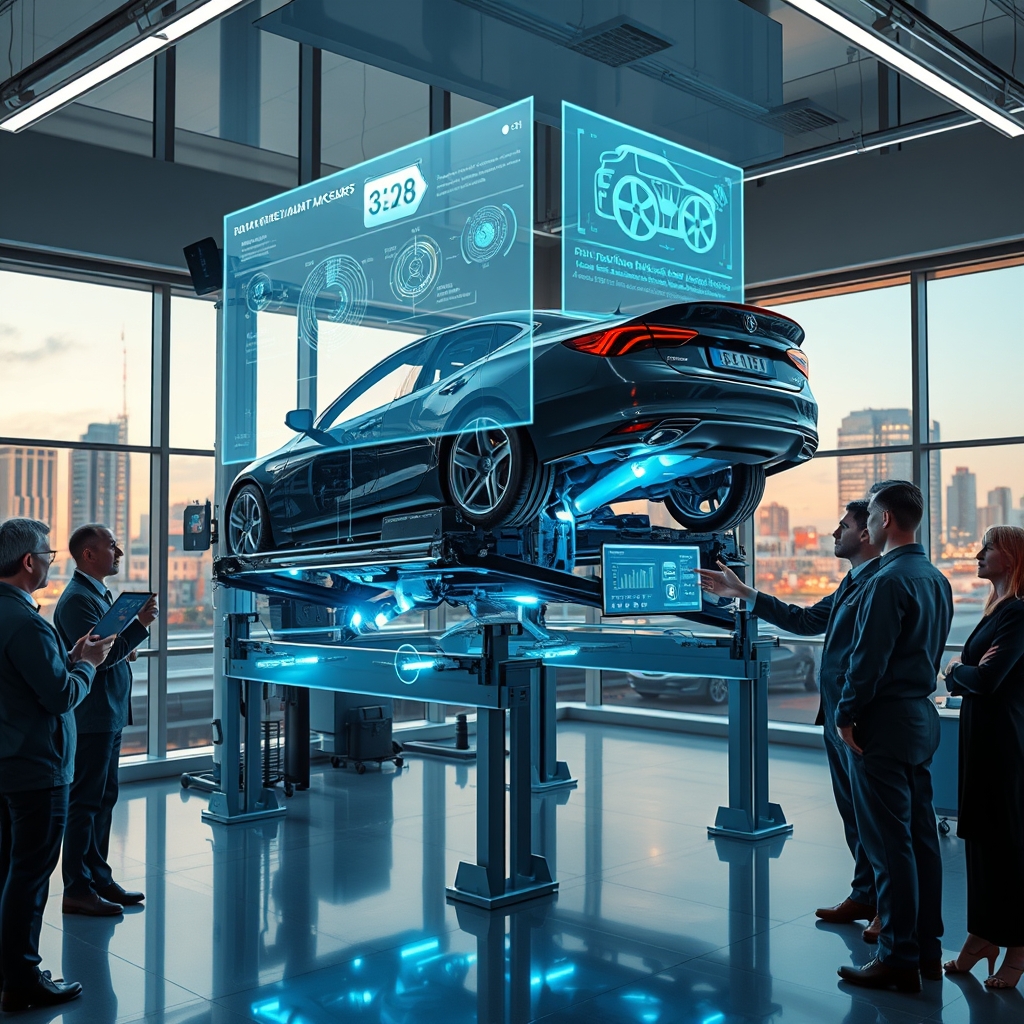
But the true magic happens when this data is paired with a technician’s intuition and experience. A seasoned mechanic can look at a stream of diagnostic codes and see not just a list of problems, but a narrative—a story of how your car has been pushed, pampered, or neglected. They can spot patterns that algorithms might miss, like the way a slight hesitation in acceleration could be tied to a driver’s habit of riding the clutch or the way a car’s handling changes when it’s carrying a heavy load. This is where interactive diagnostic sessions come into play. Instead of a one-sided conversation where the technician tells you what’s wrong, these sessions invite you into the process. You see the data, you hear the explanations, and you’re empowered to make informed decisions about your car’s care.
The Future of Care: Proactive, Transparent, and Empowering
The shift toward proactive fleet maintenance and preventive maintenance education is more than just a trend; it’s a fundamental reimagining of what it means to own and care for a vehicle. Gone are the days of reactive repairs, where you only addressed problems after they’d already caused damage. Today, the focus is on anticipation—on staying one step ahead of wear and tear, on extending the life of your car through thoughtful, deliberate care.
This philosophy extends beyond individual vehicles to entire fleets, where optimized automotive workflows and comprehensive service planning are revolutionizing industries. Imagine a delivery company where every truck is monitored in real time, where maintenance is scheduled not based on arbitrary mileage intervals, but on actual usage patterns. A truck that hauls heavy loads up steep inclines might need more frequent brake inspections, while one that idles for long periods could benefit from more regular oil changes. By tailoring care to the specific demands of each vehicle, companies can reduce downtime, lower costs, and extend the lifespan of their assets.
A New Era of Trust and Transparency
One of the most profound changes brought about by this shift is the erosion of the old, adversarial relationship between drivers and service centers. For too long, car owners have approached maintenance with a mix of dread and skepticism, fearing that they’ll be upsold on unnecessary repairs or left in the dark about what’s really wrong with their vehicle. But transparent repair processes are changing the game. When you can see the data for yourself—when you can pull up a live feed of your car’s diagnostics or review a detailed report of its health—there’s no room for ambiguity. You know exactly what needs to be done, why it needs to be done, and how much it should cost.
This transparency fosters trust, and trust is the foundation of any great relationship—including the one between you and your car. When you feel confident that your vehicle is being cared for with honesty and expertise, you’re more likely to invest in its long-term well-being. You’re more likely to follow through on recommended maintenance, to address small issues before they become big problems, and to take pride in the way your car looks, feels, and performs.
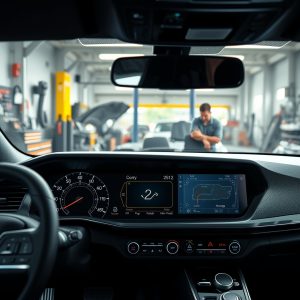
As you slide behind the wheel, the dashboard lights up with a gentle reminder: “Tire pressure low on rear left. Would you like to schedule a service?” You tap the screen, and within seconds, an appointment is booked at your preferred service center, where they already know your car’s history and are prepared to address its needs. No stress. No guesswork. Just a seamless, intuitive experience that puts you in control. This is the future of car care—a future where technology and human expertise come together to create something truly extraordinary. A future where your car isn’t just a machine, but a trusted companion on the journey of life, cared for with the same attention and devotion you’d give to any cherished relationship. And as you pull out onto the open road, the hum of the engine beneath you feels less like a mechanical process and more like the steady, reassuring beat of a heart.