The Invisible Current: How 800 Volt Architecture and Vehicle-to-Everything Are Electrifying the Smart Grid of Tomorrow
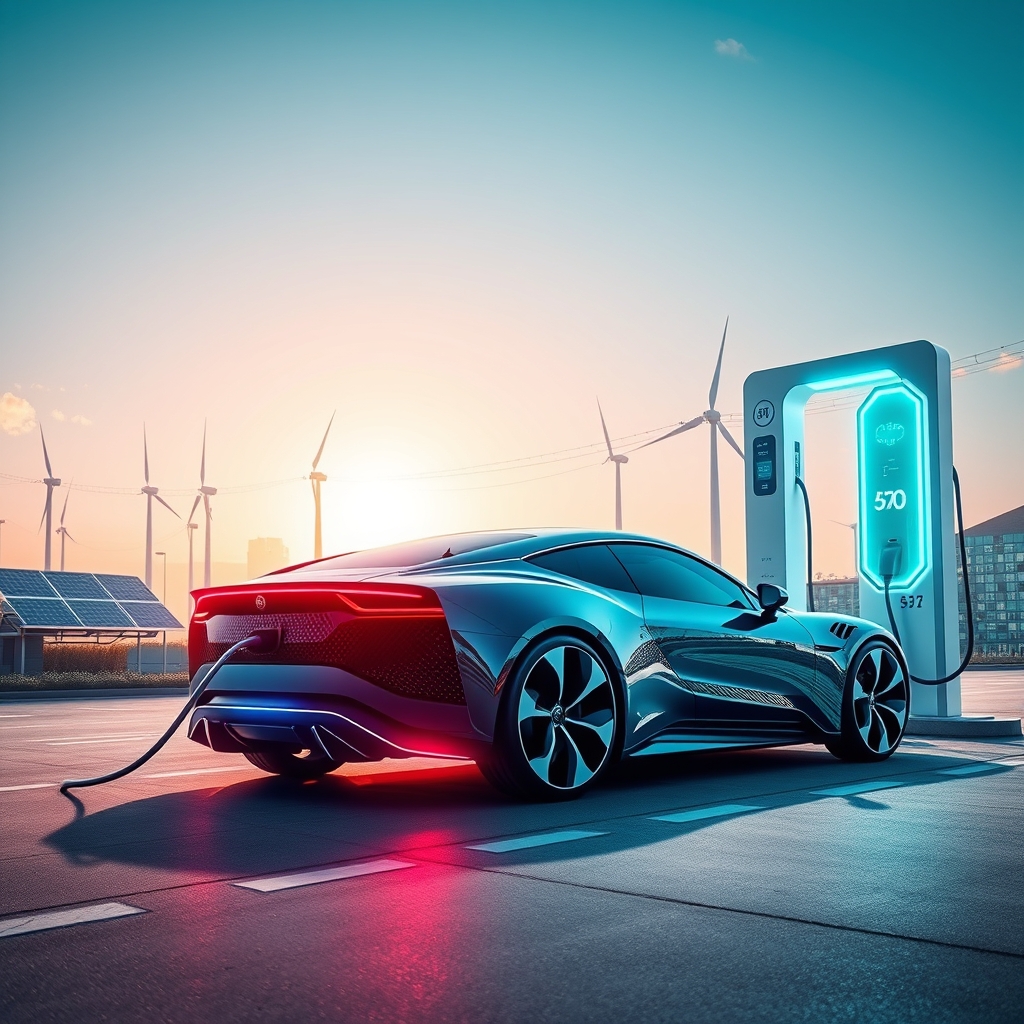
The automotive industry is undergoing a seismic shift, one where the boundaries between vehicle and infrastructure blur into a seamless, intelligent ecosystem. At the heart of this transformation lies the convergence of two groundbreaking technologies: 800 volt architecture and Vehicle-to-Everything (V2X) communication. Together, they are not just redefining how we power and interact with electric vehicles (EVs) but are also laying the foundation for a smarter, more resilient energy grid.
The Power Surge: Why 800 Volt Architecture Matters
For decades, the 400 volt architecture dominated the EV landscape, offering a balance between efficiency and practicality. However, as the demand for faster charging, longer range, and lighter vehicles grows, the limitations of this system have become increasingly apparent. Enter the 800 volt architecture—a technological leap that is reshaping the future of electric mobility.
The advantages of 800 volt systems are manifold. First and foremost, they enable ultra-fast charging, reducing the time it takes to replenish a battery from hours to mere minutes. This is achieved by allowing higher power transfer without proportionally increasing current, which in turn minimizes heat generation and energy loss. For drivers, this means less time tethered to charging stations and more time on the road, making long-distance travel in EVs as convenient as it is in internal combustion vehicles.
Beyond charging speed, 800 volt architecture enhances aerodynamic efficiency and vehicle performance. By reducing the size and weight of wiring and components, automakers can design sleeker, more streamlined vehicles that cut through the air with minimal resistance. This not only improves range but also contributes to a quieter, more refined driving experience. Additionally, the higher voltage system supports more efficient regenerative braking, capturing and storing energy that would otherwise be lost during deceleration.
The Intelligence Layer: How V2X is Turning Vehicles into Nodes of the Smart Grid
While 800 volt architecture addresses the physical limitations of power delivery, V2X communication is the digital backbone that transforms EVs from isolated units into interconnected nodes within a larger energy ecosystem. V2X encompasses a suite of technologies, including Vehicle-to-Grid (V2G), Vehicle-to-Home (V2H), and Vehicle-to-Infrastructure (V2I), each playing a unique role in creating a dynamic, two-way energy flow.
At its core, V2X enables vehicles to communicate with the grid, other vehicles, and even urban infrastructure in real time. For instance, during peak demand hours, EVs equipped with bidirectional charging can feed stored energy back into the grid, helping to stabilize supply and reduce strain on power plants. This not only provides financial incentives for EV owners—who can sell excess energy back to utilities—but also accelerates the transition to renewable energy sources by creating a more flexible and responsive grid.
V2X also enhances safety and efficiency on the road. Through Vehicle-to-Infrastructure (V2I) communication, cars can receive real-time data from traffic lights, road sensors, and even pedestrian crossings, allowing for smoother traffic flow and reduced congestion. In urban environments, this technology can integrate with Urban Air Mobility (UAM) systems, ensuring seamless coordination between ground and air traffic. Meanwhile, Vehicle-to-Vehicle (V2V) communication enables cars to share information about road conditions, hazards, and optimal routes, reducing the risk of accidents and improving overall driving efficiency.
The Synergy of Power and Intelligence
The true potential of 800 volt architecture and V2X lies in their synergy. Together, they create a feedback loop where energy and data flow effortlessly between vehicles, infrastructure, and the grid. For example, an EV with an 800 volt system can charge rapidly at a highway station, then use V2X to communicate with a smart home system, ensuring that the energy stored in its battery is used optimally—whether to power the house during an outage or to sell back to the grid during peak hours.
This integration also paves the way for predictive maintenance AI, which can monitor the health of the vehicle’s electrical system in real time. By analyzing data from the battery, charging infrastructure, and driving patterns, AI can predict potential issues before they arise, reducing downtime and extending the lifespan of EV components. This proactive approach to maintenance not only saves costs for owners but also contributes to the circular material economy by minimizing waste and maximizing the reuse of materials.
Sustainability Beyond the Vehicle
The implications of this technological convergence extend far beyond individual vehicles. By enabling a more efficient and flexible energy grid, 800 volt architecture and V2X are accelerating the adoption of renewable energy sources. Solar and wind power, which are inherently intermittent, can be better integrated into the grid when EVs act as mobile storage units, absorbing excess energy during periods of high production and releasing it when demand spikes.
Moreover, the shift toward 800 volt systems aligns with the broader push for sustainable supply chains. The reduced weight and increased efficiency of these vehicles lower their overall carbon footprint, while the use of bio-synthetic leather, carbon fiber chassis, and other lightweight, eco-friendly materials further enhances their sustainability. As automakers embrace modular EV platforms, they can standardize components across models, reducing waste and simplifying recycling processes.
The Road Ahead: A Connected, Resilient Future
The journey toward a fully integrated, intelligent mobility ecosystem is still in its early stages, but the progress made so far is undeniable. The combination of 800 volt architecture and V2X is not just about faster cars or smarter grids—it’s about reimagining the relationship between energy, infrastructure, and society. As these technologies mature, they will unlock new possibilities for urban planning, energy management, and even disaster resilience, where EVs can serve as emergency power sources during blackouts or natural disasters.
In this future, the line between vehicle and infrastructure will continue to blur, giving rise to a world where mobility is not just a means of transportation but a dynamic, intelligent force that powers our lives. The road ahead is electrified, connected, and full of promise—a testament to the invisible current of innovation that is driving us forward.