
The Invisible Revolution: How Urban Air Mobility and 800 Volt Architecture Are Crafting the Sky-High Future of Electric Mobility
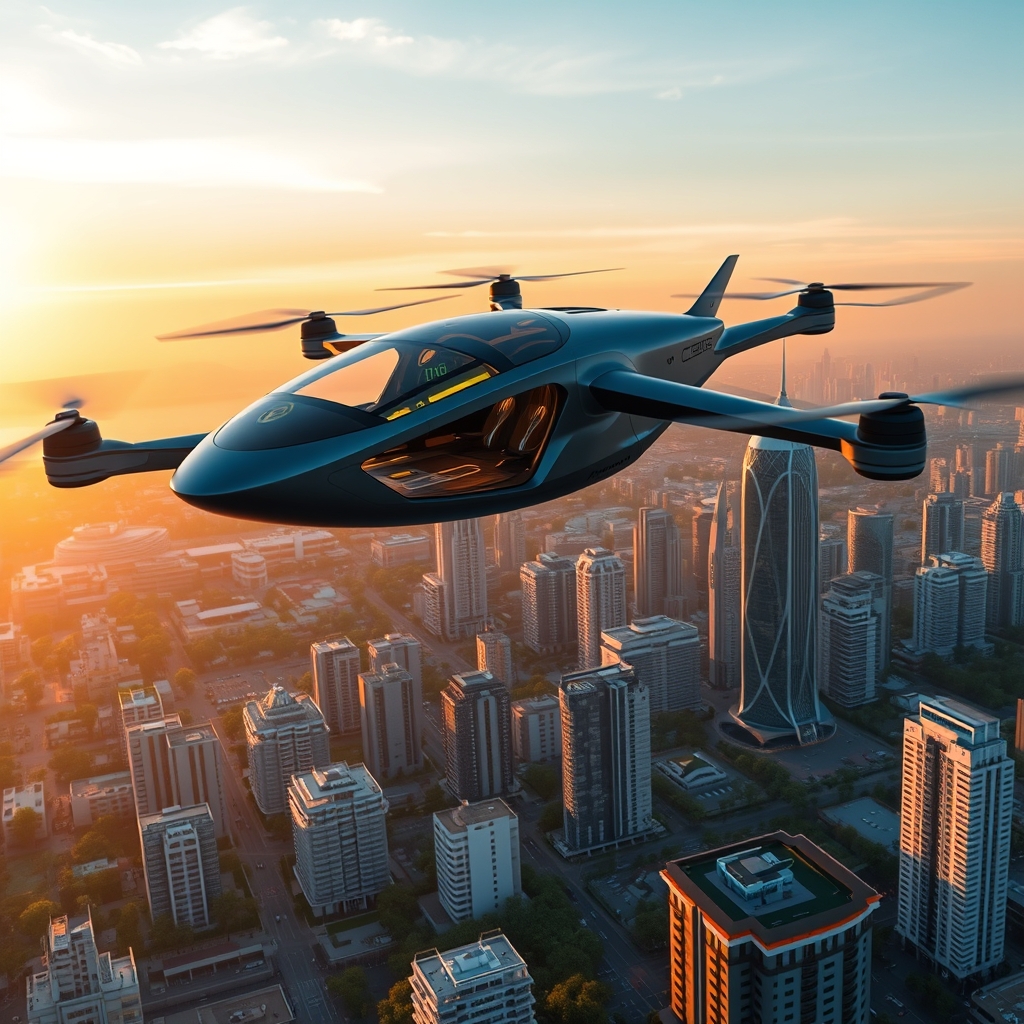
The hum of propellers blends seamlessly with the rhythm of city life as the first generation of electric vertical takeoff and landing (eVTOL) aircraft glide between skyscrapers, redefining urban mobility. These futuristic vehicles, once confined to the realms of science fiction, are now poised to become a tangible reality, thanks to advancements in 800 volt architecture and cutting-edge battery technology. The convergence of urban air mobility (UAM) and high-voltage electric systems is not just a leap forward—it’s a complete reimagining of how we move through the world, both on the ground and in the air.
The Skyward Shift: Why Urban Air Mobility is Taking Flight
Cities are growing at an unprecedented rate, with over 68% of the global population expected to live in urban areas by 2050. This rapid urbanization is straining traditional transportation infrastructure, leading to congestion, pollution, and inefficiency. Enter urban air mobility, a revolutionary concept that leverages electric aircraft to provide fast, efficient, and sustainable transportation within and between cities. Companies like Joby Aviation, Volocopter, and Lilium are leading the charge, developing eVTOL aircraft designed to operate quietly, emit zero emissions, and integrate seamlessly into existing urban landscapes.
But the success of UAM hinges on more than just innovative aircraft design. It requires a robust, high-performance electric powertrain capable of delivering the power and efficiency needed for vertical takeoff, sustained flight, and safe landings. This is where 800 volt architecture comes into play, offering a transformative solution that addresses the unique challenges of electric aviation.
The Power Behind the Propellers: 800 Volt Architecture in UAM
Traditional electric vehicles (EVs) typically operate on 400 volt systems, which are well-suited for ground-based transportation. However, the demands of aviation—particularly the need for rapid power delivery, lightweight components, and extended range—require a more advanced approach. 800 volt architecture doubles the voltage, enabling faster charging, reduced energy loss, and lighter wiring, all of which are critical for the performance and efficiency of eVTOL aircraft.
One of the most significant advantages of 800 volt systems is their ability to support ultra-fast charging. In the context of UAM, where aircraft may need to recharge between short flights, the ability to replenish battery capacity in minutes rather than hours is a game-changer. This not only maximizes uptime but also reduces the need for large, heavy battery packs, allowing for more passengers or cargo to be transported per flight. Additionally, the higher voltage reduces resistive losses, improving overall energy efficiency and extending the range of eVTOL aircraft.
Lightweighting and Efficiency: The Key to Sustainable Flight
Weight is the enemy of efficiency in aviation, and every gram saved translates into improved performance and reduced energy consumption. 800 volt architecture enables the use of thinner, lighter wiring and more compact power electronics, which are essential for keeping the overall weight of eVTOL aircraft to a minimum. This, in turn, allows for the integration of advanced materials like carbon fiber chassis and lightweight battery enclosures, further enhancing the aircraft’s efficiency and range.
Beyond weight savings, 800 volt systems also enable more efficient power distribution, reducing the heat generated during operation. This is particularly important for eVTOL aircraft, which rely on multiple electric motors and rotors to achieve vertical takeoff and landing. By minimizing energy loss, these systems ensure that more of the battery’s power is used for propulsion, rather than being wasted as heat.
The Role of AI and Predictive Maintenance in UAM
As urban air mobility evolves, so too does the need for intelligent systems that can ensure safety, reliability, and efficiency. Predictive maintenance AI is emerging as a critical tool in this regard, leveraging real-time data and machine learning algorithms to monitor the health of eVTOL aircraft and predict potential failures before they occur. This proactive approach to maintenance not only reduces downtime but also enhances safety, a non-negotiable priority in aviation.
In addition to predictive maintenance, in-cabin intelligence is transforming the passenger experience in UAM. From voice-activated controls and personalized climate settings to real-time flight updates and entertainment options, AI-driven systems are making air travel more intuitive, comfortable, and enjoyable. These innovations are not just about luxury—they’re about building trust and familiarity with a mode of transportation that is still new to many people.
Sustainability in the Skies: The Green Promise of UAM
Urban air mobility is not just about speed and convenience—it’s also about sustainability. eVTOL aircraft produce zero emissions during flight, making them a cleaner alternative to traditional helicopters and fossil fuel-powered aircraft. However, the environmental benefits of UAM extend beyond the aircraft themselves. The integration of 800 volt architecture and ultra-fast charging enables the use of renewable energy sources, such as solar and wind power, to charge aircraft batteries. This creates a closed-loop system where clean energy powers clean transportation, further reducing the carbon footprint of urban mobility.
Moreover, the shift toward UAM could alleviate some of the environmental pressures associated with ground-based transportation. By taking vehicles off the road and reducing congestion, eVTOL aircraft have the potential to lower overall emissions and improve air quality in densely populated urban areas. This aligns with broader efforts to create sustainable supply chains and promote a circular material economy, where resources are reused, recycled, and repurposed to minimize waste.
The Road Ahead: Challenges and Opportunities
While the future of urban air mobility is undeniably exciting, it is not without its challenges. Regulatory hurdles, air traffic management, and public acceptance are just a few of the obstacles that must be overcome before eVTOL aircraft can become a mainstream mode of transportation. However, the rapid pace of innovation in 800 volt architecture, battery technology, and AI-driven systems suggests that these challenges are not insurmountable.
Collaboration between industry leaders, policymakers, and urban planners will be key to integrating UAM into existing transportation networks. Cities will need to develop vertiports—dedicated takeoff and landing sites for eVTOL aircraft—while ensuring that these new modes of transportation are accessible and equitable for all residents. Additionally, advancements in vehicle-to-everything (V2X) communication will be essential for coordinating flights, managing air traffic, and preventing collisions in increasingly crowded skies.
The fusion of urban air mobility and 800 volt architecture represents more than just a technological breakthrough—it’s a paradigm shift in how we envision the future of transportation. As these innovations take flight, they promise to unlock new possibilities for efficiency, sustainability, and connectivity, transforming not just how we move, but how we live. The skies above our cities are no longer a distant frontier; they are the next frontier of human mobility, and the revolution has already begun.