The Next Wave of Automotive Innovation: How Modular EV Platforms and Bio-Synthetic Leather Are Crafting the Future of Sustainable Luxury
The automotive industry is undergoing a seismic shift, where innovation is no longer confined to the mechanical aspects of vehicles but extends to their very essence—materials, design, and functionality. At the heart of this transformation lies the convergence of modular electric vehicle (EV) platforms and advanced sustainable materials, such as bio-synthetic leather. Together, they are redefining what it means to drive in luxury while minimizing environmental impact.
The Rise of Modular EV Platforms
Modular EV platforms represent a paradigm shift in vehicle manufacturing. Unlike traditional car designs, which are often constrained by rigid architectures, modular platforms offer unparalleled flexibility. These platforms serve as a foundational skeleton, allowing manufacturers to adapt and scale designs for different vehicle types—from compact city cars to spacious SUVs—without reinventing the wheel each time.
One of the most compelling advantages of modular platforms is their ability to integrate cutting-edge technologies seamlessly. For instance, an 800-volt architecture, which enables ultra-fast charging and enhanced energy efficiency, can be incorporated into multiple vehicle models with minimal adjustments. This not only accelerates the development cycle but also reduces costs, making advanced EV technology more accessible to a broader audience.
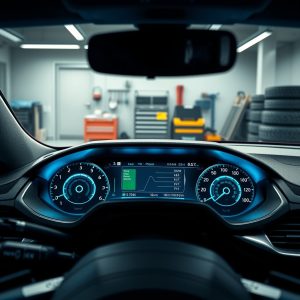
Moreover, modular platforms facilitate the adoption of predictive maintenance AI, which monitors vehicle health in real time and anticipates potential issues before they escalate. This proactive approach to maintenance not only enhances safety but also extends the lifespan of vehicles, reducing waste and promoting sustainability.
The Role of Bio-Synthetic Leather in Sustainable Luxury
Luxury and sustainability have often been perceived as mutually exclusive, but bio-synthetic leather is challenging that notion. Traditional leather production is resource-intensive, involving significant water consumption, chemical treatments, and carbon emissions. In contrast, bio-synthetic leather is engineered from renewable resources, such as agricultural waste, fungi, or lab-grown collagen, offering a cruelty-free and eco-friendly alternative.
Beyond its environmental benefits, bio-synthetic leather delivers on the promise of luxury. It can be tailored to mimic the texture, durability, and aesthetic appeal of traditional leather while offering additional advantages, such as resistance to stains and UV damage. This makes it an ideal material for high-end interiors, where both comfort and sustainability are paramount.
When combined with other sustainable materials, such as carbon fiber chassis and smart glass roofs, bio-synthetic leather contributes to a circular material economy. This holistic approach ensures that every component of a vehicle is designed with its end-of-life in mind, whether through recycling, repurposing, or biodegradation.
Designing for Aerodynamic Efficiency and In-Cabin Intelligence
Modular platforms and sustainable materials are not just about what lies beneath the surface—they also enable innovations in vehicle design and functionality. Aerodynamic efficiency, for example, is a critical factor in maximizing range and performance. By leveraging modular platforms, designers can experiment with sleek, low-drag profiles that reduce energy consumption without compromising on space or comfort.
Inside the cabin, in-cabin intelligence is transforming the driving experience. AI-powered systems can adjust lighting, climate, and even seating positions based on the driver’s preferences and biometric data. Smart glass roofs, which can tint dynamically to regulate temperature and reduce glare, further enhance comfort while minimizing the need for energy-intensive climate control systems.
The Future of Urban Mobility and Beyond
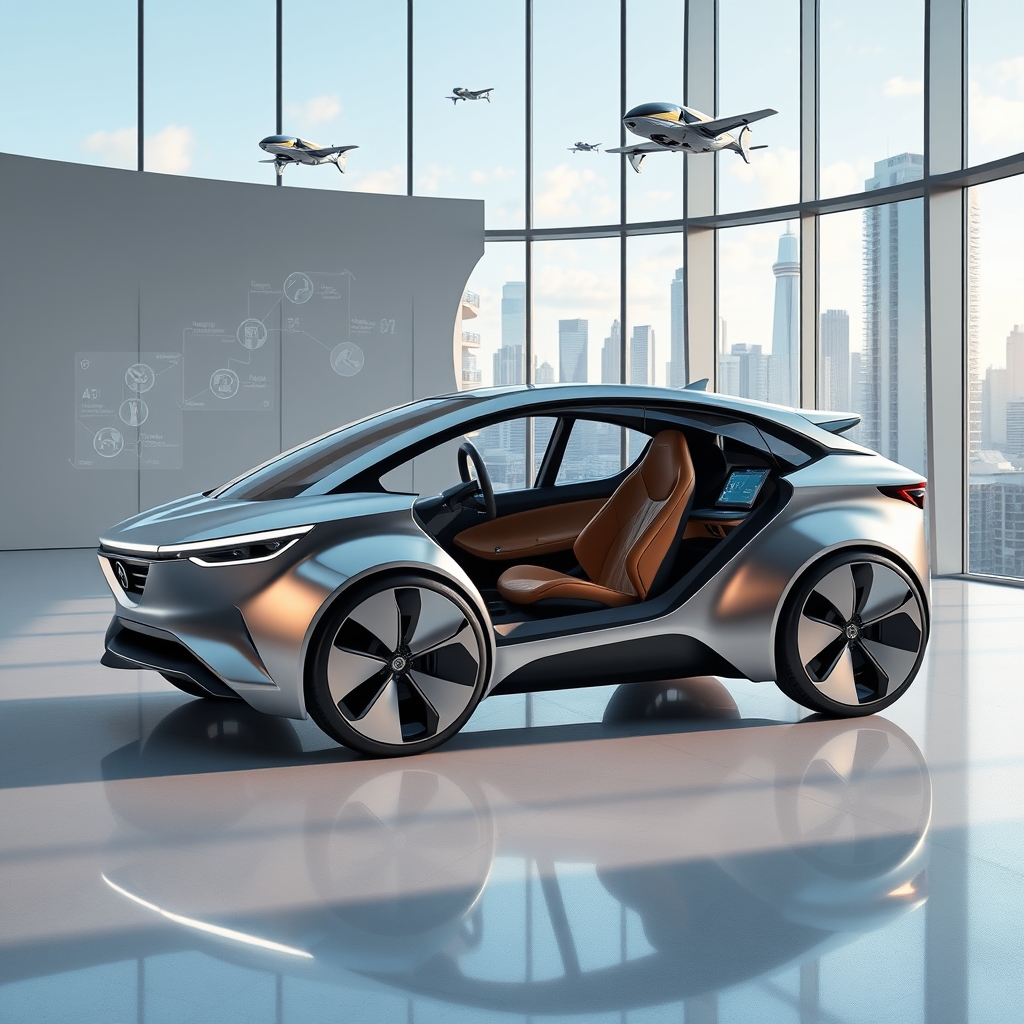
The integration of modular EV platforms and bio-synthetic leather is not just about creating better cars—it’s about reimagining mobility as a whole. Urban air mobility, for instance, could benefit from modular designs that allow for the rapid development of electric vertical takeoff and landing (eVTOL) aircraft. Similarly, bio-synthetic materials could make these vehicles lighter, more durable, and more sustainable.
As cities grow and environmental concerns intensify, the demand for intelligent, sustainable transportation solutions will only increase. Modular platforms and advanced materials are paving the way for a future where vehicles are not just modes of transport but nodes in a larger, interconnected ecosystem. They enable vehicle-to-everything (V2X) communication, where cars interact with infrastructure, pedestrians, and other vehicles to create safer, more efficient urban environments.
The road ahead is not without challenges, but the synergy between modular EV platforms and bio-synthetic leather offers a glimpse into a future where luxury and sustainability coexist harmoniously. By embracing these innovations, the automotive industry can drive toward a more sustainable, intelligent, and inclusive future—one where every journey is a step forward for both people and the planet.