The Future of Mobility: A Deep Dive into Emerging Technologies
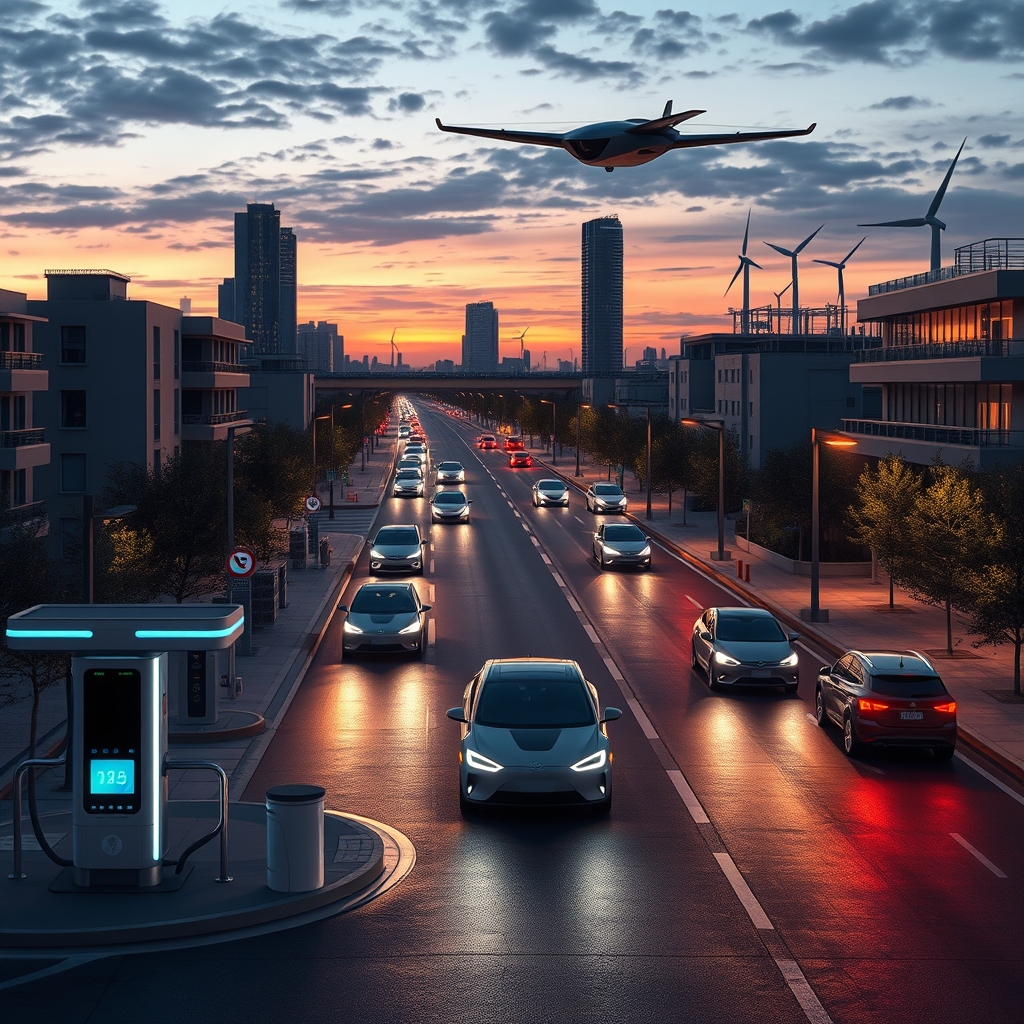
The automotive industry is undergoing a seismic shift, driven by a confluence of technological advancements and a growing emphasis on sustainability. At the heart of this transformation are several key innovations that promise to redefine our relationship with vehicles. This article explores these cutting-edge technologies, their implications, and the potential they hold for the future of mobility.
Autonomous Driving and Software Defined Vehicles
Autonomous driving is no longer a futuristic concept but a tangible reality. Companies like Tesla, Waymo, and Cruise are at the forefront of this revolution, developing vehicles that can navigate roads with minimal human intervention. The integration of software-defined vehicles (SDVs) further enhances this capability, allowing for over-the-air updates and continuous improvement of vehicle functionalities.
Solid State Batteries and Hydrogen Fuel Cells
Battery technology is another critical area of innovation. Solid state batteries promise higher energy density, faster charging times, and improved safety compared to traditional lithium-ion batteries. Meanwhile, hydrogen fuel cells offer an alternative to battery electric vehicles (BEVs), providing quick refueling and zero-emission driving. Both technologies are poised to play significant roles in the future of electric mobility.
Bidirectional Charging and Sustainable Supply Chains
Bidirectional charging, or vehicle-to-grid (V2G) technology, allows electric vehicles (EVs) to not only consume energy but also feed it back into the grid. This capability can stabilize the grid, reduce peak demand, and even provide backup power during outages. Coupled with sustainable supply chains, which focus on ethical sourcing and recycling of materials, bidirectional charging can contribute to a more resilient and eco-friendly energy ecosystem.
Regenerative Braking and Carbon Fiber Chassis
Regenerative braking systems capture energy typically lost during braking and convert it into electrical energy, which is then stored in the vehicle’s battery. This technology not only improves the efficiency of EVs but also extends their range. Carbon fiber chassis, known for their lightweight and strength, further enhance vehicle performance and energy efficiency.
800 Volt Architecture and Circular Material Economy
800-volt architecture is becoming the new standard for high-performance EVs, enabling faster charging and more efficient power delivery. This architecture complements the circular material economy, which aims to minimize waste and maximize the reuse of materials. By designing vehicles with recyclability in mind, manufacturers can reduce their environmental footprint and contribute to a more sustainable future.
Aerodynamic Efficiency and Vehicle-to-Everything (V2X)
Aerodynamic efficiency is crucial for reducing energy consumption and extending the range of EVs. Advanced design techniques and materials can significantly improve a vehicle’s aerodynamic profile, leading to better performance and lower emissions. Vehicle-to-everything (V2X) communication, which allows vehicles to interact with their environment, enhances safety and traffic management, paving the way for smarter and more connected cities.
Urban Air Mobility and Predictive Maintenance AI
Urban air mobility (UAM) is an emerging field that envisions a future where electric vertical takeoff and landing (eVTOL) aircraft transport people and goods within cities. This technology promises to alleviate traffic congestion and reduce travel times. Predictive maintenance AI, which uses data analytics and machine learning to anticipate and prevent vehicle failures, ensures that these advanced vehicles remain reliable and safe.
Modular EV Platforms and Bio-Synthetic Leather
Modular EV platforms allow manufacturers to build a variety of vehicle types on a single, flexible architecture. This approach reduces development costs and speeds up the time to market for new models. Bio-synthetic leather, made from renewable materials, offers a sustainable alternative to traditional leather, aligning with the industry’s commitment to eco-friendly practices.
Smart Glass Roof and Liquid Hydrogen Storage
Smart glass roof technology adjusts its tint based on sunlight intensity, enhancing passenger comfort and energy efficiency. Liquid hydrogen storage, which converts hydrogen gas into a liquid state for easier and more efficient storage, is a promising solution for long-range hydrogen-powered vehicles.
In-Cabin Intelligence and Ultra-Fast Charging
In-cabin intelligence uses sensors and AI to monitor and adjust the vehicle’s interior environment, ensuring optimal comfort and safety for passengers. Ultra-fast charging technology, capable of delivering hundreds of miles of range in just a few minutes, addresses one of the primary concerns of EV owners: charging time.
The future of mobility is a complex tapestry woven with threads of innovation, sustainability, and connectivity. As these technologies continue to evolve and converge, they promise to create a transportation landscape that is not only more efficient and eco-friendly but also more integrated and intelligent. The journey towards this future is already underway, and the possibilities are as vast as they are exciting.