The Future of Mobility: Analyzing Key Innovations in Autonomous Driving and Sustainable Vehicles
The automotive industry is undergoing a profound transformation, driven by advancements in technology and a growing commitment to sustainability. This article delves into some of the most significant innovations shaping the future of mobility, focusing on autonomous driving, software-defined vehicles, and sustainable supply chains.
Autonomous Driving and Software-Defined Vehicles
Autonomous driving is no longer a futuristic concept but a reality that is rapidly evolving. Software-defined vehicles (SDVs) are at the forefront of this revolution, leveraging advanced algorithms and machine learning to enhance driving experiences. These vehicles are equipped with sophisticated sensors, cameras, and lidar systems that enable them to navigate complex environments with minimal human intervention.
Predictive Maintenance AI
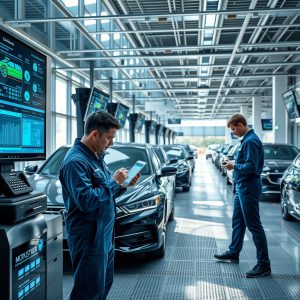
One of the key components of SDVs is predictive maintenance AI. This technology uses data analytics to monitor the vehicle’s health in real-time, predicting potential failures before they occur. By proactively addressing maintenance issues, predictive maintenance AI not only enhances vehicle reliability but also reduces downtime and repair costs.
Modular EV Platforms
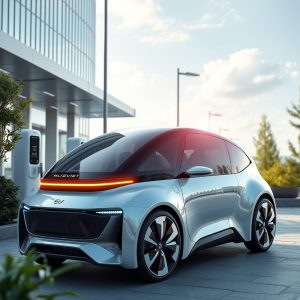
Modular EV platforms are another critical innovation in the realm of autonomous driving. These platforms allow for greater flexibility in vehicle design and production, enabling manufacturers to quickly adapt to changing market demands. Modularity also facilitates the integration of new technologies, such as advanced driver-assistance systems (ADAS) and bidirectional charging, which can transfer energy back to the grid.
Sustainable Supply Chains and Regenerative Braking
Sustainability is a cornerstone of the future of mobility. Sustainable supply chains are essential for reducing the environmental impact of vehicle production. This includes the use of circular material economies, where materials are recycled and reused to minimize waste. Regenerative braking systems are also playing a crucial role in enhancing energy efficiency. These systems capture and store energy that would otherwise be lost during braking, extending the vehicle’s range and reducing the need for frequent recharging.
Solid State Batteries and Hydrogen Fuel Cells
Advancements in battery technology are pivotal for the future of electric vehicles (EVs). Solid-state batteries offer higher energy density, faster charging times, and improved safety compared to traditional lithium-ion batteries. Hydrogen fuel cells are another promising technology, providing a clean and efficient alternative to conventional internal combustion engines. Liquid hydrogen storage solutions are being developed to enhance the practicality of hydrogen-powered vehicles.
800 Volt Architecture and Ultra Fast Charging
800-volt architecture is emerging as a standard for high-performance EVs. This architecture enables ultra-fast charging, significantly reducing the time required to recharge a vehicle. Ultra-fast charging stations are becoming more prevalent, making long-distance travel in EVs more feasible and convenient.
Urban Air Mobility and In-Cabin Intelligence
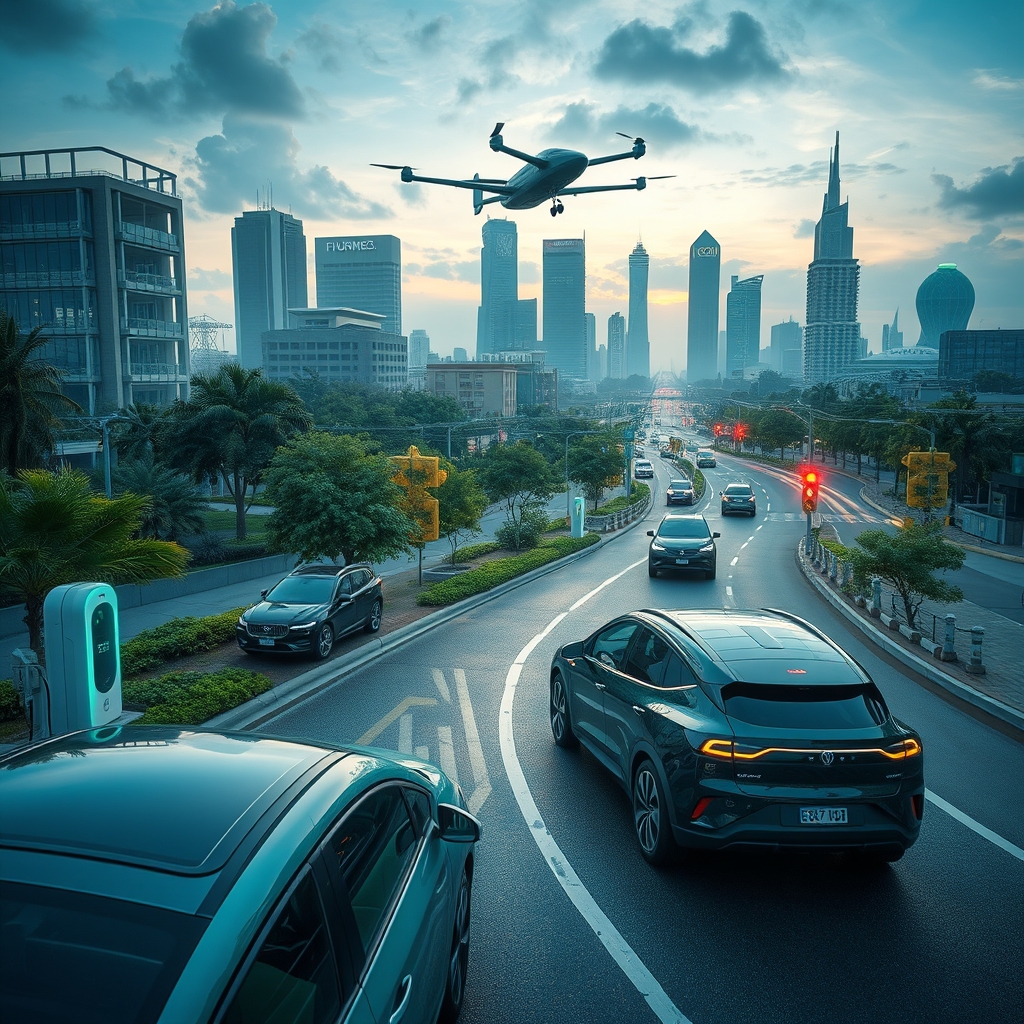
Urban air mobility (UAM) is set to revolutionize urban transportation. Electric vertical takeoff and landing (eVTOL) aircraft are being developed to provide efficient and eco-friendly air travel within cities. In-cabin intelligence is another area of innovation, with advanced systems that enhance passenger comfort and safety. Features such as smart glass roofs and bio-synthetic leather interiors are becoming more common, offering a luxurious and sustainable driving experience.
The future of mobility is being shaped by a confluence of technological advancements and sustainability initiatives. From autonomous driving and software-defined vehicles to sustainable supply chains and innovative battery technologies, the automotive industry is poised for a transformative era. As we continue to push the boundaries of what is possible, it is crucial to prioritize sustainability and innovation to create a more efficient, eco-friendly, and connected world. The journey towards this future is not without challenges, but the potential benefits are immense. By embracing these innovations, we can pave the way for a smarter, greener, and more sustainable mobility landscape.