The Future of Mobility: A Deep Dive into Emerging Technologies
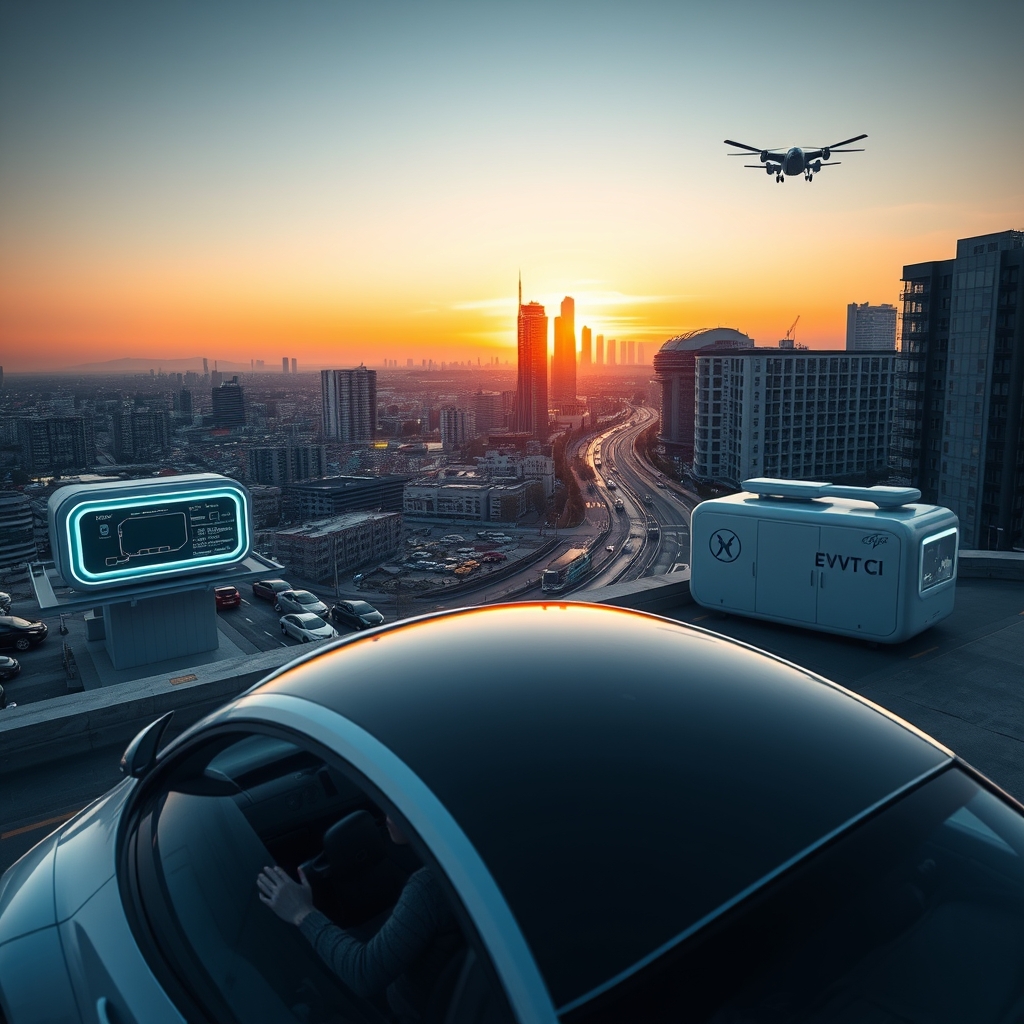
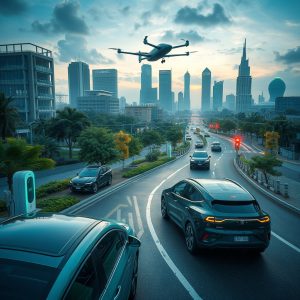
As the automotive industry hurtles towards a future dominated by electric vehicles (EVs), a myriad of innovative technologies are emerging to shape the landscape of mobility. From autonomous driving to sustainable supply chains, these advancements promise to revolutionize the way we travel and interact with our vehicles.
Autonomous Driving and Software Defined Vehicles
At the forefront of this transformation is autonomous driving, a technology that has the potential to significantly reduce accidents and traffic congestion. Software defined vehicles (SDVs) are another key innovation, allowing for over-the-air updates and continuous improvement of vehicle features. These vehicles are essentially computers on wheels, capable of adapting and evolving over time.
Powering the Future: Solid State Batteries and Hydrogen Fuel Cells
When it comes to powering these advanced vehicles, solid state batteries and hydrogen fuel cells are two promising contenders. Solid state batteries offer higher energy density and improved safety compared to traditional lithium-ion batteries. Meanwhile, hydrogen fuel cells provide a clean and efficient alternative, with the potential for rapid refueling and extended range.
Bidirectional Charging and Vehicle to Everything (V2X)
Bidirectional charging is another game-changer, enabling vehicles to not only draw power from the grid but also feed it back. This technology, combined with Vehicle to Everything (V2X) communication, allows EVs to interact with the power grid, other vehicles, and infrastructure, creating a more integrated and efficient transportation ecosystem.
Sustainability and Efficiency
Sustainability is a core focus in the development of these new technologies. Regenerative braking systems, for instance, capture energy typically lost during braking and store it in the battery, improving overall efficiency. Carbon fiber chassis and aerodynamic efficiency further enhance the performance and range of EVs.
Innovations in Materials and Design
Modular EV platforms are another significant advancement, allowing for greater flexibility in vehicle design and production. These platforms can be easily adapted to different vehicle types and sizes, reducing waste and improving efficiency. Additionally, the use of bio synthetic leather and other sustainable materials is gaining traction, contributing to a circular material economy.
Advanced Features and Intelligence
Inside the vehicle, smart glass roofs and in-cabin intelligence are enhancing the driving experience. Smart glass roofs can adjust tint based on sunlight and temperature, while in-cabin intelligence uses sensors and AI to monitor and respond to the driver’s needs, ensuring comfort and safety.
Urban Air Mobility and Predictive Maintenance
Looking beyond traditional road vehicles, urban air mobility (UAM) is set to revolutionize urban transportation. Electric vertical takeoff and landing (eVTOL) aircraft promise to reduce traffic congestion and provide faster, more efficient travel within cities. Meanwhile, predictive maintenance AI is being integrated into vehicles to anticipate and address potential issues before they become major problems, ensuring reliability and safety.
Charging Infrastructure and Liquid Hydrogen Storage
To support these advancements, ultra-fast charging infrastructure is being developed to reduce charging times and make EVs more convenient for everyday use. Liquid hydrogen storage is another critical area of research, aiming to overcome the challenges of hydrogen storage and transportation, making hydrogen fuel cells a more viable option for the future.
As we stand on the cusp of a new era in mobility, it is clear that the future is electric, connected, and sustainable. The convergence of these technologies promises to create a more efficient, safer, and environmentally friendly transportation system. However, the successful integration of these innovations will require collaboration across industries, robust infrastructure development, and a commitment to sustainability. The road ahead is filled with challenges, but the potential rewards are immense, offering a glimpse into a future where mobility is not just about getting from point A to point B, but about doing so in a way that benefits both people and the planet.