
The Black Art of Breathing: How Forced Induction and Fine-Tuning Unlock a Car’s Hidden Fury
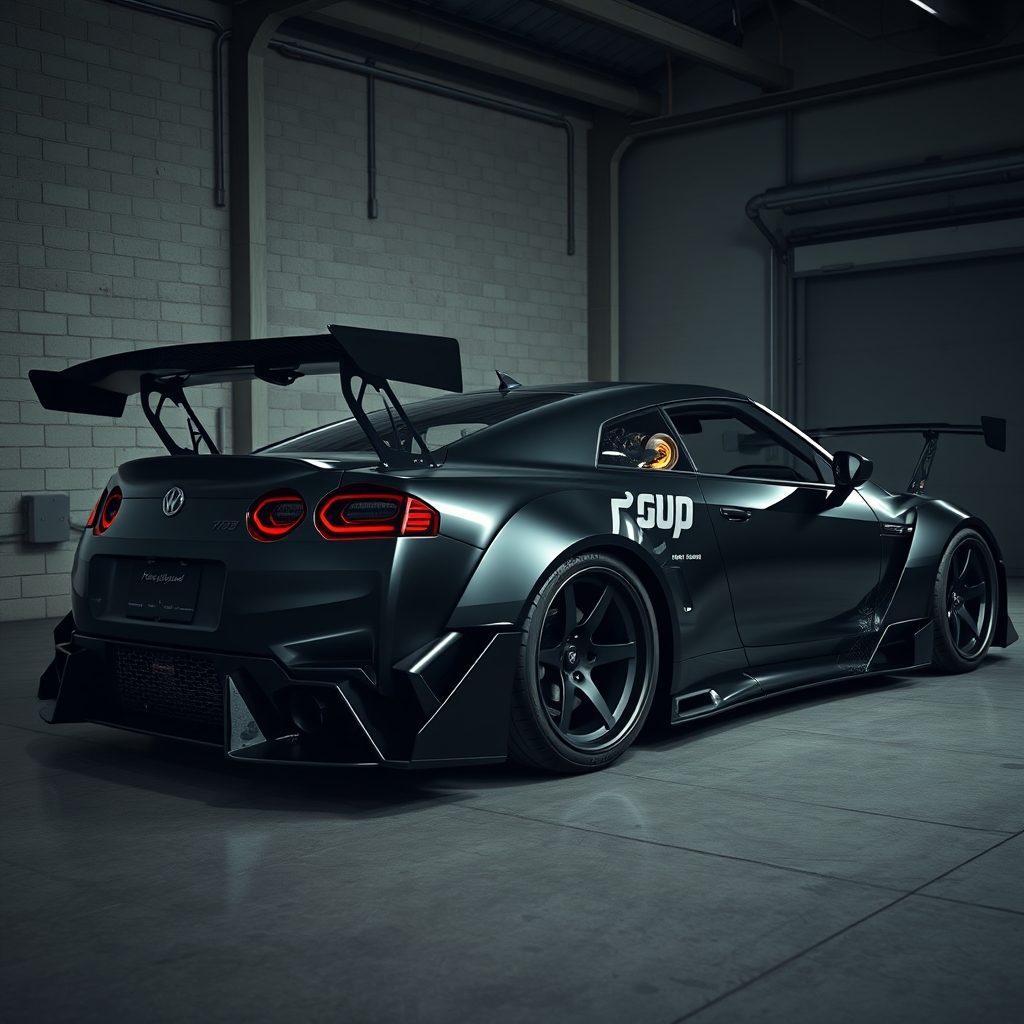
The first time you hear the whistle of a turbocharger spooling up, it’s not just sound—it’s a promise. A siren call to the dormant beast lurking beneath the hood, coiled and waiting for the moment you floor the pedal and let physics take the wheel. There’s something almost alchemical about it: the way a few pounds of boost can transform a tame, factory-tuned engine into a snarling, fire-breathing force of nature. This is the black art of forced induction, where science and sorcery collide to rewrite the rules of what a machine is capable of.
The Alchemy of Air: Why Forced Induction Changes Everything
Engines are, at their core, air pumps. The more air you can cram into the combustion chamber, the more fuel you can burn, and the more power you can unleash. Naturally aspirated engines rely on atmospheric pressure to fill their cylinders, but forced induction—whether through turbocharging or supercharging—shatters those limitations. A turbocharger, spinning at over 100,000 RPM on a cushion of exhaust gases, forces dense, compressed air into the intake manifold with a violence that borders on the obscene. The result? Horsepower figures that defy logic, torque curves that feel like a sledgehammer to the chest, and acceleration that pins you to the seat like an invisible hand.
But raw power is only half the equation. The true magic happens when you pair forced induction with precision tuning. A stock engine control unit (ECU) is programmed to keep things safe, reliable, and emissions-compliant—hardly the recipe for greatness. ECU remapping, or “chipping,” is where the real transformation begins. By recalibrating fuel maps, ignition timing, and boost thresholds, tuners can coax every last ounce of performance from an engine without pushing it into self-destruction. It’s a delicate dance: too little boost, and you’re leaving power on the table; too much, and you’re one detonation away from a very expensive paperweight. The best tuners don’t just tweak numbers—they sculpt the engine’s personality, turning a mechanical assembly into something that feels alive.
The Supporting Cast: Mods That Keep the Beast in Check
Forced induction is a double-edged sword. The same forces that unlock staggering power also expose weaknesses in a car’s factory design. Stock internals, built for mild-mannered commuting, often buckle under the strain of 500+ horsepower. That’s where the supporting mods come into play—each one a critical piece of the puzzle, ensuring that the engine doesn’t just make power, but survives it.
Forged Internals: The Backbone of Reliability
Pistons, connecting rods, and crankshafts—these are the unsung heroes of the high-performance world. Factory components are designed for longevity, not extreme stress, and under the relentless pressure of forced induction, they can fail spectacularly. Forged pistons, crafted from billet aluminum and heat-treated to withstand temperatures that would melt lesser metals, are the first line of defense. Paired with forged connecting rods and a strengthened crankshaft, they turn an engine into a fortress, capable of handling boost levels that would turn a stock block into scrap metal. It’s not glamorous work, but it’s the difference between a car that lasts a season and one that becomes a legend.
Fueling the Fire: High-Flow Injectors and Fuel Pumps
More air means more fuel, and stock injectors are often the first bottleneck in a forced induction build. High-flow injectors, capable of delivering precise, atomized fuel at rates that would choke a factory setup, are essential for maintaining the air-fuel ratio under boost. But injectors are only as good as the fuel pump feeding them. Upgraded pumps, often running at higher pressures and flow rates, ensure that the engine never goes hungry, even at the upper limits of its powerband. Without them, you’re running on fumes—and in the world of forced induction, that’s a one-way ticket to detonation city.
Exhaust and Intake: The Lungs of the Beast
A turbocharged engine is only as good as its ability to breathe. A restrictive exhaust system creates backpressure, strangling the turbo’s ability to spool and robbing the engine of power. Performance exhausts, with their mandrel-bent tubing and free-flowing mufflers, allow the engine to exhale fully, while a cold air intake ensures that the turbo is gulping down dense, oxygen-rich air. It’s a symbiotic relationship: the intake feeds the engine, the turbo compresses the air, and the exhaust expels the spent gases with minimal resistance. Disrupt any part of this cycle, and the entire system suffers.
Cooling and Lubrication: Keeping the Fire Contained
Heat is the enemy of performance. Under boost, combustion temperatures skyrocket, and without proper cooling, an engine can quickly turn into a molten mess. Upgraded intercoolers, often larger and more efficient than stock units, drop intake air temperatures by 50 degrees or more, increasing air density and reducing the risk of detonation. Oil coolers and high-performance radiators keep engine temperatures in check, while synthetic oils with advanced additives ensure that moving parts remain lubricated under extreme stress. It’s not the most exciting part of the build, but it’s the difference between a car that runs strong for years and one that grenades itself in a cloud of smoke.
The Aesthetic of Power: When Form Follows Function
There’s a certain poetry to a car that wears its performance on its sleeve. Wide-body kits, with their aggressive flares and bulging fenders, aren’t just for show—they house wider wheels and tires, providing the grip needed to put all that power to the ground. Aerodynamic spoilers, often derided as mere styling cues, generate downforce at speed, keeping the car planted and stable. Carbon fiber, once the exclusive domain of supercars, has trickled down to the aftermarket, offering weight savings without sacrificing strength. Even something as simple as a vinyl wrap or custom paint job can transform a car from a mere machine into a rolling work of art, a testament to the owner’s vision and passion.
But the most beautiful mods are the ones you don’t see. The hours spent dyno-tuning an ECU, the precision machining of forged internals, the careful balancing of rotating assemblies—these are the invisible touches that separate a fast car from a truly great one. They’re the reason why, when you floor the throttle in a well-built turbo machine, the response isn’t just immediate; it’s visceral. The surge of power isn’t just felt—it’s heard, in the howl of the turbo and the crackle of the exhaust. It’s seen, in the way the car lunges forward with a violence that defies physics. And it’s remembered, long after the drive is over, in the way your heart races and your hands grip the wheel just a little tighter.
There’s a reason why enthusiasts chase this feeling, why they spend countless hours and untold sums of money in pursuit of the perfect build. It’s not just about speed—it’s about the connection between man and machine, the way a car can feel like an extension of your own will. Forced induction doesn’t just make a car faster; it makes it alive. And once you’ve experienced that, there’s no going back.