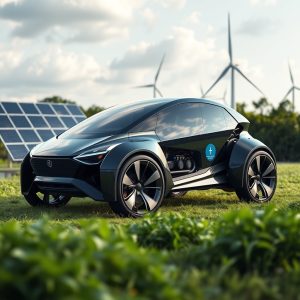
The Invisible Latticework: How Bidirectional Charging and Circular Material Economy Are Crafting the Self-Sustaining EV Ecosystem
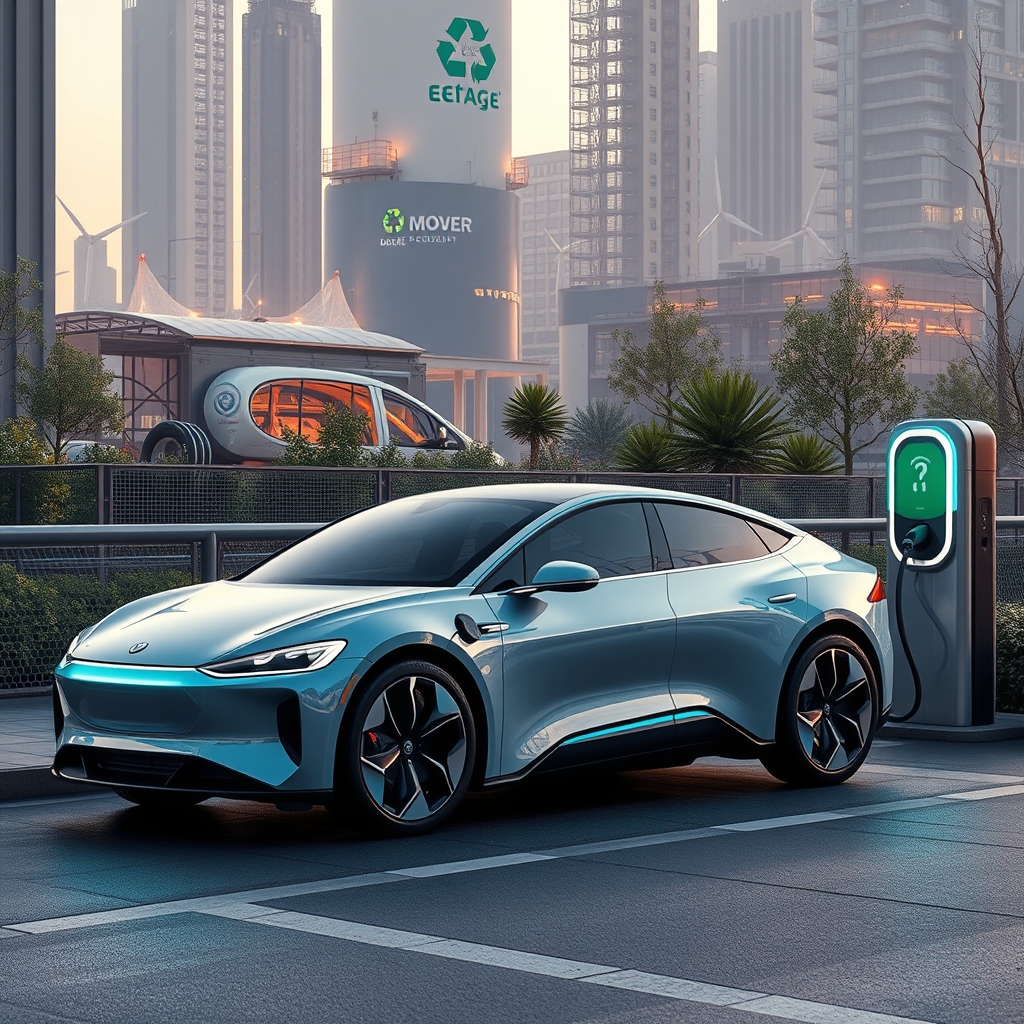
The electric vehicle (EV) revolution is no longer just about replacing internal combustion engines with batteries. It’s about reimagining the entire automotive ecosystem—from how energy flows to how materials are sourced, used, and reused. At the heart of this transformation lies a powerful synergy between bidirectional charging and the circular material economy, two innovations that are quietly weaving an invisible latticework of sustainability, resilience, and intelligence into the fabric of mobility.
The Energy Loop: Bidirectional Charging as the Backbone of a Self-Sustaining Grid
For decades, energy has been a one-way street—generated at power plants, transmitted through grids, and consumed by vehicles. But what if your car could do more than just draw power? What if it could also give it back?
Bidirectional charging, often referred to as vehicle-to-grid (V2G) or vehicle-to-everything (V2X) technology, turns EVs into mobile energy storage units. When plugged in, these vehicles can feed excess energy back into the grid during peak demand, stabilize local power networks, or even power homes during outages. Imagine a fleet of parked EVs acting as a distributed battery, smoothing out the intermittency of renewable energy sources like solar and wind. This isn’t a distant dream—it’s already being tested in pilot projects worldwide, from Nissan’s V2G trials in Europe to Ford’s F-150 Lightning, which can power a home for days during emergencies.
The implications are profound. Bidirectional charging doesn’t just reduce strain on the grid; it transforms EVs into active participants in the energy ecosystem. By 2030, the International Energy Agency (IEA) estimates that EVs could store up to 10% of global electricity demand, turning them into a critical buffer for a grid increasingly reliant on renewables. This shift also opens new revenue streams for EV owners, who could earn money by selling stored energy back to utilities—a concept known as energy arbitrage.
Beyond the Grid: Vehicle-to-Home and Vehicle-to-Load
While V2G is the most talked-about application, bidirectional charging’s potential extends further. Vehicle-to-home (V2H) technology allows EVs to power households directly, reducing reliance on the grid during peak hours or blackouts. Meanwhile, vehicle-to-load (V2L) enables EVs to act as portable power banks, charging everything from electric bikes to construction tools. Picture a worksite where an EV powers tools during the day, then recharges overnight using off-peak electricity—eliminating the need for diesel generators and slashing emissions.
This flexibility is particularly valuable in regions with unreliable grids or high energy costs. In Japan, for example, Mitsubishi’s Outlander PHEV has been used to power homes after natural disasters, showcasing how bidirectional charging can enhance resilience in the face of climate change. As extreme weather events become more frequent, the ability to decentralize energy storage could be a game-changer for communities worldwide.
The Material Loop: How the Circular Economy is Redefining Automotive Manufacturing
While bidirectional charging reimagines energy flow, the circular material economy is revolutionizing how vehicles are built, used, and recycled. The traditional linear model—take, make, waste—is being replaced by a closed-loop system where materials are continuously repurposed, reducing waste and minimizing environmental impact.
Automakers are already embracing this shift. Volvo, for instance, has committed to making 25% of the plastics in its new cars from recycled materials by 2025. BMW’s iVision Circular concept car takes this further, using 100% recycled or renewable materials, including aluminum, steel, and even the battery. The goal? A vehicle that generates zero waste at the end of its life, with every component designed for disassembly and reuse.
The Rise of Bio-Based and Recycled Materials
One of the most exciting developments in the circular economy is the use of bio-synthetic leather and other plant-based alternatives to traditional materials. Companies like MycoWorks and Bolt Threads are creating leather from mushroom mycelium and spider silk proteins, offering a cruelty-free, low-carbon alternative to animal hides. These materials aren’t just sustainable—they’re also high-performance, with properties that rival or exceed those of conventional leather.
Similarly, recycled carbon fiber is gaining traction as a lightweight, durable alternative to virgin materials. Carbon fiber is notoriously difficult to recycle, but companies like ELG Carbon Fibre are developing processes to recover and repurpose it, reducing both waste and the energy-intensive production of new carbon fiber. This is particularly valuable for EVs, where lightweight materials are critical for extending range and improving efficiency.
Designing for Disassembly: The Key to a Circular Future
The circular economy isn’t just about using recycled materials—it’s about designing products with their end-of-life in mind. This means creating vehicles that are easy to disassemble, with components that can be reused, remanufactured, or recycled. Tesla’s modular EV platforms, for example, are designed to accommodate different battery chemistries and body styles, making it easier to upgrade or repurpose components over time.
Automakers are also exploring battery recycling as a way to recover valuable materials like lithium, cobalt, and nickel. Redwood Materials, founded by Tesla co-founder JB Straubel, is leading the charge in this space, developing processes to extract and reuse up to 95% of these critical minerals. By closing the loop on battery materials, the industry can reduce its reliance on mining, lower costs, and minimize environmental harm.
The Synergy: How Bidirectional Charging and Circular Materials Create a Self-Sustaining Ecosystem
Individually, bidirectional charging and the circular material economy are powerful forces for change. Together, they form the foundation of a self-sustaining EV ecosystem—one where energy and materials flow in closed loops, minimizing waste and maximizing efficiency.
Consider this: An EV built with recycled carbon fiber and bio-synthetic leather not only reduces its environmental footprint but also becomes lighter and more energy-efficient. When paired with bidirectional charging, that same vehicle can store and redistribute renewable energy, further reducing its lifecycle emissions. Over time, as more EVs enter the market, this synergy could create a virtuous cycle—where cleaner materials enable smarter energy use, and smarter energy use reduces the demand for new materials.
This vision is already taking shape. In the Netherlands, a consortium of automakers, energy companies, and recycling firms is piloting a project called Circular Cars Initiative, which aims to create a fully circular automotive industry by 2050. Meanwhile, cities like Amsterdam and Copenhagen are integrating bidirectional charging into their smart grid strategies, turning EVs into active participants in the energy transition.
The Role of Policy and Consumer Behavior
For this ecosystem to thrive, however, it will require more than just technological innovation. Policymakers must create incentives for bidirectional charging, such as dynamic electricity pricing or tax breaks for V2G-enabled vehicles. Governments can also mandate recycled content in vehicles, as the European Union has done with its End-of-Life Vehicles Directive, which requires automakers to reuse or recycle 95% of a vehicle’s weight.
Consumer behavior will also play a crucial role. As awareness of sustainability grows, buyers are increasingly demanding transparency in supply chains and materials. Automakers that embrace circularity—by offering take-back programs, using recycled materials, or providing V2G capabilities—will gain a competitive edge in an evolving market.
The road ahead is not without challenges. Bidirectional charging requires standardized protocols to ensure compatibility across vehicles and grids, while the circular economy demands new business models that prioritize longevity and reuse over disposability. Yet, the potential rewards are immense: a transportation system that is not only zero-emission but also regenerative, giving back more than it takes. As these invisible threads of innovation intertwine, they are crafting a future where mobility is not just sustainable, but self-sustaining—a future where every journey leaves the world a little better than it found it.