The Dawn of the Software Defined Vehicle: Redefining Mobility
The automotive industry is undergoing its most profound transformation since the invention of the assembly line. No longer are vehicles merely mechanical marvels; they are becoming sophisticated, connected, and intelligent platforms, fundamentally redefined by code. This seismic shift is encapsulated by the rise of the Software Defined Vehicle (SDV), a paradigm where the car’s capabilities, performance, and user experience are primarily shaped, enhanced, and updated through software rather than solely hardware. This evolution promises a future of unprecedented personalization, efficiency, and safety, weaving together a tapestry of advanced technologies that are reshaping our relationship with transportation.
The Brains Behind the Wheels: Software Defined Vehicles
At its core, an SDV is a computer on wheels, equipped with powerful processors, vast amounts of data, and intricate algorithms that dictate everything from driving dynamics to infotainment. This software-centric approach allows for continuous improvement and feature additions throughout the vehicle’s lifecycle, much like a smartphone. Imagine your car gaining new safety features or performance enhancements overnight, delivered seamlessly through over-the-air (OTA) updates. This flexibility is the cornerstone of the SDV revolution, enabling rapid innovation and customization.
Autonomous Driving: A Software Symphony
One of the most compelling applications of the SDV concept is the acceleration of autonomous driving capabilities. True self-driving requires an immense amount of computational power and sophisticated software to interpret sensor data, predict road conditions, and make instantaneous decisions. In an SDV, these complex algorithms can be continuously refined and updated, allowing vehicles to learn and improve their autonomous functions over time. This iterative development cycle is crucial for achieving higher levels of autonomy, making our roads safer and commutes more productive as the software symphony conducts the journey.
A Personalized Journey: In-Cabin Intelligence
Beyond the mechanics of driving, SDVs are transforming the in-cabin experience. Advanced In-Cabin Intelligence systems leverage AI and machine learning to understand driver and passenger preferences, adapting everything from climate control and seating positions to infotainment and ambient lighting. These systems can learn routines, anticipate needs, and even monitor driver alertness, providing a truly personalized and intuitive environment. Imagine your car greeting you with your favorite playlist, pre-heating the cabin to your preferred temperature, and suggesting the fastest route based on real-time traffic and your calendar – all powered by intelligent software.
Powering the Future: Beyond the Drivetrain
While software defines the experience, the underlying hardware and infrastructure are equally crucial for realizing the SDV’s full potential. The transition to electric vehicles (EVs) provides the perfect platform for these advancements, demanding innovative solutions for power delivery and connectivity.
The 800-Volt Revolution and Ultra-Fast Charging
For EVs, charging speed and efficiency are paramount. The adoption of 800 Volt Architecture is a game-changer, enabling Ultra Fast Charging capabilities that significantly reduce downtime. This higher voltage system allows for thinner wiring, reducing weight and cost, while simultaneously enhancing power delivery. For an SDV, which relies on being consistently powered and connected, the ability to quickly replenish its energy reserves is not just a convenience but a necessity, ensuring continuous operation for all its advanced features.
Connectivity Redefined: Vehicle-to-Everything (V2X)
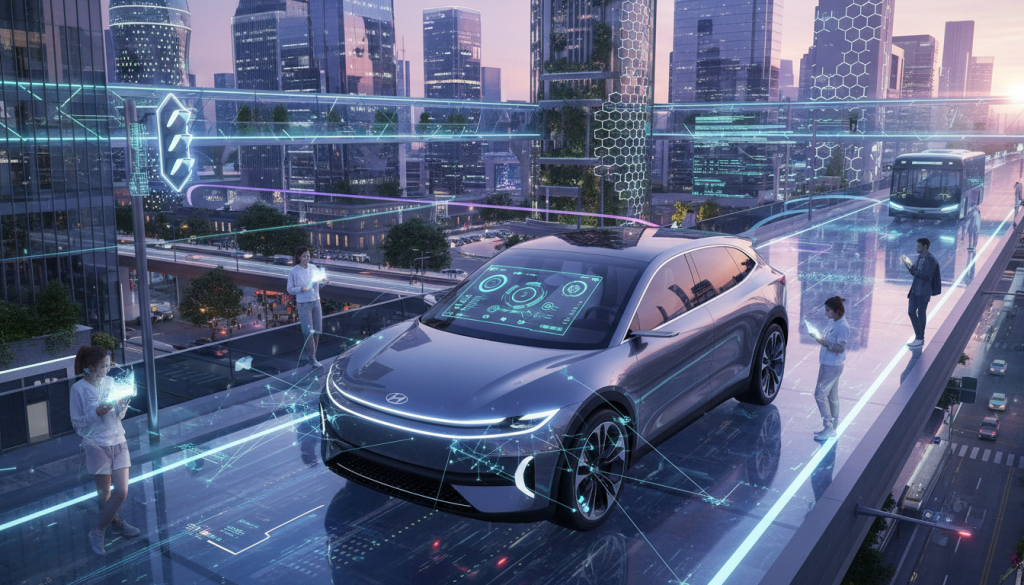
SDVs are not isolated entities; they are integral nodes in a vast, interconnected ecosystem. Vehicle-to-Everything (V2X) communication allows cars to talk to other vehicles (V2V), infrastructure (V2I), pedestrians (V2P), and the grid (V2G). This constant exchange of data enhances safety by warning drivers of impending hazards, optimizes traffic flow, and even facilitates smart city initiatives. For autonomous SDVs, V2X provides a crucial layer of situational awareness, allowing them to perceive and react to conditions beyond their immediate sensor range, creating a more cohesive and efficient transportation network.
Building Tomorrow’s Fleet: Modularity and Sustainability
The rapid pace of innovation demanded by SDVs necessitates flexible manufacturing and a commitment to environmental responsibility.
Modular EV Platforms: The Foundation of Innovation
To keep up with software-driven iterations and diverse market demands, manufacturers are increasingly relying on Modular EV Platforms. These scalable architectures allow different vehicle types – from sedans to SUVs to commercial vans – to be built upon a common foundation, sharing components and software modules. This approach reduces development costs and time, enabling companies to quickly bring new SDV models to market and adapt to evolving consumer preferences and technological advancements.
A Conscientious Drive: Sustainable Supply Chains and Circular Economy
As vehicles become more technologically advanced, the importance of their environmental footprint grows. Sustainable Supply Chains are becoming critical, ensuring that raw materials are sourced responsibly and manufacturing processes minimize waste and emissions. Furthermore, the principles of a Circular Material Economy are gaining traction, focusing on designing vehicles for longevity, repairability, and ultimately, the recycling and reuse of components. This holistic approach ensures that the advanced capabilities of SDVs are matched by a commitment to planetary well-being, from concept to end-of-life.
The Road Ahead: Predictive Intelligence and Continuous Evolution
The journey of the SDV is one of continuous improvement, driven by intelligent systems that anticipate needs and prevent issues.
Predictive Maintenance AI: Keeping the Wheels Turning
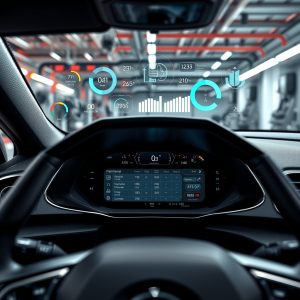
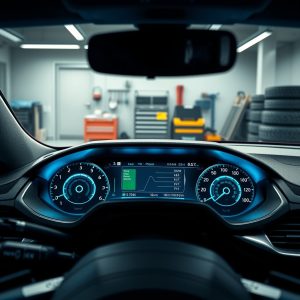
With countless sensors and sophisticated software, SDVs generate vast amounts of operational data. Predictive Maintenance AI leverages this data to monitor the health of various vehicle components in real-time, anticipating potential failures before they occur. This allows for proactive servicing, reducing unexpected breakdowns, extending vehicle lifespan, and optimizing maintenance schedules. For fleet operators and individual owners alike, this translates to greater reliability, lower running costs, and enhanced safety, ensuring that the software-defined experience remains seamless and uninterrupted.
The Software Defined Vehicle represents more than just a technological upgrade; it’s a fundamental shift in how we conceive, build, and interact with our cars. It’s a future where your vehicle is not a static product but a dynamic, evolving partner, continuously improving, adapting, and integrating into your life and the broader ecosystem. As these intelligent machines become increasingly sophisticated, their ability to enhance safety, personalize experiences, and contribute to a more sustainable world will continue to unfold, promising a truly transformative era for mobility that is always learning, always connected, and always evolving.