
The Silent Evolution: How Autonomous Driving and 800 Volt Architecture Are Redefining the Road Ahead
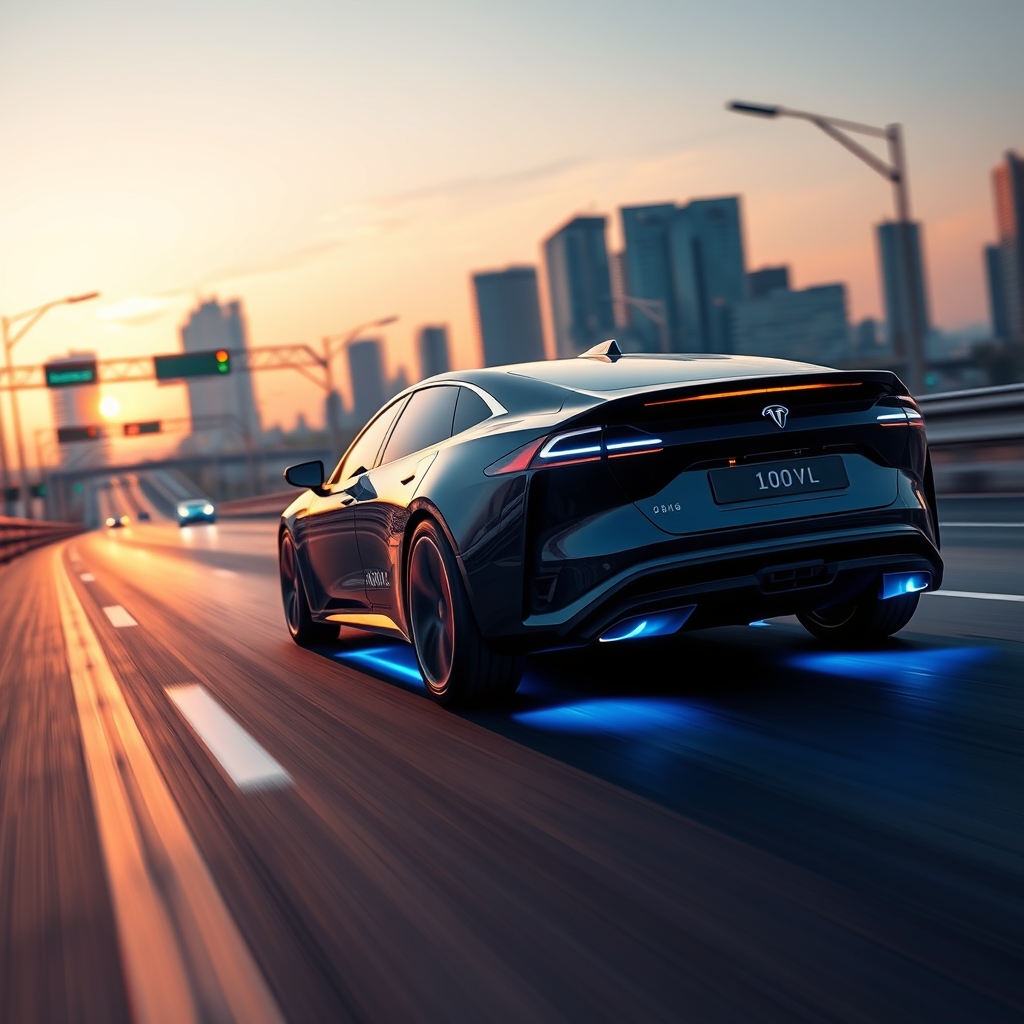
The automotive industry is undergoing a transformation so profound that it feels less like an evolution and more like a revolution. At the heart of this shift are two groundbreaking technologies: autonomous driving and 800-volt architecture. Together, they are not just redefining what vehicles can do but are also reshaping our relationship with mobility itself. The road ahead is no longer just a path from point A to point B; it’s a dynamic, intelligent network where cars are no longer mere machines but sophisticated nodes in a broader ecosystem of connectivity and sustainability.
The Rise of Autonomous Driving: Beyond the Hype
Autonomous driving has long been heralded as the future of transportation, but the reality is that it’s already here—just not in the way many expected. The journey toward fully self-driving cars has been incremental, with each level of autonomy bringing us closer to a world where human intervention is optional. Today, Level 2 and Level 3 autonomy are becoming commonplace, offering features like adaptive cruise control, lane-keeping assistance, and automated parking. These systems are not just conveniences; they are the building blocks of a safer, more efficient transportation network.
What makes autonomous driving truly revolutionary is its potential to eliminate human error, which is responsible for over 90% of road accidents. By leveraging advanced sensors, LiDAR, radar, and AI-driven decision-making, autonomous vehicles can perceive their surroundings with a level of precision that far surpasses human capabilities. This isn’t just about avoiding collisions; it’s about optimizing traffic flow, reducing congestion, and even lowering emissions by minimizing idle time and inefficient driving patterns. The implications for urban mobility are staggering, with the potential to transform cities into smarter, more livable spaces.
The Role of AI in Predictive Decision-Making
At the core of autonomous driving is artificial intelligence, which processes vast amounts of data in real-time to make split-second decisions. Predictive maintenance AI takes this a step further by not only ensuring the vehicle operates safely but also anticipating potential issues before they arise. Imagine a car that can detect a failing brake system or a degrading battery cell days before it becomes a problem. This level of foresight doesn’t just enhance safety; it extends the lifespan of the vehicle and reduces maintenance costs, making mobility more affordable and sustainable in the long run.
The Power of 800 Volt Architecture: Charging the Future
While autonomous driving captures the imagination, the unsung hero of the electric vehicle revolution is the 800-volt architecture. This technology is the backbone of ultra-fast charging, enabling EVs to recharge in a fraction of the time required by traditional 400-volt systems. For context, an 800-volt system can deliver up to 350 kW of power, allowing a vehicle to gain hundreds of miles of range in just 15 to 20 minutes. This isn’t just a convenience; it’s a game-changer for long-distance travel and commercial fleets, where downtime is a critical factor.
The benefits of 800-volt architecture extend beyond charging speed. Higher voltage systems are more efficient, reducing energy loss during transmission and improving overall vehicle performance. They also enable lighter wiring and more compact components, which can contribute to better aerodynamics and increased range. Moreover, this architecture is a key enabler for bidirectional charging, a technology that allows EVs to not only draw power from the grid but also feed it back. This capability turns vehicles into mobile energy storage units, capable of powering homes, businesses, or even stabilizing the grid during peak demand.
Synergies with Other Innovations
The 800-volt architecture doesn’t operate in isolation. It complements other cutting-edge technologies, such as solid-state batteries and hydrogen fuel cells, to create a more robust and versatile energy ecosystem. For instance, solid-state batteries, which promise higher energy density and faster charging, are ideally suited for high-voltage systems. Similarly, hydrogen fuel cells, which offer rapid refueling and long-range capabilities, can benefit from the efficiency gains provided by 800-volt architecture. Together, these technologies are paving the way for a future where energy is not just clean but also incredibly efficient and adaptable.
The Broader Implications: A Connected Ecosystem
The convergence of autonomous driving and 800-volt architecture is more than the sum of its parts. It represents a shift toward a connected, intelligent mobility ecosystem where vehicles, infrastructure, and energy systems work in harmony. Vehicle-to-Everything (V2X) technology, for example, allows cars to communicate with traffic lights, road sensors, and other vehicles, creating a seamless flow of information that enhances safety and efficiency. This level of connectivity is the foundation of smart cities, where mobility is not just autonomous but also integrated into the broader urban fabric.
Sustainability is another critical dimension of this evolution. Autonomous vehicles can optimize routes to reduce fuel consumption, while 800-volt architecture enables faster adoption of renewable energy sources by making EVs more practical for everyday use. Additionally, the modular EV platforms that underpin many of these innovations allow for greater flexibility in design and manufacturing, supporting the circular material economy by making it easier to reuse and recycle components. The result is a mobility ecosystem that is not only smarter but also greener.
As we stand on the brink of this new era, it’s clear that the future of mobility is not just about getting from one place to another. It’s about reimagining the entire journey—how we move, how we power our vehicles, and how we interact with the world around us. The road ahead is not just a path; it’s a network of possibilities, where every mile driven is a step toward a more connected, sustainable, and intelligent future. The silent evolution is already underway, and its impact will be felt for generations to come.