The Invisible Shift: How Predictive Maintenance AI and Ultra-Fast Charging Are Crafting the Self-Optimizing Electric Vehicle
The automotive industry is undergoing a seismic transformation, one where vehicles are no longer just machines but intelligent, self-optimizing entities. At the heart of this evolution lies the fusion of predictive maintenance AI and ultra-fast charging, two technologies that are redefining reliability, efficiency, and the very essence of mobility. Together, they are crafting a future where breakdowns are predicted before they happen, and charging is as seamless as refueling a conventional car.
The AI Guardian: Predictive Maintenance in the Age of Software-Defined Vehicles
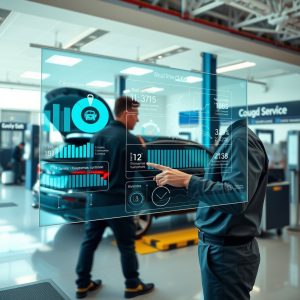
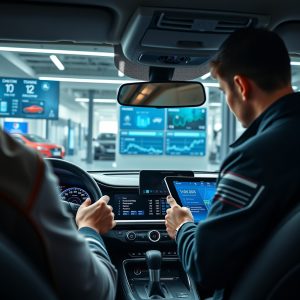
Gone are the days when vehicle maintenance was a reactive process, relying on scheduled check-ups or, worse, unexpected failures. Today, predictive maintenance AI is turning vehicles into proactive guardians of their own health. By leveraging machine learning algorithms and real-time data from an array of sensors, these systems can detect anomalies in everything from battery performance to brake wear, often before the driver even notices a change.
For instance, AI can analyze vibration patterns in a motor to predict bearing failure weeks in advance, or monitor battery cell degradation to recommend optimal charging cycles. This isn’t just about preventing inconvenient breakdowns—it’s about extending the lifespan of critical components, reducing ownership costs, and minimizing waste. In the context of software-defined vehicles (SDVs), where over-the-air updates can continuously improve performance, predictive maintenance becomes a dynamic, evolving process. The vehicle doesn’t just adapt to its environment; it learns from it, refining its own operations in real time.
The Role of Big Data and Connectivity
The power of predictive maintenance AI lies in its ability to process vast amounts of data. Modern vehicles are equipped with hundreds of sensors that generate terabytes of information during a single trip. When aggregated across millions of vehicles, this data becomes a goldmine for AI models, enabling them to identify patterns and predict failures with unprecedented accuracy. For example, if a particular model of electric vehicle (EV) consistently shows accelerated tire wear in urban environments, AI can flag this trend and recommend preemptive replacements or even adjust driving modes to mitigate the issue.
Moreover, connectivity plays a crucial role. With Vehicle-to-Everything (V2X) technology, vehicles can communicate not only with each other but also with infrastructure like traffic lights and charging stations. This creates a feedback loop where AI can factor in external conditions—such as road quality or weather—to further refine its predictions. The result is a vehicle that doesn’t just react to its surroundings but anticipates them.
The Charging Revolution: Ultra-Fast Charging and the 800-Volt Architecture
While predictive maintenance ensures vehicles remain in peak condition, ultra-fast charging is addressing one of the most persistent barriers to EV adoption: range anxiety. Traditional charging infrastructure, with its hour-long wait times, has long been a pain point for drivers. However, advancements in 800-volt architecture are changing the game, enabling charging speeds that rival the convenience of gasoline refueling.
An 800-volt system reduces resistive losses in the vehicle’s electrical system, allowing for higher power transfer without excessive heat generation. This means an EV can gain up to 200 miles of range in just 10-15 minutes at a compatible charging station. Companies like Porsche, Hyundai, and Lucid have already embraced this technology, demonstrating its potential to make long-distance EV travel as practical as it is sustainable. When paired with liquid-cooled charging cables, these systems can deliver even higher power levels, further reducing charging times.
The Synergy with Predictive Maintenance
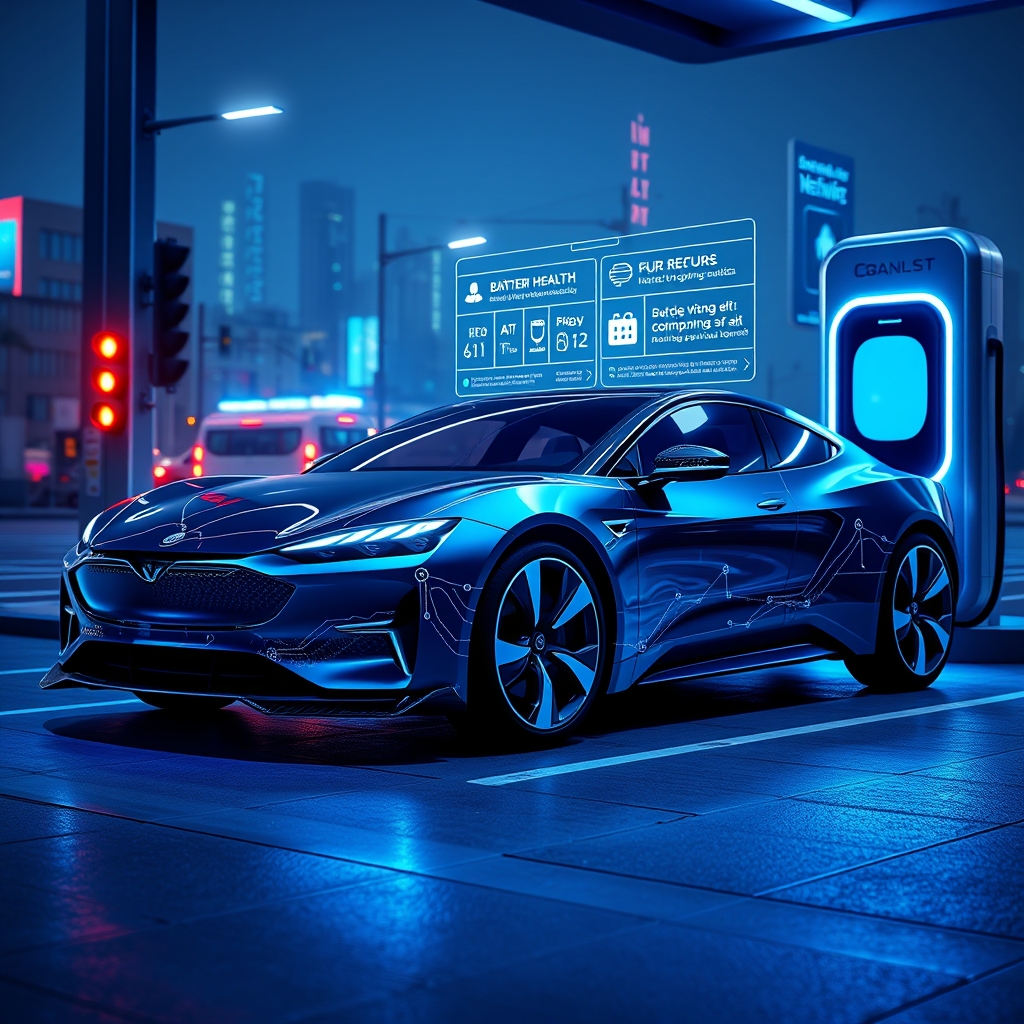
The marriage of ultra-fast charging and predictive maintenance AI creates a virtuous cycle. AI can optimize charging sessions based on the vehicle’s current state of health, ensuring that the battery is charged in a way that maximizes its longevity. For example, if the AI detects that the battery is operating at a higher temperature than usual, it can adjust the charging rate to prevent overheating, even if it means a slightly longer session. Conversely, if the vehicle is in urgent need of a charge, the AI can prioritize speed while still safeguarding the battery’s long-term health.
Additionally, predictive maintenance can help charging infrastructure itself. By analyzing usage patterns and wear data from charging stations, AI can predict when a station is likely to fail or require maintenance, ensuring that drivers always have access to reliable charging. This is particularly critical as the adoption of EVs accelerates, and the demand for charging infrastructure grows.
The Broader Implications: Sustainability and the Circular Economy
The impact of these technologies extends far beyond individual vehicles. Predictive maintenance reduces the need for premature part replacements, cutting down on waste and the demand for raw materials. This aligns perfectly with the principles of the circular material economy, where resources are reused, recycled, or repurposed to minimize environmental impact. For instance, a battery that lasts longer due to optimized charging and maintenance can be repurposed for secondary applications, such as energy storage, before being recycled at the end of its life.
Ultra-fast charging, meanwhile, accelerates the transition to electric mobility by making EVs more convenient and accessible. This, in turn, reduces reliance on fossil fuels and lowers greenhouse gas emissions. When combined with renewable energy sources, such as solar or wind power, ultra-fast charging stations can become part of a fully sustainable energy ecosystem. Some forward-thinking companies are even exploring bidirectional charging, where EVs can feed energy back into the grid during peak demand, turning vehicles into mobile energy storage units.
The Future of Mobility: Intelligence Meets Efficiency
As these technologies mature, they are paving the way for a new era of mobility—one where vehicles are not just tools but intelligent partners in the journey. Imagine an EV that not only predicts when it needs maintenance but also schedules its own service appointments, routes itself to the nearest charging station when its battery is low, and even adjusts its driving style to conserve energy based on real-time traffic and weather conditions. This is the promise of the self-optimizing vehicle, a concept that is rapidly becoming a reality.
The road ahead is not without challenges. Scaling ultra-fast charging infrastructure will require significant investment, and the integration of AI into vehicles raises important questions about data privacy and security. However, the potential benefits—reduced emissions, lower costs, and a more sustainable future—are too significant to ignore. As predictive maintenance AI and ultra-fast charging continue to evolve, they will not only redefine the driving experience but also reshape the very fabric of our transportation systems. The vehicles of tomorrow will be smarter, more efficient, and more connected than ever before, and the journey has only just begun.