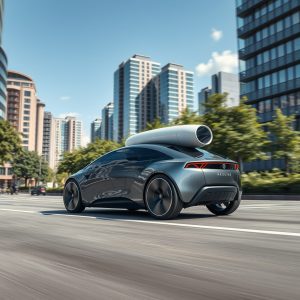
The Invisible Engine: How Ultra-Fast Charging and In-Cabin Intelligence Are Crafting the Next Era of Effortless Mobility
The electric vehicle (EV) revolution is no longer just about replacing the internal combustion engine with a battery. It’s about reimagining the entire driving experience—where convenience, intelligence, and sustainability converge to create something far greater than the sum of its parts. At the heart of this transformation lies a powerful duo: ultra-fast charging and in-cabin intelligence. Together, they are dismantling the last barriers to seamless mobility, turning what was once a chore into an experience that feels almost magical.
The Charging Revolution: From Hours to Minutes
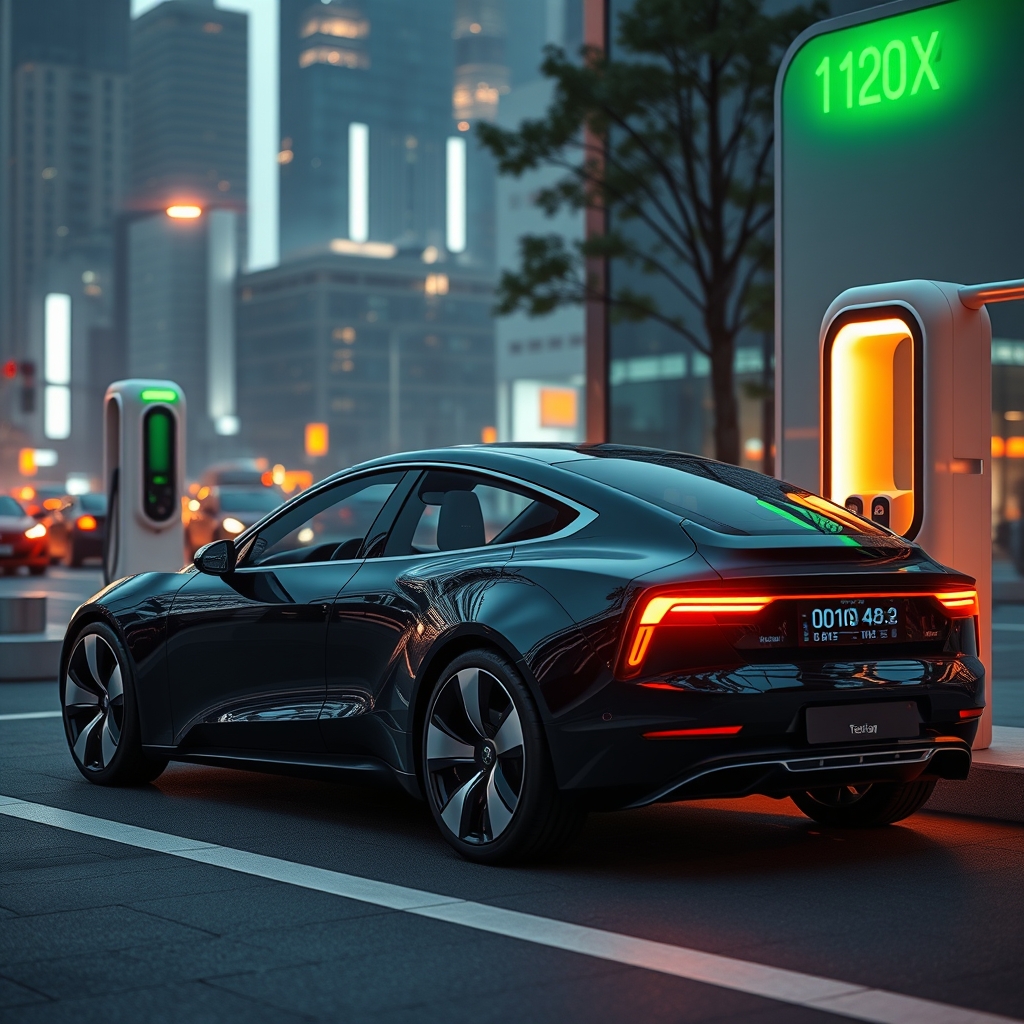
For years, one of the biggest hurdles to EV adoption has been charging anxiety—the fear of running out of power with no fast-charging station in sight. But what if recharging your car took no longer than filling up a gas tank? That’s the promise of ultra-fast charging, a technology that is rapidly reshaping the EV landscape. With 800-volt architecture as its backbone, ultra-fast charging systems can now deliver up to 350 kW of power, replenishing an EV’s battery from 10% to 80% in as little as 15 minutes.
This isn’t just a incremental improvement—it’s a paradigm shift. Imagine pulling into a charging station, plugging in, and stepping out for a coffee, only to return to a car that’s nearly fully charged. The infrastructure is already expanding, with networks like Ionity, Electrify America, and Tesla’s Supercharger V3 leading the charge (literally). But the real game-changer lies in how this technology integrates with the broader energy ecosystem. Bidirectional charging allows EVs to not only draw power but also feed it back into the grid, turning every vehicle into a potential energy storage unit. During peak demand, your car could power your home, or even sell excess energy back to the utility company, creating a dynamic, decentralized energy network.
The Rise of the Sentient Cabin: When Your Car Knows You Better Than You Know Yourself
While ultra-fast charging is transforming the external experience of EV ownership, in-cabin intelligence is revolutionizing the interior. Gone are the days when a car’s interior was just a static space of leather, plastic, and dials. Today’s EVs are becoming software-defined vehicles, where the cabin is a living, breathing extension of the driver’s digital life. Powered by advanced AI, these systems learn your habits, anticipate your needs, and adapt to your preferences in real time.
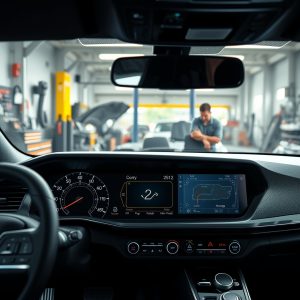
Consider the possibilities: Your car detects that you’re running late for a meeting and automatically adjusts your route to avoid traffic, while simultaneously notifying your colleagues via a seamless integration with your calendar. It senses that you’re stressed—perhaps through biometric sensors in the steering wheel—and adjusts the lighting, plays calming music, or even suggests a quick meditation session. The smart glass roof dims or brightens based on the time of day, while predictive maintenance AI monitors the vehicle’s health, scheduling service appointments before a problem even arises.
But in-cabin intelligence goes beyond mere convenience. It’s about creating a symbiotic relationship between the driver and the vehicle. Voice assistants like Mercedes-Benz’s MBUX or BMW’s Intelligent Personal Assistant are evolving into true co-pilots, capable of understanding natural language, context, and even emotion. They don’t just respond to commands—they engage in conversations, offer suggestions, and learn from every interaction. The cabin of the future isn’t just smart; it’s intuitive.
The Synergy of Speed and Intelligence
The true magic happens when ultra-fast charging and in-cabin intelligence work in tandem. Picture this: You’re on a road trip, and your car’s AI detects that your battery is running low. It doesn’t just alert you—it takes action. Using real-time data from the charging network, it reroutes you to the nearest ultra-fast charging station, reserves a spot, and even pre-conditions your battery to optimize charging speed. While you’re plugged in, the AI suggests nearby attractions, orders your favorite meal for pickup, and adjusts the cabin temperature to your preferred setting before you return. By the time you’re back in the driver’s seat, your car is charged, your stomach is full, and you’re ready to hit the road again—all with minimal effort on your part.
This synergy extends beyond the individual driver. In a world where vehicle-to-everything (V2X) communication is becoming a reality, your car isn’t just interacting with you—it’s communicating with traffic lights, other vehicles, and even city infrastructure. Imagine an urban environment where traffic flows seamlessly because every car, traffic signal, and pedestrian crossing is part of a single, intelligent network. Your EV doesn’t just avoid accidents; it helps prevent them by sharing data with nearby vehicles, creating a safer, more efficient driving ecosystem.
The Sustainable Edge: Efficiency Meets Intelligence
At its core, this evolution isn’t just about convenience—it’s about sustainability. Ultra-fast charging reduces downtime, making EVs more practical for long-distance travel and commercial fleets, thereby accelerating the transition away from fossil fuels. Meanwhile, in-cabin intelligence optimizes energy usage, from adjusting climate control based on occupancy to suggesting the most efficient routes. When combined with regenerative braking systems and aerodynamic efficiency enhancements, these technologies significantly extend the range of EVs, reducing the need for frequent charging and lowering the overall carbon footprint.
Moreover, the shift toward circular material economies ensures that the materials used in these advanced systems—from carbon fiber chassis to bio-synthetic leather—are sourced, used, and recycled in ways that minimize environmental impact. The future of mobility isn’t just electric; it’s holistic, considering every aspect of the vehicle’s lifecycle from design to disposal.
The Road Ahead: A Seamless, Intelligent Future
The convergence of ultra-fast charging and in-cabin intelligence is more than just a technological leap—it’s a cultural shift. It’s about moving from a world where driving is a task to one where it’s an experience, where every journey is optimized for comfort, efficiency, and sustainability. As these technologies continue to evolve, they will blur the lines between the digital and physical worlds, creating a mobility ecosystem that is as intuitive as it is powerful.
We are standing on the brink of a new era, one where the car is no longer just a mode of transport but a trusted companion, a mobile office, a sanctuary, and a node in a vast, intelligent network. The road ahead isn’t just about getting from point A to point B—it’s about redefining what it means to move through the world, effortlessly and intelligently, with every mile bringing us closer to a future that is as sustainable as it is seamless.