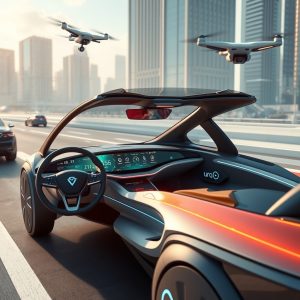
The Next Frontier: How In-Cabin Intelligence and Predictive Maintenance AI Are Redefining the Driving Experience
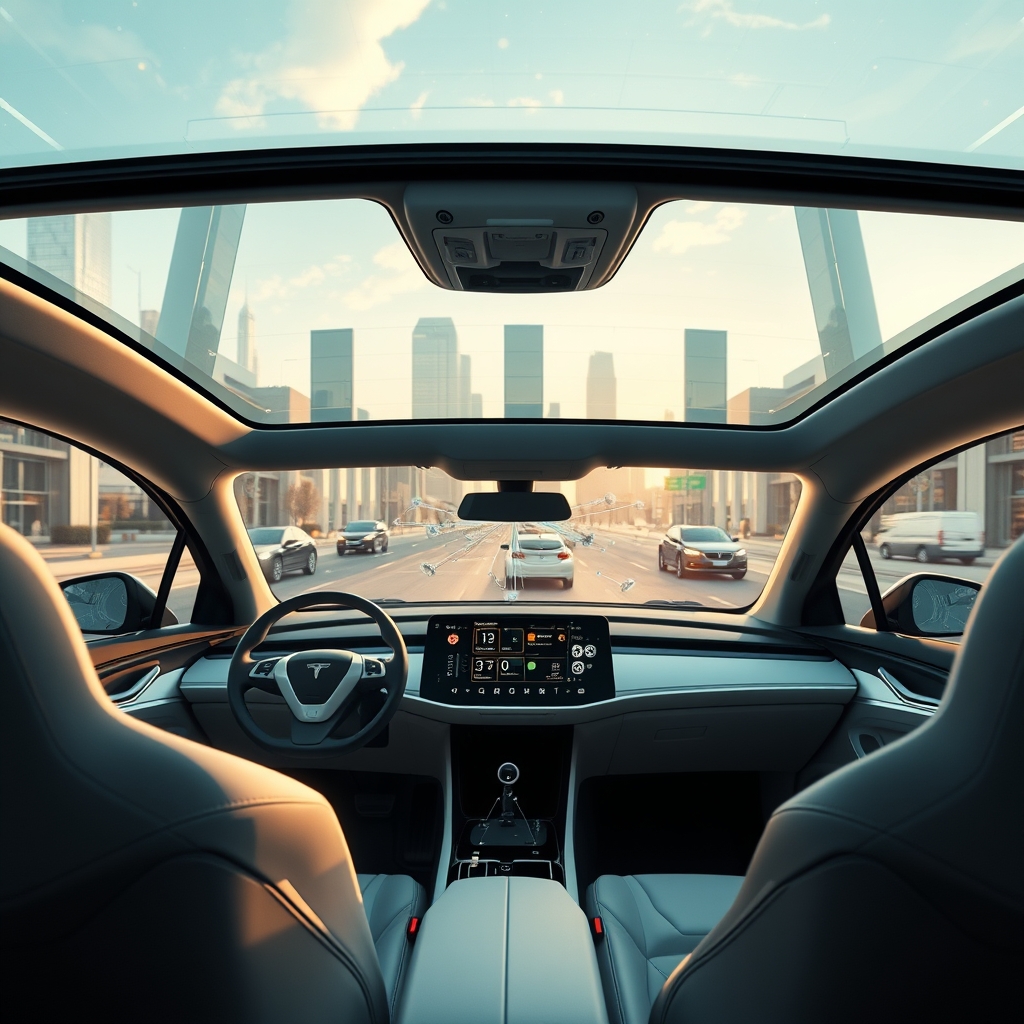
The automotive industry is undergoing a seismic shift, moving beyond mechanical innovation to embrace a future where intelligence and connectivity redefine the very essence of mobility. At the heart of this transformation lies in-cabin intelligence and predictive maintenance AI, two technologies that are not just enhancing the driving experience but fundamentally altering how we interact with our vehicles. These advancements are turning cars into proactive companions, capable of anticipating needs, preventing failures, and creating a seamless, personalized journey for every occupant.
The Rise of In-Cabin Intelligence
In-cabin intelligence represents a paradigm shift from traditional vehicle interfaces to dynamic, context-aware ecosystems. Gone are the days when a car’s interior was merely a static space designed for driving. Today, it is evolving into a smart environment that adapts to the driver’s preferences, mood, and even physiological state. Advanced sensors, voice recognition, and machine learning algorithms work in tandem to create a responsive and intuitive cabin that feels almost alive.
One of the most compelling aspects of in-cabin intelligence is its ability to personalize the driving experience. Imagine stepping into your vehicle, and the system instantly adjusts the seat position, climate control, and ambient lighting to your liking. It recognizes your voice, plays your favorite playlist, and even suggests the optimal route based on your schedule and traffic conditions. This level of customization is made possible by integrating AI-driven assistants that learn from user behavior, refining their responses over time to better align with individual preferences.
Beyond Comfort: Safety and Well-Being
In-cabin intelligence is not just about comfort; it is also a critical component of modern vehicle safety. Advanced driver monitoring systems (DMS) use cameras and sensors to detect signs of fatigue, distraction, or stress. If the system senses that the driver is drowsy, it can issue alerts, suggest taking a break, or even adjust the cabin environment to promote alertness—such as increasing airflow or playing energizing music. These features are particularly valuable in an era where autonomous driving is still in its infancy, and human oversight remains essential.
Moreover, in-cabin intelligence extends to passenger well-being. For instance, smart air purification systems can monitor and adjust air quality in real-time, filtering out pollutants and allergens. Some vehicles are even exploring biometric feedback, such as heart rate monitoring, to tailor the cabin environment to the occupants’ physiological needs. This holistic approach to in-cabin experience ensures that the vehicle is not just a mode of transport but a sanctuary that prioritizes health and comfort.
The Power of Predictive Maintenance AI
While in-cabin intelligence focuses on enhancing the user experience, predictive maintenance AI is revolutionizing the way we care for our vehicles. Traditionally, vehicle maintenance has been reactive—addressing issues only after they arise. This approach is not only inconvenient but can also lead to costly repairs and unexpected breakdowns. Predictive maintenance flips this model on its head by leveraging AI and real-time data to anticipate potential failures before they occur.
At the core of predictive maintenance is a network of sensors embedded throughout the vehicle, continuously monitoring critical components such as the battery, brakes, tires, and engine. These sensors collect vast amounts of data, which is then analyzed by AI algorithms to detect patterns and anomalies. For example, if the system notices unusual vibrations in the brake system or a gradual decline in battery performance, it can alert the driver and recommend preventive action before a minor issue escalates into a major problem.
Extending Vehicle Lifespan and Reducing Costs
The benefits of predictive maintenance extend beyond convenience. By identifying potential issues early, it significantly reduces the risk of catastrophic failures, thereby extending the lifespan of the vehicle. This is particularly valuable in the context of electric vehicles (EVs), where battery degradation is a key concern. Predictive maintenance can monitor battery health in real-time, providing insights into charging habits, temperature management, and overall performance. This data empowers drivers to optimize their charging routines and maintenance schedules, ensuring that their EV remains efficient and reliable for years to come.
From a cost perspective, predictive maintenance is a game-changer. Unexpected repairs can be a financial burden, especially for high-tech vehicles equipped with advanced components like solid-state batteries or 800-volt architectures. By addressing issues proactively, drivers can avoid expensive repairs and minimize downtime. Additionally, predictive maintenance can reduce warranty claims and improve customer satisfaction, making it a win-win for both consumers and manufacturers.
The Synergy of Intelligence and Connectivity
The true potential of in-cabin intelligence and predictive maintenance AI is unlocked when these technologies converge with broader connectivity solutions. Vehicle-to-Everything (V2X) communication, for instance, allows vehicles to exchange data with infrastructure, other cars, and even pedestrians. This connectivity enables predictive maintenance systems to access real-time traffic and environmental data, further refining their ability to anticipate issues. For example, if a vehicle detects icy road conditions ahead, it can adjust its predictive maintenance alerts to account for increased strain on the braking system.
Similarly, in-cabin intelligence can leverage V2X data to enhance the driving experience. A connected vehicle can receive updates about road closures, weather conditions, or nearby charging stations, and relay this information to the driver in a seamless, non-intrusive manner. This integration creates a holistic ecosystem where the vehicle is not just a standalone entity but a node in a larger, intelligent network.
Sustainability and the Circular Economy
Beyond performance and convenience, these technologies also play a pivotal role in advancing sustainability. Predictive maintenance reduces waste by ensuring that components are used efficiently and replaced only when necessary. This aligns with the principles of the circular material economy, where resources are maximized, and waste is minimized. For instance, by extending the lifespan of an EV battery through proactive maintenance, we reduce the need for raw materials and lower the environmental impact of battery production.
In-cabin intelligence also contributes to sustainability by optimizing energy consumption. Smart climate control systems, for example, can adjust heating and cooling based on occupancy and external conditions, reducing the energy load on the vehicle’s battery. This not only enhances efficiency but also supports the broader goal of creating a more sustainable mobility ecosystem.
As we stand on the brink of a new era in automotive technology, the fusion of in-cabin intelligence and predictive maintenance AI is redefining what it means to drive. These innovations are transforming vehicles from mere machines into intelligent partners that anticipate our needs, safeguard our journeys, and adapt to our lifestyles. The road ahead is not just about getting from point A to point B; it is about creating an experience that is safer, smarter, and more sustainable. The cars of tomorrow are not just built to move us—they are built to understand us, and in doing so, they are paving the way for a future where mobility is as intuitive as it is revolutionary.