The Road Ahead: Navigating the Future of Automotive Innovation

The automotive industry stands on the precipice of its most profound transformation yet. Far from just incremental improvements, we are witnessing a fundamental reimagining of how vehicles are powered, driven, and integrated into our daily lives. This thrilling evolution is driven by groundbreaking advancements, with the expansion and sophistication of Electric Vehicle Infrastructure at its core, paving the way for a truly sustainable and intelligent future on our roads and beyond.
Powering Tomorrow’s Journeys: The Evolution of Electric Vehicle Infrastructure
The transition to electric mobility is undeniable, and robust Electric Vehicle Infrastructure is crucial for its widespread adoption. This isn’t just about more charging stations; it’s about faster, more accessible, and smarter energy solutions. Innovations like ultra-fast chargers and inductive charging pads are making range anxiety a relic of the past, supporting a seamless shift for drivers everywhere.
Underpinning this power revolution are advancements in battery technology. The promise of Solid State Batteries is particularly exciting, offering greater energy density, faster charging times, and enhanced safety compared to traditional lithium-ion cells. These breakthroughs will significantly extend vehicle range and reduce charging stops, making long-distance electric travel more practical.
Energy management is also evolving with innovations like Bidirectional Charging, allowing EVs to not only draw power from the grid but also feed electricity back into it. This capability transforms vehicles into mobile energy storage units, supporting grid stability and potentially lowering energy costs for owners. Furthermore, while electric vehicles dominate, Hydrogen Fuel Cells continue to be explored as a viable, zero-emission alternative, particularly for heavy-duty transport and regions where hydrogen infrastructure is developing.
Efficiency remains paramount, and technologies like advanced Regenerative Braking systems are constantly being refined. These systems capture kinetic energy typically lost during deceleration and convert it back into usable electricity, significantly extending range and reducing wear on conventional brakes. This synergy of power generation and recovery is key to maximizing energy utilization.
The Intelligent Machine: Autonomous Driving and Software Defined Vehicles
Beyond how they’re powered, cars are becoming increasingly intelligent. Autonomous Driving Systems are rapidly progressing, moving from advanced driver assistance features to truly self-driving capabilities. These systems leverage sophisticated sensors, AI, and real-time data to navigate complex environments, promising enhanced safety and efficiency on our roads.
The very architecture of vehicles is changing with the rise of Software Defined Vehicles. These cars are essentially computers on wheels, allowing for over-the-air updates, customizable features, and rapid innovation long after purchase. This shift enables manufacturers to deploy new functionalities and security patches with unprecedented speed, keeping vehicles current and capable.
Complementing full autonomy, Advanced Driver Assistance systems (ADAS) are becoming standard, offering features like adaptive cruise control, lane-keeping assist, and automatic emergency braking. These systems enhance safety and reduce driver fatigue, acting as a crucial bridge to fully autonomous operation. The entire experience is becoming a Connected Car Ecosystem, where vehicles communicate with each other, infrastructure, and the cloud, optimizing traffic flow and providing real-time information.
To accelerate development and ensure reliability, Digital Twin Engineering is gaining traction. This involves creating virtual replicas of vehicles and their components, allowing engineers to simulate performance, test designs, and predict maintenance needs in a virtual environment before physical production. This reduces development time and costs while improving quality.
Beyond the Drive: Enhanced Experiences and Sustainable Design
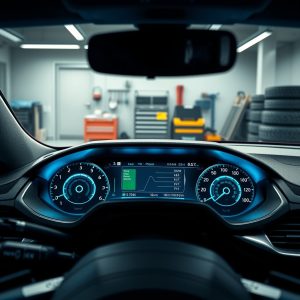
The in-cabin experience is also undergoing a revolution. Augmented Reality Dashboards are transforming how drivers interact with information, overlaying navigation directions, speed, and hazard warnings directly onto the road ahead. This intuitive display reduces distraction and enhances situational awareness, making driving safer and more engaging.
Access and personalization are evolving with technologies like Biometric Vehicle Access. Fingerprint scanners or facial recognition systems could replace traditional keys, offering enhanced security and personalized settings that adjust automatically for each driver. This creates a seamless and highly customized entry and driving experience.
Sustainability is no longer confined to the powertrain; it extends to every aspect of vehicle design. Sustainable Interiors are being crafted from recycled plastics, plant-based materials, and responsibly sourced textiles, reducing environmental impact without compromising luxury or comfort. This commitment extends to the manufacturing process itself, with a growing focus on Carbon Neutral Manufacturing practices that minimize emissions throughout the production lifecycle.
Furthermore, Smart Glass Technology is emerging, allowing occupants to instantly adjust window tinting for privacy, glare reduction, or enhanced natural light. This innovation not only adds comfort and convenience but also contributes to energy efficiency by managing cabin temperature. The trend of Subscription Based Features also allows owners to unlock new functionalities or performance upgrades on demand, offering unprecedented flexibility and customization throughout the vehicle’s lifespan.
Reshaping Mobility: New Paradigms and Personal Freedom
The future of mobility isn’t limited to traditional cars. Concepts like Urban Air Mobility, with electric vertical take-off and landing (eVTOL) vehicles, promise to revolutionize short-distance travel, especially in congested cities. Concurrently, Micro Mobility Solutions – from e-scooters to compact electric bikes – are addressing the “last mile” challenge, offering convenient and sustainable alternatives for urban commuters.
For existing vehicles, Retrofit Electrification offers a pathway to sustainability, converting classic or internal combustion engine cars into electric vehicles. This not only breathes new life into beloved automobiles but also contributes to a circular economy. Even niche markets like Off Road Luxury vehicles are benefiting from these advancements, integrating electric powertrains and intelligent systems to enhance capability and environmental responsibility.
The automotive world is undergoing an exhilarating transformation, moving towards an ecosystem that is increasingly electric, intelligent, sustainable, and interconnected. Embracing these innovations will not only redefine our driving experience but also contribute significantly to a more sustainable and efficient global future. Staying informed and open to these advancements will allow you to navigate this exciting new era of personal mobility with confidence and foresight.