
Step-by-Step Guide to Building a Legal High-Performance Engine
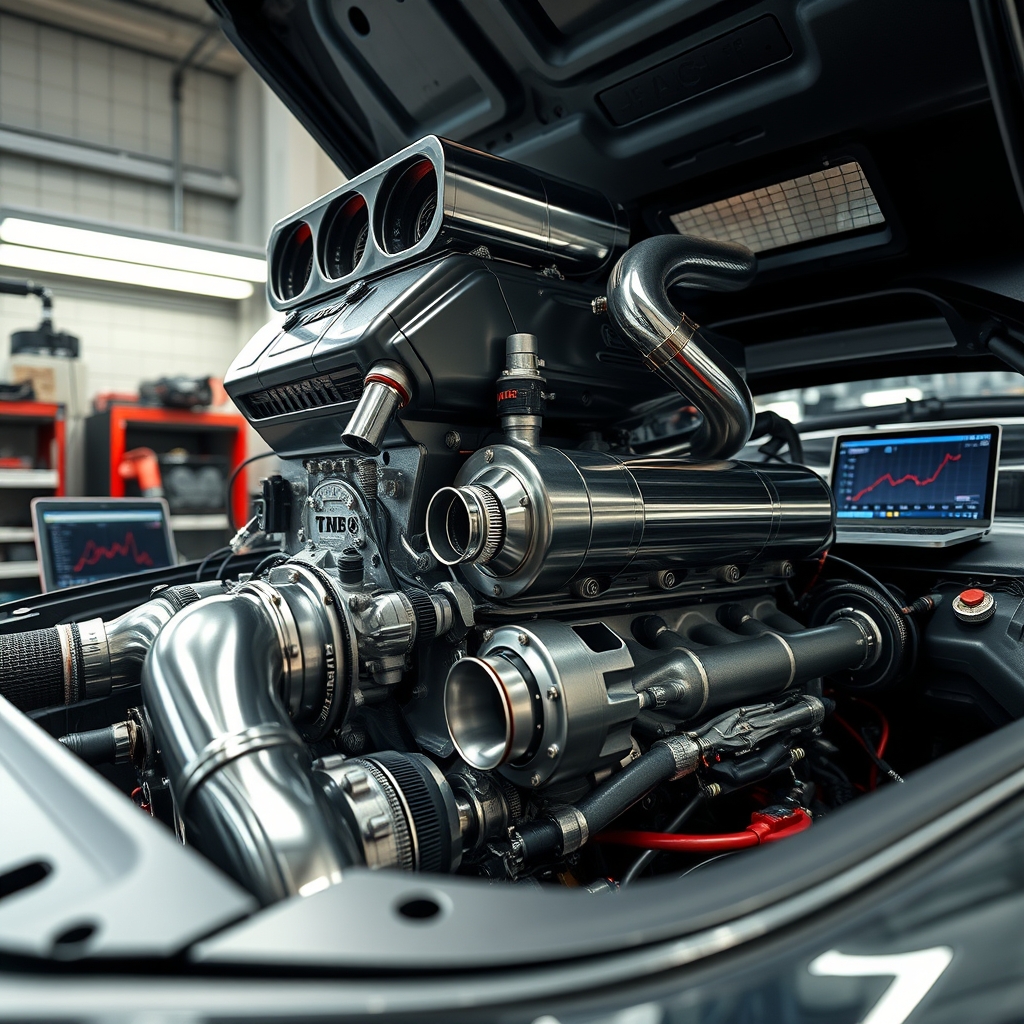
Building a high-performance engine is a dream for many automotive enthusiasts, but doing it legally and responsibly ensures longevity, reliability, and compliance with regulations. Whether you’re aiming for better track times, improved daily driving performance, or simply the satisfaction of a well-built machine, this guide will walk you through the essential steps—from planning to execution—while keeping emissions standards and expert insights in mind.
Understanding Legal Boundaries and Emissions Compliance
Before diving into modifications, it’s crucial to understand the legal landscape. Emissions regulations vary by region, with strict standards in places like California (CARB) and the European Union (Euro standards). Modifying an engine without considering these rules can lead to fines, failed inspections, or even the inability to register your vehicle. Start by researching your local laws and identifying which components are emissions-compliant. Many aftermarket manufacturers offer CARB-approved parts, which are tested and certified to meet legal requirements. Consulting with a professional tuner or mechanic who specializes in high-performance builds can also help navigate these complexities.
Choosing the Right Engine and Components
The foundation of any high-performance build is the engine itself. Whether you’re starting with a stock block or opting for a crate engine, selecting the right base is critical. Popular choices for performance builds include the LS-series engines from General Motors, the Ford Coyote, and the Toyota 2JZ, known for their durability and tuning potential. Once you’ve chosen your engine, focus on key components that enhance performance without compromising legality:
- Air Intake Systems: High-flow air filters and cold air intakes improve airflow, but ensure they are CARB-exempt or compliant with local regulations.
- Exhaust Systems: Cat-back exhausts and high-performance mufflers can reduce backpressure and improve sound, but headers and catalytic converters must meet emissions standards.
- Forced Induction: Turbochargers and superchargers significantly boost power, but tuning and supporting modifications (like fuel system upgrades) are essential to maintain reliability.
- Fuel System Upgrades: High-flow fuel pumps, injectors, and upgraded fuel lines ensure your engine receives the necessary fuel under increased demand.
- Engine Management: Standalone ECUs or performance tuners allow precise control over fuel and ignition timing, optimizing performance while keeping emissions in check.
Dyno Testing and Tuning: The Heart of Performance
Dyno testing is where the magic happens. A dynamometer measures your engine’s power output, allowing tuners to fine-tune air-fuel ratios, ignition timing, and boost levels (if applicable). This step is critical for achieving maximum performance while ensuring the engine runs safely and efficiently. Before hitting the dyno, ensure your build is mechanically sound—check for leaks, proper torque specs, and baseline compression readings. A professional tuner will use dyno data to create a custom tune tailored to your engine’s modifications, balancing power, drivability, and emissions compliance.
Expert Insights: Learning from the Pros
We spoke with several industry experts to gather insights on building legal high-performance engines. According to John Martinez, a veteran tuner with over 20 years of experience, “The key to a successful build is patience and attention to detail. Rushing through modifications or skipping steps like dyno testing can lead to catastrophic failures. It’s also important to work with reputable suppliers and tuners who understand emissions laws—this saves time, money, and headaches down the road.”
Another expert, Sarah Chen, a mechanical engineer specializing in performance engines, emphasized the importance of supporting modifications: “Upgrading the engine alone isn’t enough. Cooling systems, drivetrain components, and even the transmission must be able to handle the increased power. Neglecting these areas can result in premature wear or failure, even if the engine itself is built to perfection.”
Before-and-After Performance Metrics
To illustrate the impact of a well-executed build, let’s look at a real-world example. A 2015 Subaru WRX with a stock FA20 engine produces around 268 horsepower and 258 lb-ft of torque. After legal modifications—including a CARB-approved cold air intake, cat-back exhaust, and a custom tune—the same engine achieved 320 horsepower and 300 lb-ft of torque on the dyno. The owner reported improved throttle response, smoother power delivery, and better fuel efficiency, all while passing emissions tests.
Another case study involves a 2008 Ford Mustang GT with a 4.6L V8. The stock engine produced 300 horsepower and 320 lb-ft of torque. After upgrading to a CARB-approved supercharger, high-flow fuel injectors, and a custom tune, the engine’s output jumped to 450 horsepower and 420 lb-ft of torque. The owner noted a significant improvement in acceleration and overall drivability, proving that legal modifications can deliver impressive results.
Maintaining Your High-Performance Engine
Once your build is complete, ongoing maintenance is essential to preserve performance and reliability. High-performance engines operate under increased stress, so regular oil changes, cooling system checks, and inspections of critical components like belts, hoses, and gaskets are a must. Using high-quality fluids and following the manufacturer’s recommended service intervals will extend the life of your engine and prevent costly repairs. Additionally, monitoring your engine’s performance with tools like OBD-II scanners or data loggers can help identify potential issues before they become serious problems.
Building a legal high-performance engine is a rewarding journey that combines technical skill, creativity, and a deep appreciation for automotive engineering. By following a methodical approach—prioritizing compliance, leveraging expert advice, and validating results through dyno testing—you can create a machine that delivers exhilarating performance without running afoul of the law. The satisfaction of driving a car that reflects your vision and hard work is unmatched, and with the right care, your engine will provide years of thrilling, reliable performance.