The Invisible Lifeline: How Regenerative Braking Systems and Ultra-Fast Charging Are Crafting the Energy-Efficient EV of Tomorrow
The electric vehicle (EV) revolution is not just about replacing internal combustion engines with batteries—it’s about reimagining how energy flows through every component of a car. At the heart of this transformation lies a duo of technologies that are quietly reshaping efficiency: regenerative braking systems and ultra-fast charging. Together, they form an invisible lifeline, capturing energy that would otherwise be lost and replenishing it at speeds once thought impossible. This synergy is not just improving range; it’s redefining what it means to drive sustainably.
The Science Behind Regenerative Braking: Turning Motion into Power
Regenerative braking is one of those innovations that feels like magic—until you understand the physics behind it. Traditional braking systems convert kinetic energy into heat through friction, dissipating it into the atmosphere as waste. Regenerative braking, however, flips this script. When a driver applies the brakes in an EV, the electric motor reverses its role, acting as a generator. The kinetic energy from the moving vehicle is converted into electrical energy, which is then fed back into the battery. This process can recover up to 70% of the energy that would otherwise be lost, extending the vehicle’s range by 10-25% depending on driving conditions.
But the benefits go beyond mere efficiency. Regenerative braking reduces wear on traditional brake pads, lowering maintenance costs and extending the lifespan of braking components. In urban environments, where stop-and-go traffic is the norm, this technology shines brightest. Cities like San Francisco and London, with their steep hills and frequent traffic lights, have become proving grounds for regenerative braking, demonstrating how it can turn every red light into an opportunity to recharge.
The Role of AI in Optimizing Energy Recovery
Modern regenerative braking systems are not static; they’re dynamic, learning, and adapting. Artificial intelligence plays a crucial role in optimizing energy recovery by analyzing driving patterns, road conditions, and even the driver’s behavior. For instance, AI can predict when a driver is approaching a downhill slope and adjust the regenerative braking intensity to maximize energy capture without compromising safety. Similarly, in heavy traffic, the system can modulate braking force to ensure a smooth ride while still recovering as much energy as possible.
Companies like Tesla and BMW have integrated machine learning algorithms into their regenerative braking systems, allowing the vehicle to adapt over time. The more you drive, the smarter the system becomes, fine-tuning its responses to match your unique driving style. This level of personalization not only enhances efficiency but also makes the driving experience more intuitive and enjoyable.
Ultra-Fast Charging: The Missing Link in the EV Ecosystem
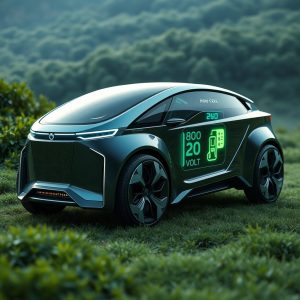
While regenerative braking captures energy on the go, ultra-fast charging ensures that energy is replenished in minutes rather than hours. The shift from 400-volt to 800-volt architecture has been a game-changer, enabling charging speeds that rival the convenience of refueling a gasoline car. With 800-volt systems, EVs can now add up to 200 miles of range in just 15 minutes, a feat that was unthinkable just a few years ago.
This leap in charging technology is not just about speed—it’s about reducing downtime and making EVs more practical for long-distance travel. High-power charging stations, like those developed by Ionity and Electrify America, are popping up along major highways, creating a network that supports seamless cross-country journeys. The combination of ultra-fast charging and regenerative braking means that drivers can spend less time plugged in and more time on the road, confident that their vehicle is efficiently managing energy every step of the way.
The Future of Charging: Bidirectional and Wireless
The next frontier in charging technology is bidirectional charging, which allows EVs to not only draw power from the grid but also feed it back. This capability turns EVs into mobile energy storage units, capable of powering homes during outages or even selling excess energy back to the grid during peak demand. When paired with regenerative braking, bidirectional charging creates a closed-loop energy system where every electron is accounted for and optimized.
Wireless charging is another innovation on the horizon. Imagine pulling into your garage and having your EV automatically start charging without plugging in a single cable. Companies like WiTricity and Qualcomm are developing resonant inductive charging systems that can deliver power through the air, further reducing the friction between drivers and the charging process. As these technologies mature, the line between driving and charging will blur, making energy management an almost invisible part of the ownership experience.
The Symbiosis of Efficiency and Sustainability
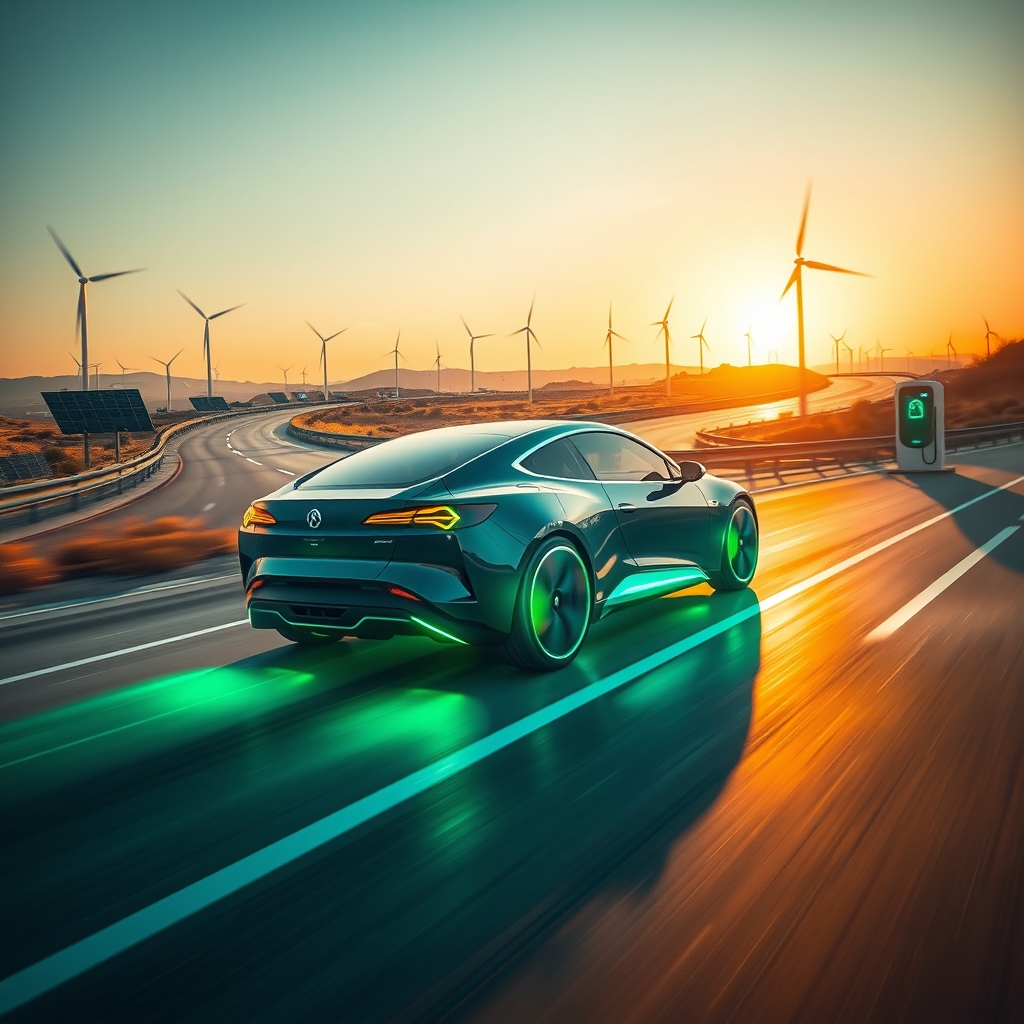
The true power of regenerative braking and ultra-fast charging lies in their ability to work together, creating a vehicle that is not just efficient but also sustainable. Regenerative braking reduces the overall energy demand of an EV, while ultra-fast charging ensures that the energy used is replenished quickly and cleanly. This symbiosis is particularly important as the world transitions to renewable energy sources. EVs equipped with these technologies can act as buffers for the grid, storing excess solar or wind energy during the day and releasing it when demand peaks.
Moreover, the materials used in these systems are becoming more sustainable. Advances in battery chemistry, such as solid-state batteries, promise to make energy storage even more efficient and environmentally friendly. Similarly, the shift toward a circular material economy means that components like brake pads and charging cables are being designed for recyclability, ensuring that the entire lifecycle of an EV is as green as possible.
As we look to the future, the integration of regenerative braking and ultra-fast charging will be a cornerstone of the next generation of EVs. These technologies are not just improving the way we drive—they’re redefining our relationship with energy. Every time a driver presses the brake pedal or plugs in their car, they’re participating in a larger movement toward a more sustainable and efficient world. The road ahead is not just electric; it’s intelligent, adaptive, and endlessly innovative, with every mile driven contributing to a cleaner, smarter future.