The Road Ahead: Exploring Next-Gen Automotive Technologies
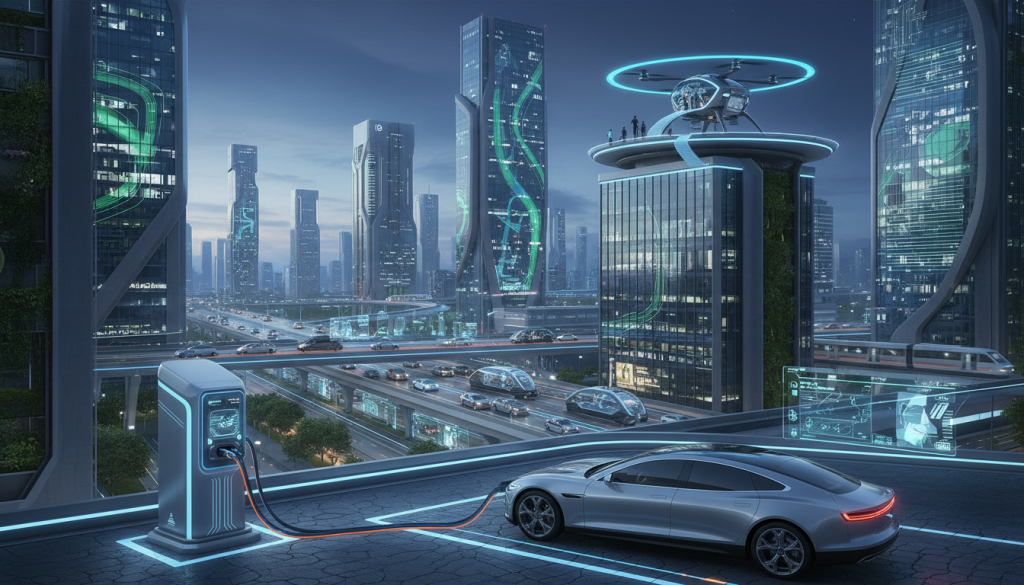
The automotive industry stands on the precipice of its most significant transformation yet. Far beyond mere incremental improvements, we are witnessing a complete reimagining of how vehicles are powered, driven, and experienced. This revolution is driven by groundbreaking advancements, from robust Electric Vehicle Infrastructure to intelligent mobility solutions, promising a future that is safer, cleaner, and infinitely more connected.
Powering Tomorrow: The Rise of Electric Vehicle Infrastructure and Beyond
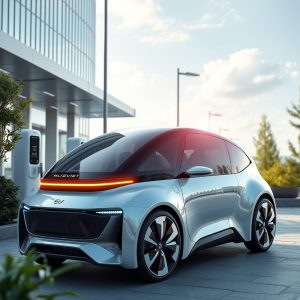
The shift to electric vehicles (EVs) is undeniable, and at its core lies the rapid expansion and innovation of Electric Vehicle Infrastructure. This includes everything from public fast-charging networks to smart home charging solutions, all designed to make EV ownership seamless and practical for everyone.
Beyond the charging points, the very batteries powering these vehicles are evolving. Next-generation Solid State Batteries promise greater energy density, faster charging times, and enhanced safety, pushing the boundaries of what EVs can achieve. Furthermore, the advent of Bidirectional Charging is transforming EVs into mobile energy storage units, capable of powering homes or feeding energy back into the grid, creating a more resilient and sustainable energy ecosystem.
While electrification dominates, alternative solutions like Hydrogen Fuel Cells continue to hold promise, especially for heavy-duty transport and long-haul applications. These technologies offer rapid refueling and zero tailpipe emissions, complementing the broader push for decarbonization across the entire transportation sector.
Intelligent Machines: Autonomous Driving Systems and Connected Car Ecosystems
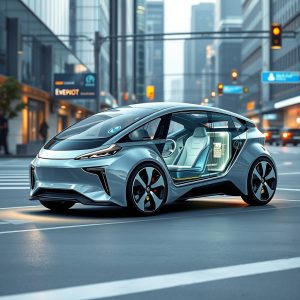
The dream of self-driving cars is rapidly becoming a reality, with sophisticated Autonomous Driving Systems paving the way for a new era of mobility. These systems leverage an array of sensors, AI, and real-time data to navigate roads, predict hazards, and optimize routes, promising a future with fewer accidents and more efficient travel.
Building on foundational technologies, Advanced Driver Assistance (ADAS) features are evolving from simple warnings to complex cooperative systems. These advancements are integral to the development of fully autonomous capabilities, transforming vehicles into highly intelligent, software-driven machines. The concept of Software Defined Vehicles highlights this shift, where a car’s capabilities and features are increasingly determined by its code, allowing for over-the-air updates and personalized experiences.
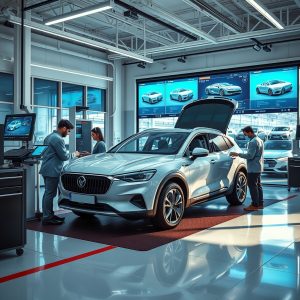
This intelligence extends into a vast Connected Car Ecosystems, where vehicles communicate not only with each other but also with infrastructure, smart devices, and cloud services. This interconnectedness enables real-time traffic updates, predictive maintenance, and enhanced infotainment. Behind the scenes, Digital Twin Engineering is revolutionizing vehicle development, allowing engineers to create virtual replicas of cars to simulate performance, test designs, and optimize systems before any physical prototype is built, accelerating innovation and reducing costs.
Design & Experience: Sustainable Interiors and Augmented Reality Dashboards
The interior of a vehicle is no longer just a functional space; it’s an extension of our digital lives and a statement of our values. The rise of Sustainable Interiors sees manufacturers adopting recycled materials, plant-based textiles, and innovative eco-friendly composites to create luxurious yet environmentally conscious cabins. This focus on sustainability extends throughout the vehicle’s lifecycle.
Personalization and security are also paramount. Biometric Vehicle Access, using fingerprint or facial recognition, offers seamless entry and ignition, while also allowing for personalized settings for multiple drivers. This technology enhances convenience and provides an added layer of security.
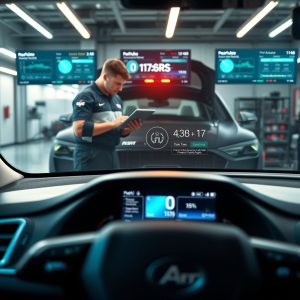
The driving experience itself is being transformed by immersive technologies. Augmented Reality Dashboards overlay critical information directly onto the driver’s view of the road, providing intuitive navigation, hazard warnings, and performance data without distraction. Complementing this, Smart Glass Technology allows windows to change opacity, display information, or even project images, offering privacy on demand and dynamic interaction with the environment.
Beyond the Road: Urban Air Mobility and Micro Mobility Solutions
The future of mobility isn’t confined to asphalt. Concepts like Urban Air Mobility are exploring vertical take-off and landing (VTOL) aircraft for intra-city travel, promising to alleviate congestion and open new transportation corridors above our cities. These electric air taxis represent a bold vision for personal and shared aerial transport.
At the other end of the spectrum, Micro Mobility Solutions are addressing the