Driving Tomorrow: Unveiling the Future of Automotive Innovation
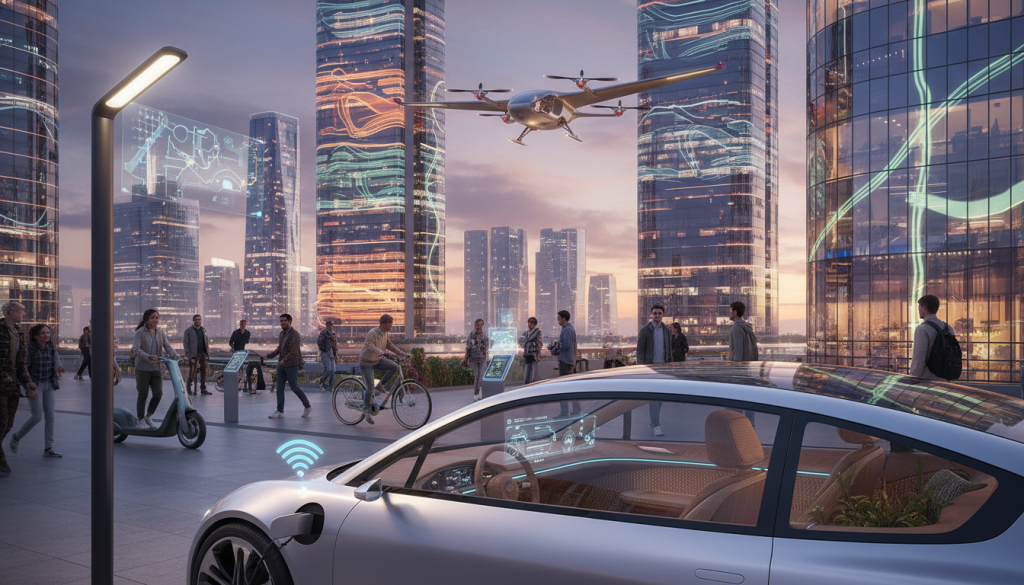
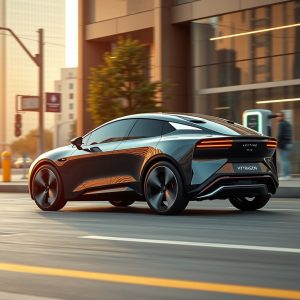
The automotive world is on the cusp of a revolution, transforming from mere transportation into a dynamic ecosystem of advanced technology and sustainable practices. This rapid evolution promises vehicles that are not only smarter and safer but also deeply integrated into our daily lives. From the foundational shifts in Electric Vehicle Infrastructure to the sophisticated algorithms powering Autonomous Driving Systems, the future of mobility is here, and it’s exhilarating.
Gone are the days of simple gasoline engines and manual controls. Today’s vehicles are becoming intelligent hubs, pushing the boundaries of what’s possible. We’re witnessing breakthroughs in energy storage, connectivity, and personalized experiences that will redefine our relationship with cars forever. Prepare to navigate a landscape where innovation is the ultimate driver.
Powering Tomorrow: The Evolution of Electric Vehicle Infrastructure and Batteries
The backbone of future mobility is undoubtedly a robust Electric Vehicle Infrastructure. As more consumers transition to EVs, the demand for accessible and efficient charging solutions grows exponentially. This includes not just public charging stations but also advancements like Bidirectional Charging, enabling vehicles to both draw power from and feed it back into the grid, transforming EVs into mobile energy storage units.
Energy storage itself is undergoing a radical transformation. The advent of Solid State Batteries promises significantly longer ranges, faster charging times, and enhanced safety compared to traditional lithium-ion cells. This breakthrough technology is poised to eliminate range anxiety and accelerate EV adoption on a global scale. Furthermore, research into Hydrogen Fuel Cells continues, offering another compelling zero-emission alternative, particularly for heavier vehicles and long-haul transport.
The Intelligent Ride: Autonomous Driving and Software Defined Vehicles
Imagine a world where your car drives itself, navigating complex traffic with unparalleled precision. Autonomous Driving Systems are rapidly progressing, moving beyond mere driver assistance to fully self-operating capabilities. These systems, powered by advanced AI and sensor arrays, promise to reduce accidents, alleviate congestion, and free up commute time for more productive or relaxing activities. Crucially, these innovations are complemented by sophisticated Advanced Driver Assistance features that enhance safety and comfort in all driving conditions.
At the heart of this intelligence are Software Defined Vehicles (SDVs). These vehicles prioritize software over hardware, allowing for over-the-air updates, customizable features, and unprecedented flexibility. SDVs enable new business models, such as Subscription Based Features, where owners can unlock new capabilities or performance upgrades on demand. This digital transformation fosters rich Connected Car Ecosystems, where vehicles seamlessly communicate with each other, infrastructure, and smart devices, creating a truly integrated mobility experience.
Beyond the Dashboard: Immersive Experiences and Sustainable Design
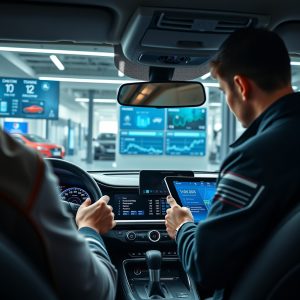
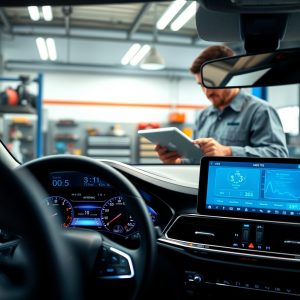
The interior of future vehicles will be a sanctuary of technology and comfort. Augmented Reality Dashboards will overlay vital information directly onto the road ahead, providing intuitive navigation and contextual data without diverting the driver’s attention. Paired with Smart Glass Technology, which can dynamically adjust tint, transparency, and even display information, the cabin becomes an adaptive, personalized space.
Accessing your vehicle will also evolve with Biometric Vehicle Access, utilizing fingerprint or facial recognition for enhanced security and personalized settings. Beyond convenience, sustainability is a core design principle. Manufacturers are increasingly adopting Sustainable Interiors, using recycled, plant-based, and ethically sourced materials. This commitment extends to the entire production process, with a strong focus on achieving Carbon Neutral Manufacturing, minimizing environmental impact from factory to road.
New Frontiers in Mobility and Vehicle Design
The scope of mobility is expanding dramatically beyond traditional cars. Concepts like Urban Air Mobility, featuring electric vertical take-off and landing (eVTOL) vehicles, promise to revolutionize inter-city travel and reduce urban congestion. Concurrently, Micro Mobility Solutions, such as advanced e-bikes and scooters, are addressing first-and-last-mile transportation challenges in bustling cities.
Even existing vehicles are part of this transformation through Retrofit Electrification, allowing classic cars to be converted to electric power, blending heritage with modern sustainability. And for those who seek adventure, Off Road Luxury vehicles are integrating cutting-edge tech and comfort for unparalleled outdoor experiences. Across all vehicle types, Regenerative Braking is becoming standard, efficiently capturing energy during deceleration to extend range and improve efficiency.
Engineering the Future: Digital Twin and Smart Systems
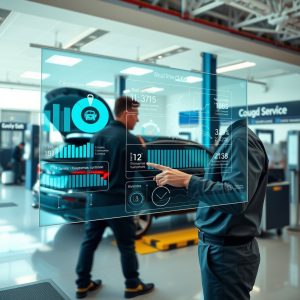
Behind every innovation is sophisticated engineering. Digital Twin Engineering is revolutionizing vehicle design, development, and maintenance. By creating virtual replicas of physical vehicles, engineers can simulate performance, test scenarios, and predict issues before they even arise, leading to faster development cycles and more reliable products. This approach ensures that every component, from the battery management system to the augmented reality interface, works in perfect harmony.
The convergence of these technologies paints a vivid picture of tomorrow’s automotive landscape. From the seamless integration of Connected Car Ecosystems to the ethical sourcing of materials for Sustainable Interiors, every aspect is being reimagined for efficiency, safety, and environmental responsibility. Embracing these advancements will not only enhance our driving experience but also contribute to a more sustainable and intelligent world, paving the way for a truly transformative era of personal mobility.