The Road Ahead: Revolutionary Technologies Shaping the Automotive Industry
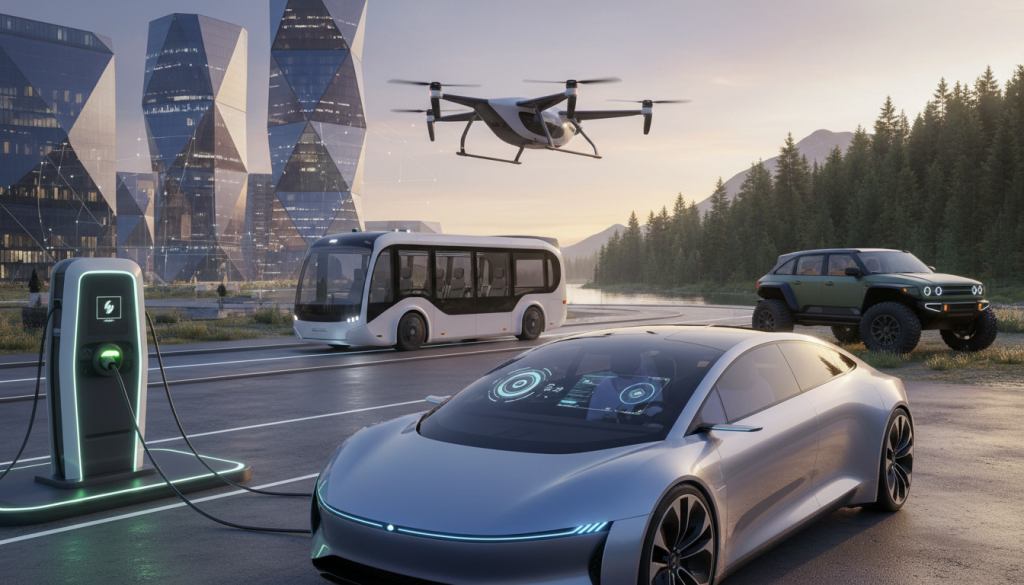
The automotive world is at the precipice of an unprecedented transformation, moving beyond mere transportation to become a dynamic ecosystem of advanced technology and sustainable practices. This revolution is not just about new models; it’s about reimagining every aspect of how we move, interact with our vehicles, and power our journeys. From groundbreaking advancements in Electric Vehicle Infrastructure to the sophisticated algorithms powering Autonomous Driving Systems, the future promises a driving experience that is safer, cleaner, and profoundly more connected.
Powering Tomorrow: The Evolution of Electric Vehicle Infrastructure
The backbone of the electric revolution is robust Electric Vehicle Infrastructure. This includes not only widespread charging stations but also innovations like Bidirectional Charging, allowing EVs to not just consume but also feed energy back into the grid, turning them into mobile power units. The development of Solid State Batteries promises longer ranges, faster charging, and enhanced safety, pushing current lithium-ion technology to new limits. Furthermore, advanced Regenerative Braking systems are becoming increasingly efficient, capturing more energy during deceleration and extending battery life, making electric travel even more practical and sustainable.
Driving Autonomously: The Rise of Smart Mobility
The dream of self-driving cars is rapidly becoming a reality, spearheaded by sophisticated Autonomous Driving Systems. These systems, powered by AI and vast sensor networks, are continuously evolving, promising to reduce accidents and optimize traffic flow. Complementing this, Advanced Driver Assistance (ADAS) features are already standard, enhancing safety and convenience. The broader Connected Car Ecosystems will see vehicles communicate with each other and with city infrastructure, paving the way for truly smart cities. Beyond ground transport, concepts like Urban Air Mobility are exploring electric vertical take-off and landing (eVTOL) aircraft for intra-city travel, while Micro Mobility Solutions like e-scooters and e-bikes address the crucial “last mile” challenge, integrating seamlessly into this future.
The Software-Defined Revolution and Personalized Experiences
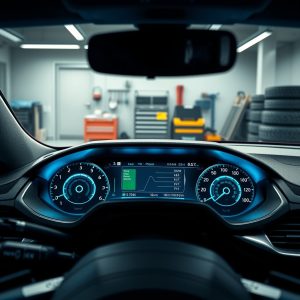
Vehicles are increasingly becoming powerful computers on wheels, epitomized by Software Defined Vehicles. This paradigm shift means that features and capabilities can be updated over-the-air, much like a smartphone, allowing for continuous improvement and customization throughout a vehicle’s lifespan. We’ll also see a rise in Subscription Based Features, where owners can unlock functionalities on demand. Inside the cabin, Augmented Reality Dashboards will project critical information onto the windshield, blending digital data with the real world, enhancing navigation and safety. For seamless and secure access, Biometric Vehicle Access systems, using fingerprint or facial recognition, will replace traditional keys, offering unparalleled convenience and personalization.
Sustainable Innovation: Beyond the Drivetrain
Sustainability in automotive extends far beyond electrification. While Hydrogen Fuel Cells present a promising zero-emission alternative, especially for heavier vehicles and long-haul transport, the focus is also on materials. Sustainable Interiors will utilize recycled plastics, plant-based materials, and innovative composites, reducing the environmental footprint of manufacturing. The entire production process is also undergoing a transformation towards Carbon Neutral Manufacturing, employing renewable energy, waste reduction, and closed-loop systems. Even older vehicles can join this green movement through Retrofit Electrification, converting classic cars into modern EVs, preserving heritage while embracing sustainability.
Engineering Excellence: From Digital Twins to Smart Glass
The design and manufacturing process itself is being revolutionized. Digital Twin Engineering creates virtual replicas of vehicles, allowing engineers to simulate performance, test designs, and predict maintenance needs before a single physical part is made. This significantly reduces development time and costs while improving quality. Another innovation enhancing both aesthetics and functionality is Smart Glass Technology. This allows windows and sunroofs to dynamically adjust tint, transparency, and even display information, offering privacy on demand, reducing glare, and improving energy efficiency within the cabin.
Redefining Luxury and Capability
The future also holds new interpretations of luxury and performance. For adventurers, Off Road Luxury vehicles will combine rugged capability with unparalleled comfort and cutting-edge technology, allowing exploration in style and safety. These vehicles will benefit from many of the advancements mentioned, from advanced ADAS to sustainable materials, proving that capability and environmental responsibility can go hand-in-hand.
The automotive landscape is undergoing a profound evolution, driven by technological breakthroughs and an unwavering commitment to a more sustainable future. From the intricate network of Connected Car Ecosystems to the precise control offered by Advanced Driver Assistance systems, every aspect of vehicle design and operation is being re-imagined. Embracing these innovations, understanding their implications, and adapting to the shift towards smarter, cleaner, and more integrated mobility solutions will be key for enthusiasts, consumers, and industry players alike to navigate the exciting roads ahead.