The Hybrid Spectrum: Navigating Smart Technology for a Greener Drive
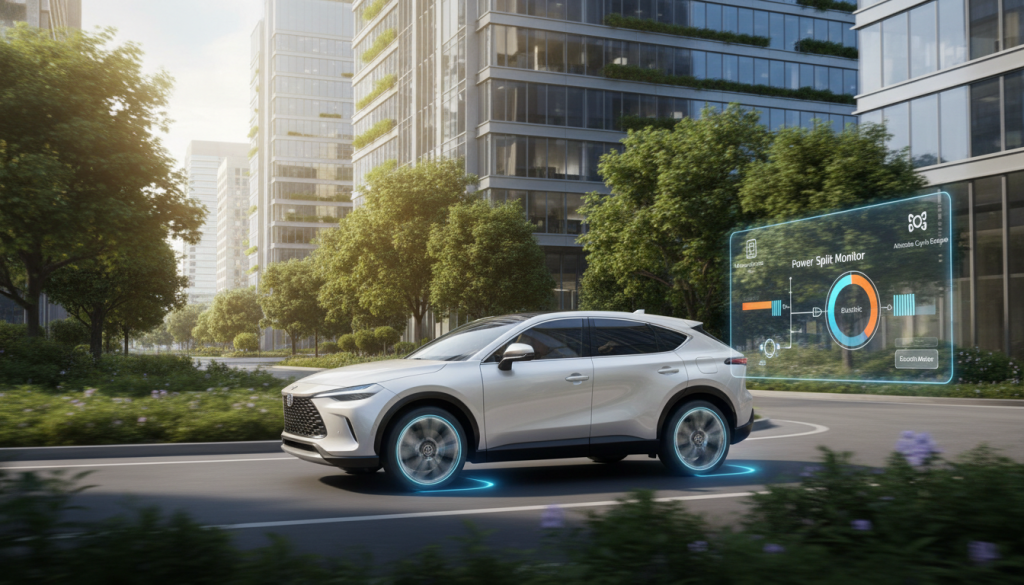
The automotive world is in a constant state of evolution, driven by the dual desires for enhanced performance and environmental responsibility. At the heart of this transformation lies hybrid technology, a sophisticated blend of internal combustion engines and electric powertrains designed to deliver superior fuel efficiency and significantly reduce emissions. Far from being a monolithic concept, the world of hybrids is a diverse landscape, offering a spectrum of solutions tailored to different driving needs and preferences. Understanding the nuances of each system is key to appreciating the ingenuity behind these Low Emission Vehicles and making an informed choice for a greener future.
The Core Concept: A Symbiotic Relationship
At its fundamental level, a Hybrid Powertrain integrates an internal combustion engine (ICE) with one or more Electric Motor Assist systems and a battery. This ingenious combination allows the vehicle to operate on electric power alone, gasoline power alone, or a combination of both, dynamically optimizing for efficiency and power. The magic often happens behind the scenes, orchestrated by a sophisticated Battery Management System and a Power Split Device, ensuring seamless transitions and optimal energy utilization.
Exploring the Hybrid Spectrum
Mild Hybrid Systems: The Gentle Boost
The entry point into the hybrid family is often the Mild Hybrid System. These vehicles typically use a small electric motor and battery, primarily to provide Electric Motor Assist during acceleration and to facilitate a smoother start/stop function. Crucially, they excel at Regenerative Braking, capturing kinetic energy normally lost during deceleration and converting it back into electricity to recharge the battery. While they cannot drive solely on electric power for extended periods, they offer noticeable improvements in Fuel Efficiency and lower emissions compared to conventional gasoline cars.
Self-Charging Hybrids: The Everyday Innovator
Often referred to as conventional hybrids or Parallel Hybrid systems, Self Charging Hybrid vehicles represent a significant leap. They feature a larger Lithium Ion Battery and a more powerful electric motor capable of propelling the car on electric power alone for short distances and at lower speeds. The internal combustion engine, frequently an Atkinson Cycle Engine designed for efficiency, works in conjunction with the electric motor, with power seamlessly blended via a Power Split Device. These vehicles continuously monitor energy flow through an Energy Monitor display, using Regenerative Braking and engine power to keep their batteries topped up, eliminating the need for external charging. They offer excellent Fuel Efficiency for daily commutes without any change in driver habits.
Plug-In Hybrids (PHEVs): The Best of Both Worlds
For those seeking a more substantial electric driving experience without range anxiety, the Plug In Hybrid (PHEV) is the answer. PHEVs boast a significantly larger Lithium Ion Battery and often a Dual Motor System, allowing for considerable all-electric Hybrid Driving Range – typically 20 to 50 miles or more – before the gasoline engine even needs to kick in. This means many daily commutes can be completed entirely on electric power, drastically reducing fuel consumption and emissions. When the battery is depleted, the vehicle functions like a Self Charging Hybrid, and the gasoline engine takes over. The “plug-in” aspect refers to their ability to be charged from an external power source, just like an electric vehicle, offering unparalleled flexibility. Some even feature a Range Extender, where the gasoline engine acts solely as a generator for the electric motors, further extending electric driving capability.
Series Hybrids: Engine as a Generator
Less common but equally innovative, Series Hybrid systems have the internal combustion engine primarily acting as a generator to produce electricity, which then powers the electric motor(s) that drive the wheels. The engine rarely, if ever, directly powers the wheels. This design allows the engine to operate at its most efficient RPM range, further enhancing Fuel Efficiency and reducing emissions.
Driving Smarter: Technologies That Make a Difference
Harnessing Energy with Regenerative Braking
A cornerstone of all hybrid systems, Regenerative Braking is a brilliant technology that transforms kinetic energy, normally lost as heat during braking, back into usable electricity. When you lift your foot off the accelerator or press the brake pedal, the electric motor reverses its function, acting as a generator to slow the vehicle and recharge the Lithium Ion Battery. This not only improves Fuel Efficiency but also reduces wear on conventional brake pads.
The Power of Electric Motor Assist
Beyond pure electric driving, the Electric Motor Assist provides instant torque, making acceleration smoother and more responsive. It can also fill in power gaps, allowing the Atkinson Cycle Engine to operate more efficiently, especially at lower speeds or during heavy loads. This seamless integration is managed by sophisticated Smart Hybrid Technology and the Battery Management System.
Eco Driving Mode and Energy Monitoring
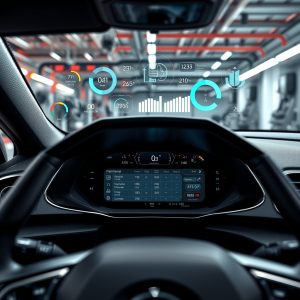
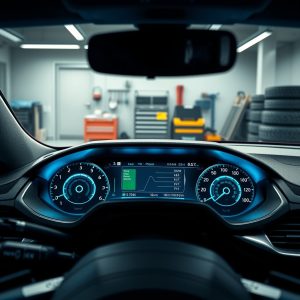
Most hybrids come equipped with an Eco Driving Mode, which optimizes throttle response, transmission shifts, and climate control settings to maximize Fuel Efficiency. Coupled with an intuitive Energy Monitor display, drivers can visualize power flow, battery charge, and regeneration in real-time, empowering them to adopt more efficient driving habits and truly understand their Hybrid Powertrain’s operation.
The evolution of hybrid technology continues to push the boundaries of automotive engineering, offering increasingly sophisticated and efficient solutions for modern drivers. From the subtle enhancements of a Mild Hybrid System to the extensive electric range of a Plug In Hybrid, these vehicles represent a vital bridge towards a fully electric future, proving that performance, practicality, and environmental responsibility can indeed coexist. As Battery Management Systems become more advanced and Dual Motor System configurations become more prevalent, the promise of a truly sustainable and enjoyable driving experience with impressive Hybrid Driving Range becomes an ever-present reality, shaping the landscape of personal mobility for generations to come.