The Integrated Revolution: Forging an Efficient and Sustainable EV Ecosystem
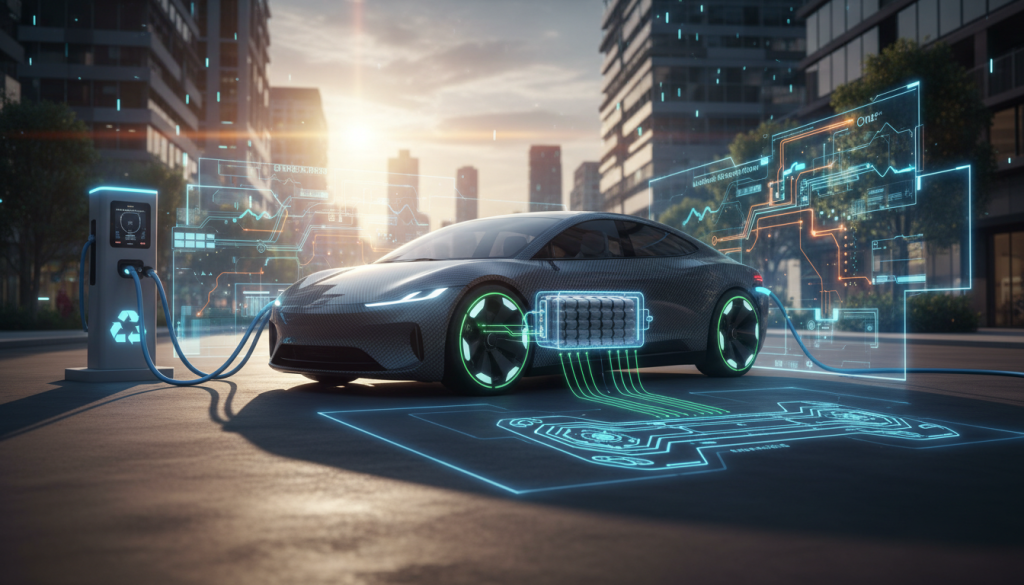
The automotive industry is undergoing a metamorphosis, driven by an urgent need for sustainability and an insatiable desire for intelligence. It’s no longer just about horsepower or torque; the conversation has shifted dramatically towards holistic efficiency, environmental responsibility, and seamless integration with our digital lives. This paradigm shift is giving rise to a new breed of electric vehicles (EVs) that are not merely powered by electricity but are fundamentally reimagined from the ground up, incorporating a symphony of advanced technologies designed to push the boundaries of performance, longevity, and ecological stewardship.
The Core Powerhouse: Solid State Batteries and 800-Volt Architecture
At the heart of the next-generation EV lies a formidable duo: revolutionary battery technology paired with a high-voltage electrical system. These innovations are not just incremental improvements; they represent foundational shifts that redefine what an EV can achieve.
Solid State Batteries: A Leap Forward
Imagine an EV battery that offers dramatically higher energy density, charges in a fraction of the time, and boasts superior safety characteristics compared to today’s lithium-ion counterparts. This is the promise of Solid State Batteries. By replacing the liquid electrolyte with a solid material, these batteries eliminate the risk of thermal runaway, reduce weight, and can pack more energy into a smaller volume. This translates directly into extended range, allowing drivers to travel further on a single charge, and opens up possibilities for more compact vehicle designs without compromising power reserves. Their inherent stability also promises a longer lifespan, significantly boosting the vehicle’s overall sustainability.
800-Volt Architecture: The Fast Lane to Efficiency
Complementing the advancements in battery chemistry is the adoption of 800-Volt Architecture. While many current EVs operate on 400-volt systems, doubling this voltage brings a cascade of benefits. Primarily, it enables Ultra Fast Charging, drastically cutting down the time spent at charging stations. Higher voltage means lower current for the same power, which in turn reduces heat generation and allows for thinner, lighter cabling throughout the vehicle. This weight reduction not only improves efficiency and handling but also minimizes raw material consumption. Furthermore, the 800-volt system enhances the efficiency of power delivery to the motors, leading to improved performance and potentially greater range.
Beyond the Battery: Maximizing Energy and Extending Life
The pursuit of efficiency extends far beyond the power source. Modern EVs are engineered to optimize every watt of energy and ensure every component operates at its peak for as long as possible.
Regenerative Braking: Recapturing Every Joule
One of the most elegant solutions for energy conservation in EVs is the Regenerative Braking System. Instead of dissipating kinetic energy as heat through traditional friction brakes, regenerative braking converts this energy back into electricity, feeding it directly into the battery. This not only extends the vehicle’s range but also significantly reduces wear and tear on mechanical brake components, leading to lower maintenance costs and less material waste over the vehicle’s lifespan. It’s a continuous loop of energy capture, transforming wasted kinetic energy into usable power.
Predictive Maintenance AI: The Intelligent Guardian
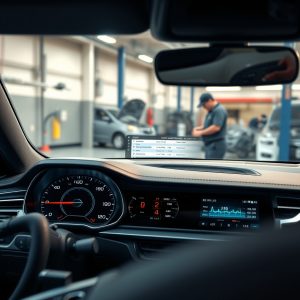
Ensuring the longevity and optimal performance of these complex systems is where Predictive Maintenance AI steps in. By continuously monitoring a vast array of sensors throughout the vehicle – from battery health and charging cycles to motor temperatures and braking system performance – AI algorithms can detect subtle anomalies and predict potential failures before they occur. This proactive approach allows for timely servicing, preventing costly breakdowns, extending the lifespan of critical components, and minimizing unexpected downtime. For fleet operators and individual owners alike, this translates into greater reliability, reduced operational costs, and a smaller environmental footprint by maximizing component utility.
Building the Future: Sustainability and Connectivity from the Ground Up
The true revolution in EVs isn’t just about what’s under the hood, but how the entire vehicle is conceived, built, and integrated into a broader sustainable ecosystem.
Modular EV Platforms: The Blueprint for Versatility
The rise of Modular EV Platforms is fundamentally changing how vehicles are designed and manufactured. These flexible architectures allow automakers to produce a wide array of vehicle types – from compact city cars to spacious SUVs – using largely the same underlying chassis, battery pack, and powertrain components. This standardization reduces development costs and time, fostering a more sustainable manufacturing approach. It enables easier upgrades and potential repurposing of components, aligning perfectly with the principles of a Circular Material Economy. Parts can be more easily recycled, refurbished, or reused, minimizing waste and resource extraction.
Sustainable Supply Chains and Circular Material Economy: A Holistic Approach
The journey towards a truly green vehicle begins long before assembly. Establishing Sustainable Supply Chains is paramount, ensuring that every material, from lithium for batteries to steel for the chassis, is sourced ethically and with minimal environmental impact. This extends to promoting a Circular Material Economy, where materials are kept in use for as long as possible, extracted value is maximized, and waste is designed out. This involves robust recycling programs for batteries and components, the integration of recycled and bio-based materials like Bio Synthetic Leather for interiors, and designing vehicles for easy disassembly and material recovery.
Vehicle To Everything (V2X): Integrating with the World
Beyond individual efficiency, the next generation of EVs will be deeply interconnected. Vehicle To Everything (V2X) technology allows EVs to communicate not only with other vehicles (V2V) but also with infrastructure (V2I), the grid (V2G), and even pedestrians (V2P). This connectivity unlocks unprecedented levels of safety, traffic management, and energy optimization. For instance, V2G capabilities enable Bidirectional Charging, allowing an EV to not only draw power from the grid but also feed excess power back during peak demand, transforming it into a mobile energy storage unit. This integration makes EVs an active, vital component of a resilient and intelligent energy ecosystem.
The convergence of these groundbreaking technologies – from the atomic-level innovations in solid-state batteries and the electrical efficiency of 800-volt architectures, to the intelligent energy recapture of regenerative braking and the proactive insights of AI-driven maintenance, all built upon modular platforms with sustainable supply chains and integrated into a V2X world – paints a vivid picture of the future of mobility. It’s a future where every journey is not just a means of transport, but a testament to human ingenuity, environmental responsibility, and a profound commitment to a smarter, cleaner, and more interconnected planet. This holistic transformation promises not just superior vehicles, but a better way to move, live, and interact with our increasingly interconnected world.