The Intelligent Nexus: How Software-Defined Vehicles Drive a Connected and Proactive Future
The automotive landscape is undergoing a profound transformation, shifting from a hardware-centric model to one where software dictates much of a vehicle’s character, capabilities, and even its lifespan. This evolution is giving rise to a new generation of intelligent machines, not merely modes of transport, but active participants in an ever-growing digital ecosystem. At the heart of this revolution lies the Software Defined Vehicle (SDV), a concept that promises to redefine our relationship with mobility, making it more personal, efficient, and interconnected than ever before.
The Brains of the Operation: Software Defined Vehicles
A Software Defined Vehicle is essentially a computer on wheels, where the majority of its functions – from powertrain management and infotainment to safety features and user interfaces – are controlled and continuously updated by software. This paradigm shift means that a car purchased today can evolve and improve over its lifetime, gaining new features, enhanced performance, and even entirely new functionalities through over-the-air (OTA) updates. Imagine your car receiving a software upgrade that boosts its range, refines its autonomous driving capabilities, or introduces a new personalized driving mode – all without a trip to the dealership. This inherent flexibility and adaptability are what truly set SDVs apart, making them future-proof platforms capable of continuous innovation.
Beyond the Vehicle: The Power of Vehicle-to-Everything (V2X)
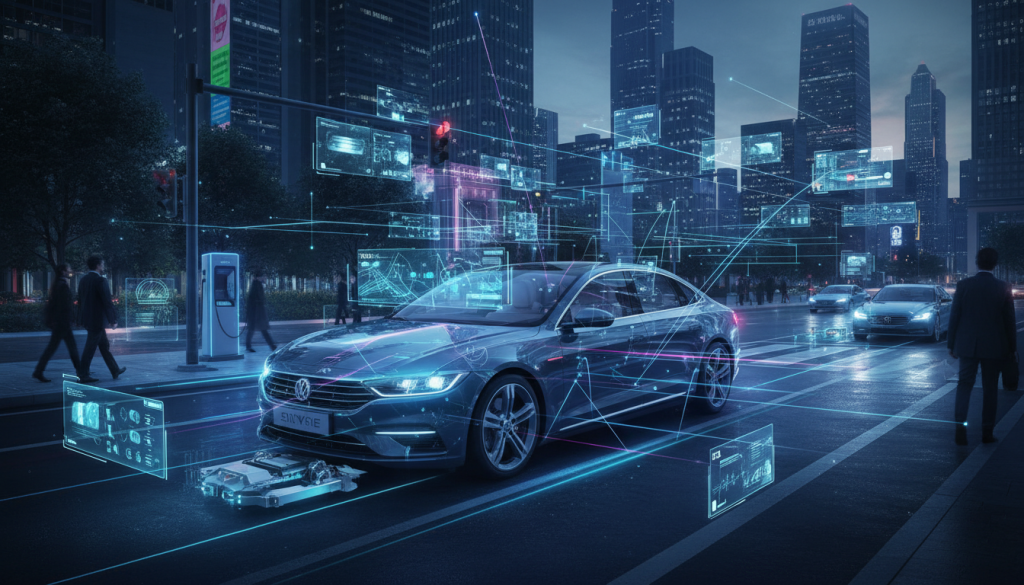
The true potential of SDVs is unlocked when they are integrated into a larger, intelligent network through Vehicle-to-Everything (V2X) communication. V2X encompasses a suite of communication technologies that allow vehicles to ‘talk’ to other vehicles (V2V), infrastructure (V2I), pedestrians (V2P), and even the electrical grid (V2G). This constant exchange of real-time data creates an unprecedented level of situational awareness, enhancing safety by warning drivers of impending collisions or hazards around blind corners. It optimizes traffic flow by dynamically adjusting signal timings and suggesting alternative routes, reducing congestion and fuel consumption. For instance, in a V2G scenario, a vehicle equipped with bidirectional charging capabilities can not only draw power from the grid but also feed excess energy back into it during peak demand, turning EVs into dynamic, mobile energy storage units that contribute to grid stability and efficiency.
A Proactive Approach: Predictive Maintenance AI
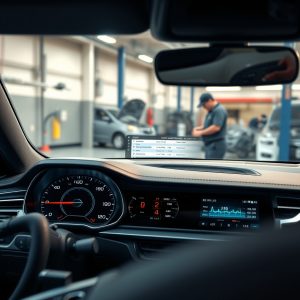
Leveraging the vast amounts of data generated by SDVs and V2X communication, Artificial Intelligence is revolutionizing vehicle maintenance. Predictive Maintenance AI analyzes sensor data from various vehicle components, learning normal operating patterns and identifying subtle deviations that might indicate an impending failure. Instead of following rigid service schedules or waiting for a component to break down, the vehicle can proactively alert the owner and service centers about potential issues before they escalate. This means fewer unexpected breakdowns, optimized service appointments, reduced repair costs, and significantly extended vehicle longevity. It transforms maintenance from a reactive necessity into a proactive, intelligent process, ensuring vehicles remain safe and efficient on the road for longer.
The Personalized Journey: In-Cabin Intelligence
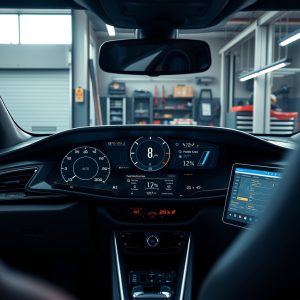
The intelligence within an SDV extends far beyond its operational systems, deeply impacting the in-cabin experience. In-Cabin Intelligence, powered by AI and advanced sensors, creates a highly personalized and adaptive environment for occupants. It can recognize individual drivers and passengers, automatically adjusting seat positions, climate control, infotainment preferences, and even ambient lighting. Beyond comfort, these systems can monitor driver alertness, detect signs of fatigue or distraction, and offer timely interventions. Imagine a system that learns your daily routines, anticipates your needs, and seamlessly integrates with your digital life, offering personalized recommendations for music or navigation, or even detecting your mood and adjusting the cabin ambiance accordingly. This transforms the car’s interior into a truly personalized, intuitive, and highly responsive extension of one’s personal space.
Weaving a Smarter, More Sustainable Future
The synergy between Software Defined Vehicles, V2X communication, Predictive Maintenance AI, and In-Cabin Intelligence is not merely about adding new features; it’s about fundamentally reshaping the entire mobility ecosystem. This interconnectedness fosters unprecedented levels of safety, efficiency, and convenience, creating vehicles that are not just smarter, but also more sustainable. By optimizing performance, extending lifespan through predictive care, and integrating with smart grids, these technologies collectively contribute to a more resilient and environmentally conscious future. The ongoing evolution of these intelligent systems ensures that our vehicles will continue to adapt and improve, serving as dynamic nodes in a constantly evolving network that prioritizes both individual experience and collective well-being.
As these technologies mature and integrate further, the boundaries between the vehicle, the infrastructure, and the driver will continue to blur, creating a holistic and intuitive mobility experience. The vehicle of tomorrow will be a constantly learning, adapting, and communicating entity, deeply embedded in our daily lives and contributing to a more seamless, efficient, and personalized journey for everyone. This intelligent nexus, driven by software and empowered by connectivity, is not just a glimpse into the future; it is the present, continuously unfolding with every line of code and every byte of data exchanged.