Beyond the Battery: Crafting the Sustainable and Intelligent EV Ecosystem
The automotive industry stands at the precipice of its most profound transformation in over a century. While the shift from internal combustion engines to electric powertrains has captured headlines, the true revolution extends far beyond merely swapping one energy source for another. It’s about a complete re-imagining of how vehicles are designed, powered, maintained, and integrated into our daily lives and the broader energy infrastructure. This holistic approach is giving rise to a new era of mobility, defined by unprecedented efficiency, intelligence, and a deep commitment to environmental stewardship.
Revolutionizing Power and Efficiency: The Core of Future EVs
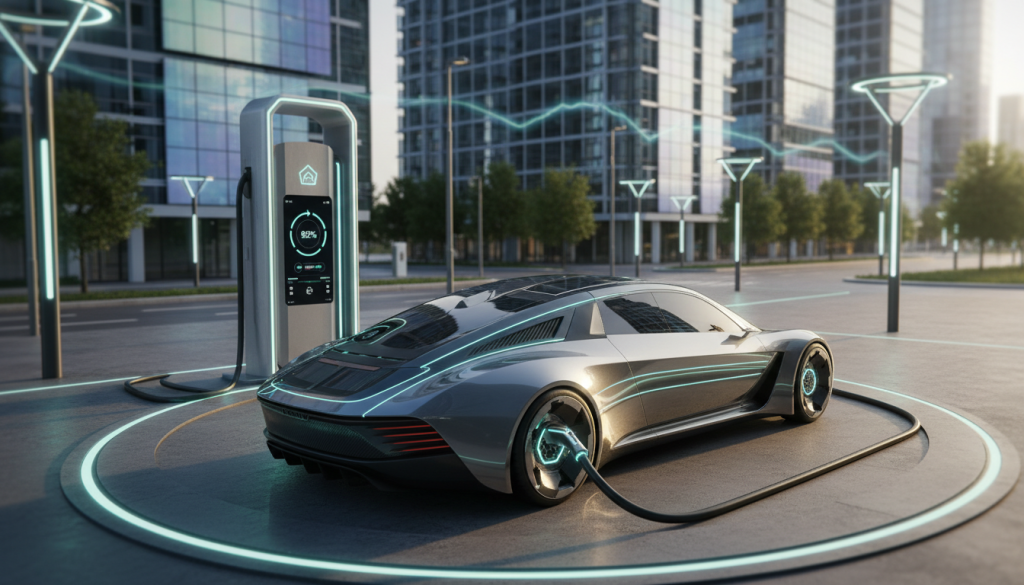
At the heart of this transformation lies the relentless pursuit of superior energy solutions. Solid State Batteries are emerging as a game-changer, promising higher energy density, faster charging times, and enhanced safety compared to conventional lithium-ion counterparts. This technological leap is crucial for extending range and reducing the weight of electric vehicles, making them more practical and appealing for a wider audience. Complementing this is the widespread adoption of 800 Volt Architecture. This high-voltage system dramatically reduces charging times, enabling true Ultra Fast Charging experiences that are increasingly comparable to refueling a gasoline car. It also enhances overall powertrain efficiency by minimizing energy losses.
But the energy story doesn’t end with charging. Bidirectional Charging is poised to redefine the relationship between EVs and the power grid. Imagine your electric vehicle not just consuming electricity, but also acting as a mobile energy storage unit, feeding power back into your home or the grid during peak demand or outages. This Vehicle-to-Everything (V2X) capability transforms EVs into active participants in a smart energy ecosystem, contributing to grid stability and potentially generating revenue for owners. Further enhancing efficiency, the ubiquitous Regenerative Braking System, a staple in modern EVs, captures kinetic energy typically lost during deceleration and converts it back into usable electricity, extending range and reducing wear on traditional brake components.
Building Better: Sustainable Materials and Modular Design
The future of mobility isn’t just about what powers the car, but also what the car is made of and how it’s built. A profound shift towards a Circular Material Economy is underway, emphasizing the reduction, reuse, and recycling of resources throughout the vehicle’s lifecycle. This means designing components for longevity, easy disassembly, and the recovery of valuable materials. Manufacturers are meticulously scrutinizing their Sustainable Supply Chains, ensuring ethical sourcing of raw materials and minimizing environmental impact from extraction to production. Innovations like Bio Synthetic Leather are replacing traditional animal products and petroleum-based plastics in interiors, offering luxurious, durable, and environmentally friendly alternatives that reduce the ecological footprint of vehicle manufacturing.
Moreover, the concept of Modular EV Platforms is fundamentally changing vehicle development. These flexible, scalable architectures allow manufacturers to quickly develop a diverse range of vehicles, from sedans to SUVs, using common underlying components. This not only streamlines production and reduces costs but also facilitates easier upgrades, repairs, and ultimately, more efficient recycling at the end of a vehicle’s life, aligning perfectly with circular economy principles.
The Intelligent Drive: Smarter Vehicles, Smarter Journeys
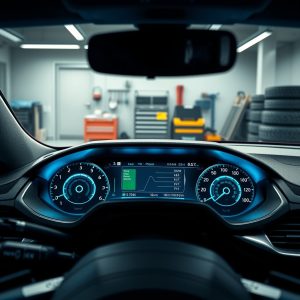
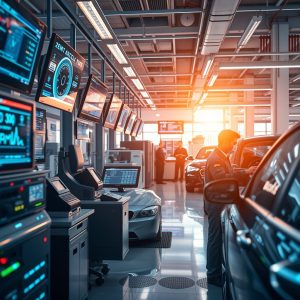
Beyond hardware and materials, the intelligence embedded within these next-generation vehicles is equally transformative. Predictive Maintenance AI is moving vehicle upkeep from reactive repairs to proactive prevention. By continuously monitoring an array of sensors and analyzing performance data, AI systems can anticipate potential component failures before they occur, scheduling maintenance at optimal times, reducing downtime, and enhancing safety and reliability. This not only extends the lifespan of vehicles but also optimizes their operational efficiency.
The aforementioned Vehicle To Everything (V2X) technology extends beyond just energy. It encompasses Vehicle-to-Vehicle (V2V), Vehicle-to-Infrastructure (V2I), and Vehicle-to-Pedestrian (V2P) communication, creating a hyper-connected driving environment. This constant exchange of data enables real-time traffic optimization, enhanced safety features like collision avoidance, and seamless integration with smart city infrastructure, paving the way for truly intelligent transportation systems. Such connectivity, combined with advanced in-cabin intelligence, transforms the driving experience from mere transportation into a personalized, safe, and highly efficient journey.
The convergence of these technologies – from advanced battery chemistry and ultra-efficient architectures to sustainable materials and intelligent, connected systems – paints a vivid picture of a future where vehicles are not just modes of transport, but integral, intelligent, and sustainable elements of our broader society. This holistic evolution promises a future of mobility that is cleaner, more efficient, and profoundly more integrated with our lives and the planet’s well-being, moving us towards an era where every aspect of a vehicle’s existence is optimized for a better tomorrow.