
Powering the Future: How Solid State Batteries and Ultra-Fast Charging Are Revolutionizing Electric Mobility
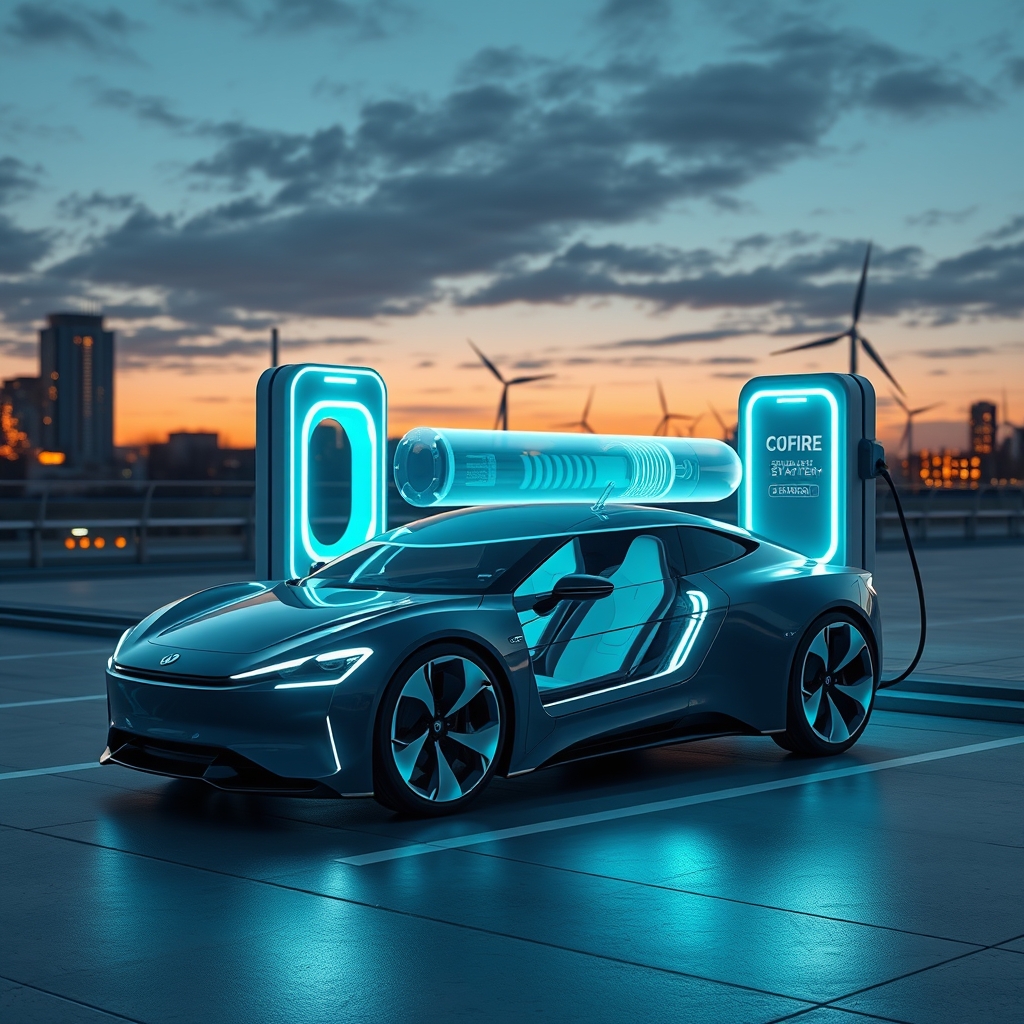
The electric vehicle (EV) revolution is accelerating at an unprecedented pace, driven by innovations that promise to overcome some of the most persistent challenges in sustainable mobility. Among these breakthroughs, solid state batteries and ultra-fast charging stand out as game-changers, poised to redefine the performance, convenience, and adoption of EVs. These technologies are not just incremental improvements—they represent a fundamental shift in how we store, deliver, and utilize energy in transportation.
The Promise of Solid State Batteries
For decades, lithium-ion batteries have been the backbone of electric vehicles, offering a balance of energy density, cost, and reliability. However, their limitations—such as safety concerns, degradation over time, and relatively slow charging speeds—have hindered the full potential of EVs. Enter solid state batteries, a next-generation energy storage solution that replaces the liquid or gel electrolyte in traditional batteries with a solid material. This seemingly simple change unlocks a host of advantages.
First and foremost, solid state batteries offer significantly higher energy density, meaning they can store more energy in the same amount of space. This translates to longer driving ranges—potentially exceeding 600 miles on a single charge—without increasing the size or weight of the battery pack. Additionally, the absence of flammable liquid electrolytes makes these batteries inherently safer, reducing the risk of thermal runaway and fires, a concern that has plagued some lithium-ion battery systems.
Durability is another key benefit. Solid state batteries are less prone to degradation, which means they can maintain their performance over a longer lifespan. This not only improves the longevity of the vehicle but also reduces the total cost of ownership for consumers. Moreover, the solid electrolyte enables faster ion movement, which could drastically reduce charging times, bringing us closer to the holy grail of EV charging: filling up as quickly as pumping gas.
Challenges on the Road to Commercialization
Despite their immense potential, solid state batteries are not without challenges. Manufacturing at scale remains a significant hurdle, as producing high-quality solid electrolytes with consistent performance is complex and expensive. Companies like QuantumScape, Solid Power, and Toyota are investing heavily in research and development to overcome these obstacles, but widespread commercialization is still a few years away. Another challenge is the cost—currently, solid state batteries are prohibitively expensive for mass-market vehicles, but economies of scale and advancements in material science are expected to drive prices down over time.
The Rise of Ultra-Fast Charging
While solid state batteries address energy storage, ultra-fast charging tackles the other side of the equation: energy delivery. Traditional EV charging infrastructure, even at its fastest, can take 30 minutes or more to recharge a battery to 80%. For many consumers, this is a major inconvenience, particularly on long road trips where time is of the essence. Ultra-fast charging, however, is changing the game by slashing charging times to as little as 10-15 minutes.
At the heart of this revolution is the 800-volt architecture, a technological leap that enables higher power transfer without increasing the current to unsafe levels. By doubling the voltage from the more common 400-volt systems, 800-volt architectures allow for faster charging while reducing heat generation and energy loss. This not only improves efficiency but also extends the lifespan of the battery and charging infrastructure. Companies like Porsche, Hyundai, and Lucid Motors have already adopted 800-volt systems in their high-performance EVs, demonstrating the real-world benefits of this technology.
Infrastructure and Compatibility
For ultra-fast charging to become mainstream, however, the supporting infrastructure must evolve. Current charging networks are largely built around slower, lower-voltage systems, and upgrading them to support 800-volt charging requires significant investment. Additionally, not all EVs are compatible with ultra-fast charging—many older models and budget-friendly EVs still rely on 400-volt architectures. This creates a fragmented ecosystem where some vehicles can take full advantage of the latest charging technology, while others are left behind.
To address this, automakers and charging providers are collaborating to standardize ultra-fast charging solutions. Initiatives like the Ionity network in Europe and Electrify America in the U.S. are leading the charge, deploying high-power charging stations along major highways. Meanwhile, advancements in bidirectional charging—where EVs can not only draw power from the grid but also feed it back—are adding another layer of flexibility, turning vehicles into mobile energy storage units that can support the grid during peak demand.
Synergies with Other Innovations
The impact of solid state batteries and ultra-fast charging extends beyond individual vehicles. These technologies are integral to the broader vision of a sustainable and intelligent mobility ecosystem. For instance, the increased energy density of solid state batteries could make hydrogen fuel cells more viable for long-haul trucking and aviation, where weight and range are critical factors. Similarly, ultra-fast charging complements predictive maintenance AI, which can optimize charging schedules to minimize wear on the battery and extend its lifespan.
Moreover, these innovations align with the principles of the circular material economy, where materials are reused, recycled, or repurposed to minimize waste. Solid state batteries, with their longer lifespans and safer chemistries, are easier to recycle than traditional lithium-ion batteries. This reduces the environmental footprint of EVs and supports the transition to a more sustainable supply chain. Meanwhile, ultra-fast charging reduces the need for large battery packs, further decreasing the demand for raw materials like lithium, cobalt, and nickel.
The Role of Aerodynamics and Lightweight Materials
Efficiency is the name of the game in electric mobility, and every watt of energy saved translates to longer range and better performance. This is where aerodynamic efficiency and lightweight materials like carbon fiber chassis come into play. By reducing drag and weight, these innovations allow EVs to travel farther on the same amount of energy, making solid state batteries and ultra-fast charging even more effective. For example, a vehicle with a carbon fiber chassis and optimized aerodynamics can achieve the same range with a smaller battery pack, reducing costs and improving sustainability.
A Glimpse into the Future
The convergence of solid state batteries and ultra-fast charging is set to transform not just the automotive industry, but the entire energy landscape. Imagine a world where EVs can be charged in the time it takes to grab a coffee, where battery packs last the lifetime of the vehicle, and where energy is stored and shared seamlessly between vehicles, homes, and the grid. This is not a distant dream—it is a tangible future that is being built today.
As these technologies mature, they will unlock new possibilities for urban air mobility, autonomous driving, and vehicle-to-everything (V2X) communication, creating a more connected, efficient, and sustainable world. The road ahead is not without challenges, but the progress being made is nothing short of revolutionary. The shift from fossil fuels to electric mobility is no longer a question of if, but how soon—and with solid state batteries and ultra-fast charging leading the charge, the answer may be sooner than we think.
The journey toward a cleaner, smarter, and more efficient transportation system is well underway, and every innovation brings us one step closer to a future where mobility is not just sustainable, but also seamless and accessible to all. The wheels of progress are turning, and they are powered by the relentless pursuit of better, faster, and more sustainable energy solutions.