The Invisible Bridge: How Bidirectional Charging and Modular EV Platforms Are Crafting the Energy-Resilient Future of Mobility
The automotive industry is undergoing a seismic shift, not just in how vehicles are powered, but in how they interact with the world around them. At the heart of this transformation lies a convergence of technologies that are redefining the very essence of mobility—where cars are no longer mere modes of transport but dynamic nodes in a larger, smarter energy ecosystem. Among these innovations, bidirectional charging and modular EV platforms stand out as the invisible bridges connecting the present to a future where energy is fluid, adaptive, and resilient.
The Power of Two-Way Energy Flow
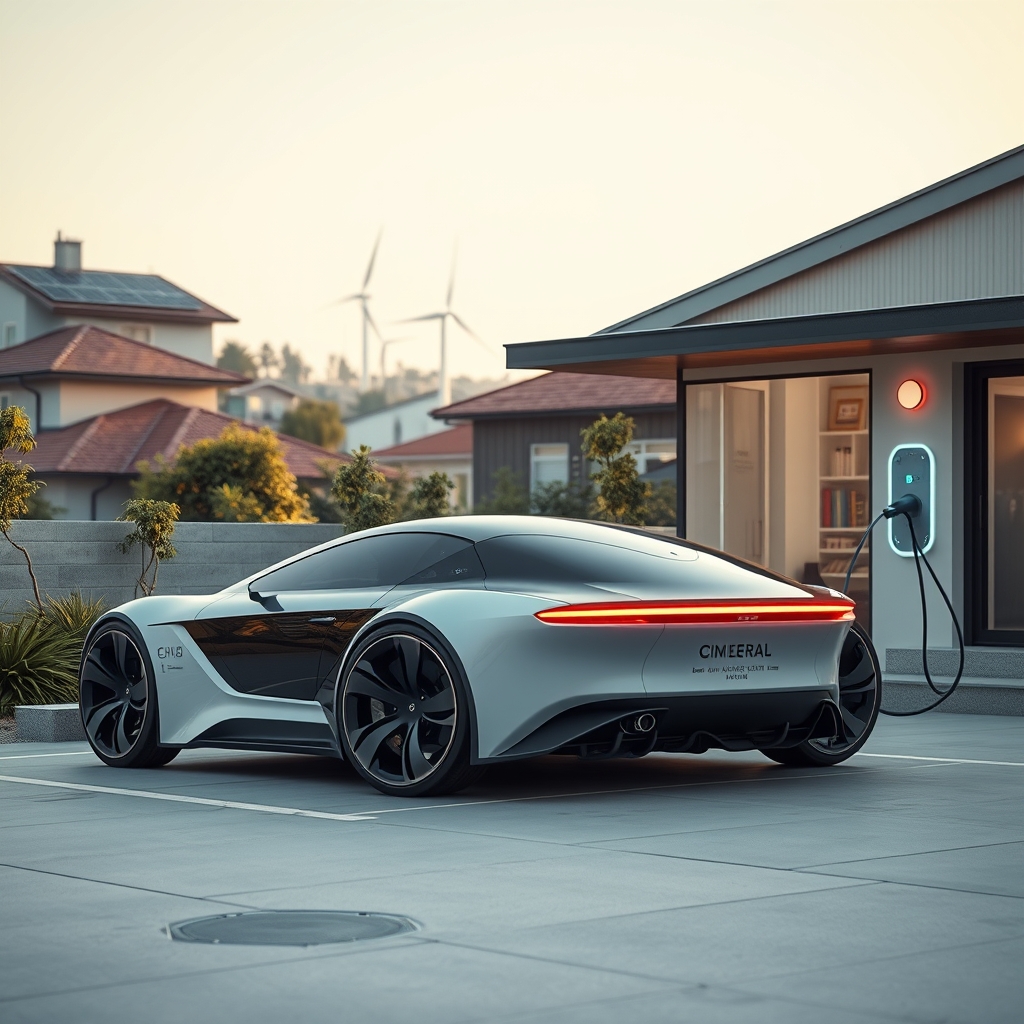
Bidirectional charging is more than just a feature; it’s a paradigm shift. Traditionally, electric vehicles (EVs) have been seen as energy consumers, drawing power from the grid to charge their batteries. However, bidirectional charging flips this narrative by enabling EVs to not only receive energy but also return it to the grid, homes, or even other vehicles. This two-way flow transforms EVs into mobile energy storage units, capable of stabilizing grids during peak demand, powering homes during outages, or even sharing energy with other EVs in a decentralized network.
The implications are profound. Imagine a world where your car doesn’t just take you from point A to point B but also powers your home during a blackout or feeds excess energy back into the grid when prices are high. This isn’t a distant dream—it’s a reality being tested in pilot programs across the globe. In Japan, Nissan’s Leaf-to-Home system has already demonstrated how EVs can serve as backup power sources, while in Europe, projects like Vehicle-to-Grid (V2G) are exploring how fleets of EVs can balance renewable energy supply and demand.
From Grid Stabilization to Energy Independence
The potential of bidirectional charging extends beyond individual convenience. As renewable energy sources like solar and wind become more prevalent, their intermittency poses a challenge to grid stability. EVs equipped with bidirectional charging can act as buffers, storing excess energy when production is high and releasing it when demand spikes. This not only reduces strain on the grid but also accelerates the transition to a renewable energy future by making energy storage more flexible and accessible.
Moreover, bidirectional charging can democratize energy access. In regions with unreliable grid infrastructure, EVs could serve as mobile power stations, providing electricity to communities in need. This is particularly relevant in disaster-prone areas, where EVs could play a critical role in emergency response efforts. The technology also opens up new economic opportunities, allowing EV owners to monetize their vehicles’ energy storage capabilities by selling power back to the grid or participating in energy markets.
The Foundation of Flexibility: Modular EV Platforms
While bidirectional charging redefines the role of EVs in the energy ecosystem, modular EV platforms are revolutionizing how these vehicles are designed and built. A modular platform is essentially a flexible architecture that can accommodate different vehicle types, from compact city cars to large SUVs, without requiring a complete redesign. This approach not only streamlines manufacturing but also enables rapid innovation, as new technologies can be integrated into existing platforms with minimal disruption.
One of the most compelling advantages of modular platforms is their ability to support a wide range of powertrains, including battery-electric, hydrogen fuel cell, and even hybrid systems. This versatility is crucial as the industry navigates the transition to zero-emission mobility, allowing automakers to adapt to changing market demands and regulatory landscapes. For example, Volkswagen’s MEB platform is designed to underpin a variety of electric vehicles, from the compact ID.3 to the spacious ID. Buzz, demonstrating how modularity can drive economies of scale and reduce costs.
Sustainability Through Adaptability
Modular platforms also align with the principles of a circular material economy. By designing vehicles with interchangeable components, automakers can extend the lifespan of their products, reduce waste, and lower the environmental impact of manufacturing. For instance, a battery module from a retired EV could be repurposed for energy storage, while a chassis could be reused for a different vehicle model. This approach not only minimizes resource consumption but also creates new revenue streams for automakers and recyclers.
Furthermore, modular platforms enable greater customization, allowing consumers to tailor their vehicles to their specific needs. Whether it’s swapping out a battery pack for a longer range or upgrading software for new features, modularity empowers owners to keep their vehicles relevant for longer, reducing the need for premature replacements. This shift toward a more sustainable, user-centric model of mobility is a key step in reducing the automotive industry’s carbon footprint.
The Synergy of Innovation
The true potential of bidirectional charging and modular EV platforms lies in their synergy. Together, they create a foundation for a more resilient, adaptive, and sustainable mobility ecosystem. Imagine a fleet of modular EVs, each equipped with bidirectional charging, seamlessly integrating into smart grids, powering homes, and supporting renewable energy adoption. This is not just a vision of the future—it’s a tangible reality being shaped by today’s innovations.
As these technologies mature, they will also pave the way for new business models and services. Energy-as-a-service, peer-to-peer energy trading, and mobility subscriptions are just a few examples of how the convergence of bidirectional charging and modular platforms could reshape the automotive landscape. The result is a more dynamic, interconnected, and sustainable future, where vehicles are no longer isolated entities but integral components of a larger, smarter energy network.
The road ahead is not without challenges. Standardization, infrastructure development, and consumer adoption are all critical hurdles that must be overcome. Yet, the momentum is undeniable. With each breakthrough, the invisible bridges between energy and mobility grow stronger, forging a path toward a future where technology and sustainability coexist in harmony. The journey has just begun, and the possibilities are as limitless as the energy that powers them.