The Unseen Synergy: How Bidirectional Charging and Hydrogen Fuel Cells Are Crafting the Energy Ecosystem of Tomorrow
The automotive industry is undergoing a seismic shift, not just in how vehicles are powered, but in how they interact with the world around them. At the heart of this transformation lies a powerful synergy between two cutting-edge technologies: bidirectional charging and hydrogen fuel cells. Together, they are redefining the very concept of energy, turning vehicles from mere consumers into dynamic participants in a smarter, more sustainable grid.
The Rise of Bidirectional Charging: Vehicles as Power Hubs
Bidirectional charging is more than just a feature—it’s a paradigm shift. Traditionally, electric vehicles (EVs) have been seen as energy sinks, drawing power from the grid to recharge their batteries. But with bidirectional charging, EVs become mobile energy storage units, capable of feeding electricity back into the grid, homes, or even other vehicles. This capability transforms EVs into critical assets in balancing energy demand, especially during peak hours or in emergency situations.
Imagine a future where your car doesn’t just take power—it gives it back. During a blackout, your EV could power your home for days. During a heatwave, when the grid is strained, your vehicle could supply excess energy to help stabilize the network. This isn’t science fiction; it’s a reality being tested in pilot programs around the world, from vehicle-to-grid (V2G) projects in Europe to smart energy communities in Japan.
The Role of Hydrogen Fuel Cells in a Decentralized Energy Future
While bidirectional charging is revolutionizing how we use battery-electric vehicles, hydrogen fuel cells are carving out a complementary path. Hydrogen offers a unique advantage: it can store and deliver energy at scale, making it ideal for applications where batteries fall short, such as heavy-duty transport, long-haul trucking, and even aviation. Unlike batteries, which require hours to recharge, hydrogen fuel cells can be refueled in minutes, offering a solution that mirrors the convenience of traditional fossil fuels.
But hydrogen’s potential goes beyond mobility. Fuel cells can generate electricity on demand, providing a clean, efficient alternative to diesel generators. In remote areas or during natural disasters, hydrogen-powered systems can deliver reliable energy without the emissions or noise of conventional generators. When paired with renewable energy sources like wind or solar, hydrogen becomes a key enabler of a fully sustainable energy ecosystem.
The Convergence: A Smarter, More Resilient Grid
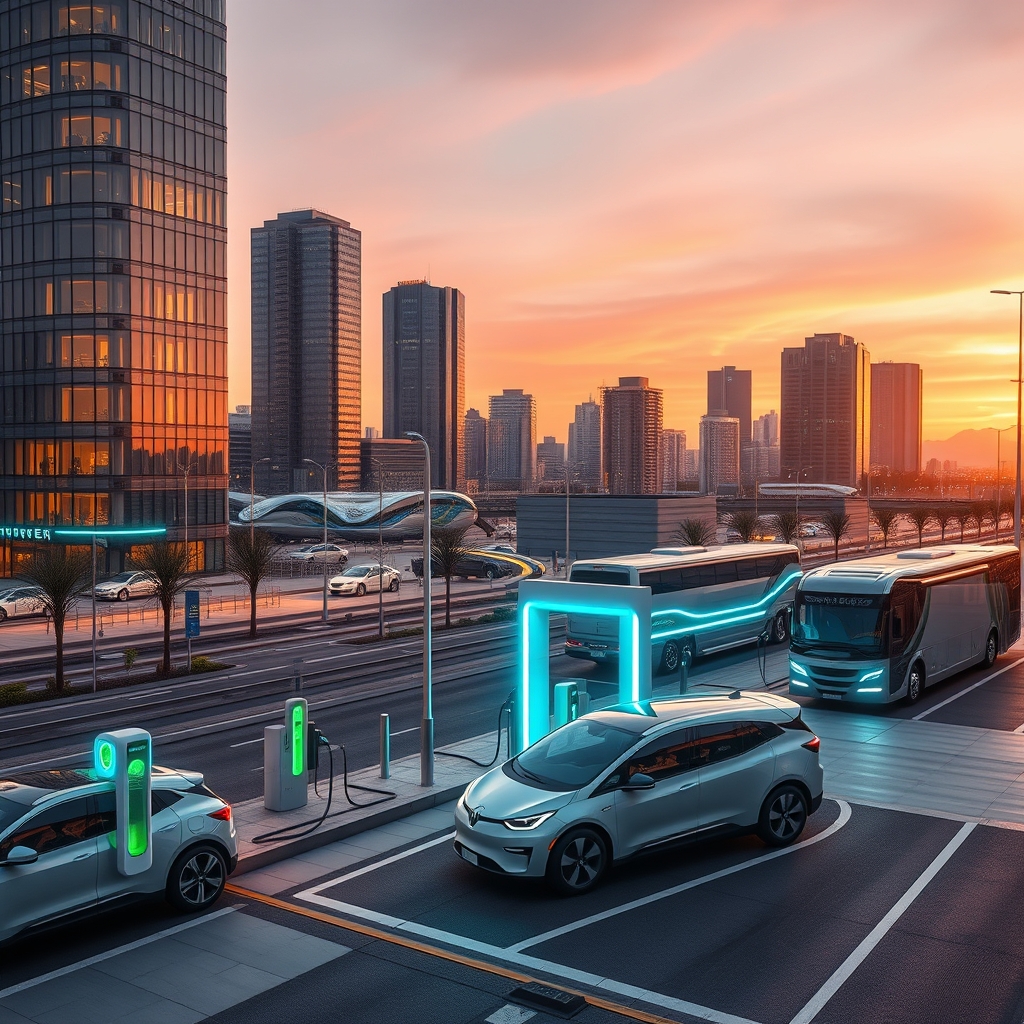
The true magic happens when bidirectional charging and hydrogen fuel cells converge. Together, they create a flexible, decentralized energy network where vehicles, homes, and infrastructure are all interconnected. Picture a smart city where EVs charge during off-peak hours, store excess renewable energy, and feed it back into the grid when demand spikes. Meanwhile, hydrogen-powered trucks and buses provide backup power for critical infrastructure, ensuring resilience in the face of disruptions.
This synergy also addresses one of the biggest challenges of renewable energy: intermittency. Solar and wind power are abundant but unpredictable. By integrating EVs with bidirectional charging and hydrogen storage, we can store excess energy when it’s plentiful and release it when it’s needed most. This not only stabilizes the grid but also accelerates the transition to a 100% renewable energy future.
The Road Ahead: Challenges and Opportunities
Of course, this vision is not without its hurdles. Bidirectional charging requires advanced infrastructure, including smart chargers and grid management systems. Hydrogen fuel cells, while promising, still face challenges in production, storage, and distribution. Green hydrogen—produced using renewable energy—is the gold standard, but scaling up its production remains a work in progress.
Yet, the momentum is undeniable. Governments, automakers, and energy companies are investing billions in these technologies, recognizing their potential to reshape not just transportation, but the entire energy landscape. From Toyota’s hydrogen-powered Mirai to Nissan’s V2G initiatives, the pieces of the puzzle are falling into place. The question is no longer if this future will arrive, but how quickly we can make it a reality.
A New Era of Energy Democracy
At its core, this transformation is about more than just technology—it’s about reimagining our relationship with energy. For over a century, power has flowed in one direction: from centralized plants to consumers. But with bidirectional charging and hydrogen fuel cells, we’re moving toward a world where energy is decentralized, democratized, and dynamic. Vehicles are no longer just a means of transportation; they’re active participants in a smarter, cleaner, and more resilient energy ecosystem. The road ahead is paved with challenges, but the destination—a future where mobility and energy work in harmony—is well worth the journey.
The shift is already underway, and the choices we make today will determine how quickly and smoothly this transition unfolds. As these technologies mature, they will not only redefine the automotive industry but also empower individuals and communities to take control of their energy future. The vehicles of tomorrow won’t just drive us forward—they’ll power the world around us.