The Invisible Nexus: How Software Defined Vehicles and Autonomous Driving Are Crafting the Self-Driving Ecosystem of Tomorrow
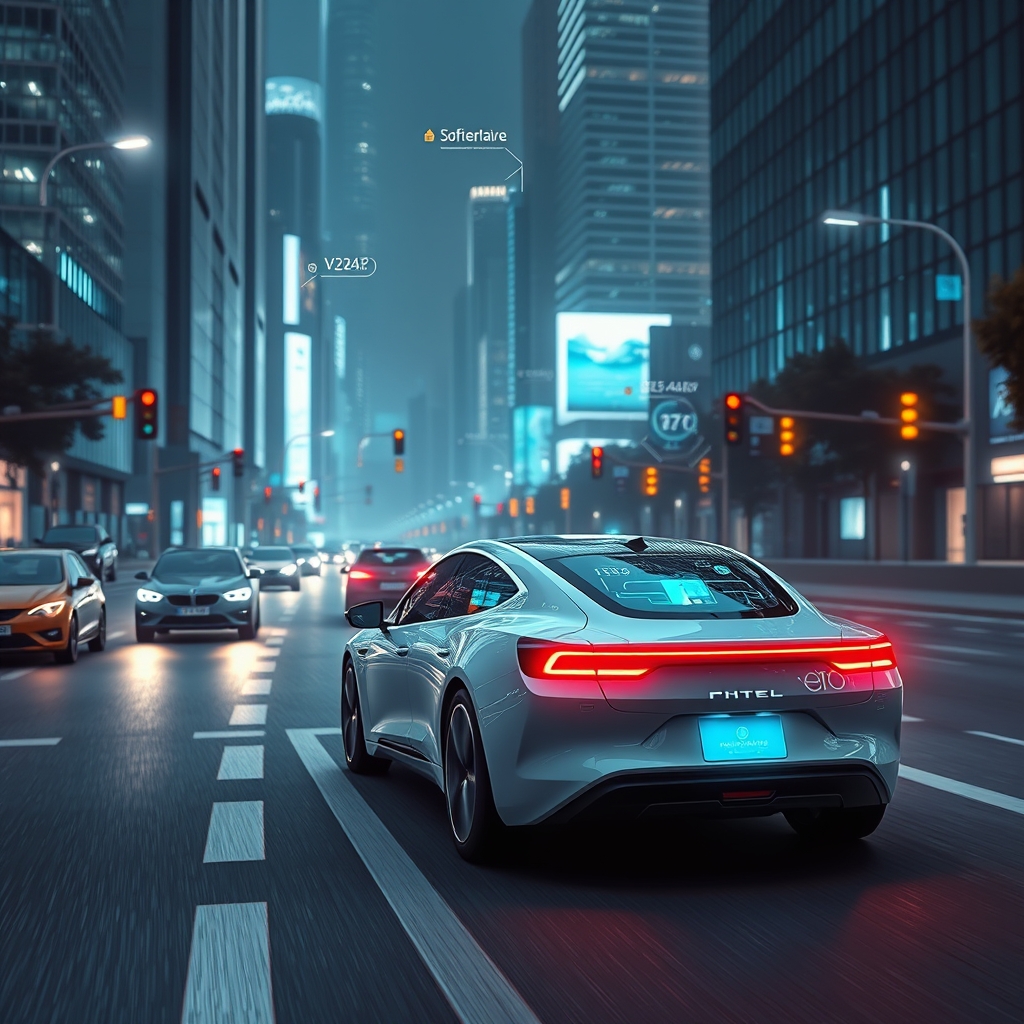
The automotive industry is undergoing a seismic shift, one where the lines between hardware and software blur into a seamless, intelligent ecosystem. At the heart of this transformation lies the convergence of software-defined vehicles (SDVs) and autonomous driving, two technologies that are not just redefining mobility but also reshaping the very fabric of how we interact with transportation. This invisible nexus is crafting a future where cars are no longer mere machines but dynamic, evolving entities capable of learning, adapting, and communicating in ways previously confined to the realm of science fiction.
The Rise of the Software-Defined Vehicle
Gone are the days when a vehicle’s capabilities were dictated solely by its mechanical components. Today, software-defined vehicles are taking center stage, where the majority of a car’s functionality—from infotainment to advanced driver-assistance systems (ADAS)—is controlled by software. This shift allows for over-the-air (OTA) updates, enabling vehicles to improve and evolve long after they leave the factory floor. Imagine a car that receives new features, enhances its performance, or even fixes bugs without ever visiting a dealership. This is the promise of SDVs, and it’s already becoming a reality.
But the implications go far beyond convenience. SDVs are the backbone of a more connected, intelligent, and efficient mobility ecosystem. They enable seamless integration with smart city infrastructure, other vehicles, and even pedestrians through Vehicle-to-Everything (V2X) communication. This interconnectedness is the foundation upon which autonomous driving is built, creating a symphony of data and algorithms that work in harmony to navigate the complexities of the modern world.
The Autonomous Driving Revolution
Autonomous driving is no longer a distant dream but an imminent reality, thanks to advancements in artificial intelligence, sensor technology, and computing power. Level 4 and Level 5 autonomy—where vehicles can operate without human intervention in most or all scenarios—are within reach, and companies like Waymo, Tesla, and Cruise are already testing these systems on public roads. However, the true potential of autonomous driving lies not just in the technology itself but in how it integrates with the broader ecosystem of SDVs.
For instance, autonomous vehicles (AVs) rely on a constant stream of data to make split-second decisions. This data comes from a variety of sources, including LiDAR, radar, cameras, and V2X communication. But what happens when this data is processed and refined by the adaptive, learning algorithms of an SDV? The result is a vehicle that doesn’t just react to its environment but anticipates it. Predictive algorithms can analyze traffic patterns, weather conditions, and even pedestrian behavior to optimize routes, reduce energy consumption, and enhance safety. This level of intelligence is only possible when autonomous driving and software-defined architecture work in tandem.
The Role of AI and Predictive Maintenance
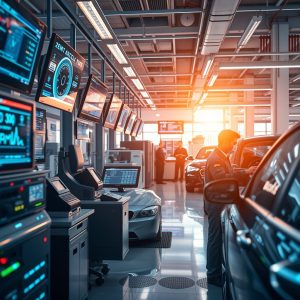
One of the most exciting aspects of this convergence is the role of predictive maintenance AI. Traditional vehicles require regular maintenance based on mileage or time intervals, but SDVs equipped with AI can monitor their own health in real time. Sensors embedded throughout the vehicle collect data on everything from battery performance to tire wear, and machine learning algorithms analyze this data to predict when maintenance is needed. This not only reduces downtime but also extends the lifespan of the vehicle, making mobility more sustainable and cost-effective.
In the context of autonomous driving, predictive maintenance takes on even greater significance. AVs are expected to operate around the clock, making reliability a non-negotiable requirement. By leveraging AI to anticipate and address potential issues before they arise, SDVs can ensure that autonomous fleets remain operational, safe, and efficient. This is particularly crucial for ride-hailing services and logistics companies, where vehicle downtime directly impacts revenue and customer satisfaction.
The Energy Efficiency Equation
Another critical aspect of this invisible nexus is energy efficiency. Autonomous driving and SDVs are not just about convenience and safety—they’re also about sustainability. For example, regenerative braking systems—which capture and store energy typically lost during braking—are far more effective when paired with the intelligent energy management systems of an SDV. These systems can optimize when and how energy is recaptured, stored, and redistributed, whether to power the vehicle or feed energy back into the grid through bidirectional charging.
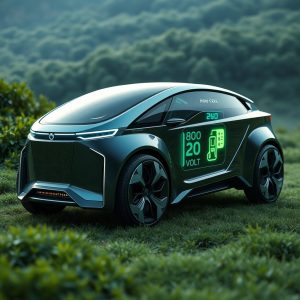
Moreover, the integration of 800-volt architecture in SDVs enables faster charging and more efficient power distribution, reducing energy loss and improving overall performance. When combined with autonomous driving, this architecture allows for smarter energy management, such as adjusting driving patterns to maximize range or leveraging V2X communication to locate the nearest ultra-fast charging station. The result is a vehicle that is not only self-driving but also self-sustaining, minimizing its environmental footprint while maximizing efficiency.
The Future of Mobility: A Self-Driving Ecosystem
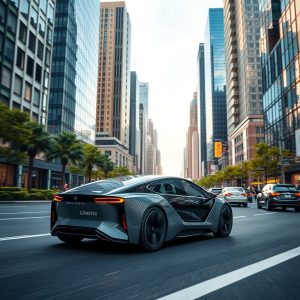
The convergence of software-defined vehicles and autonomous driving is not just about creating smarter cars—it’s about building a self-driving ecosystem. In this ecosystem, vehicles are no longer isolated entities but nodes in a vast, interconnected network. They communicate with each other, with infrastructure, and with the grid, creating a dynamic system that is greater than the sum of its parts. This ecosystem has the potential to revolutionize urban mobility, reduce traffic congestion, lower emissions, and make transportation more accessible to all.
For instance, imagine a city where autonomous SDVs operate as part of a shared mobility network. These vehicles could dynamically adjust their routes based on real-time demand, reducing the number of cars on the road and cutting down on idle time. They could also communicate with traffic lights and road sensors to optimize traffic flow, further reducing congestion and emissions. And with bidirectional charging, these vehicles could even serve as mobile energy storage units, helping to balance the grid during peak demand periods.
The Human Element
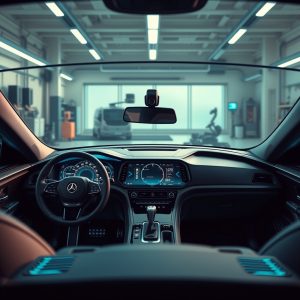
While the technology behind this ecosystem is undeniably impressive, it’s important not to lose sight of the human element. The goal of autonomous driving and SDVs is not to replace human drivers but to enhance the driving experience, making it safer, more enjoyable, and more sustainable. Features like in-cabin intelligence—where AI-powered assistants anticipate the driver’s needs, adjust the environment, and even provide entertainment—are designed to create a more personalized and comfortable experience. Whether it’s adjusting the climate control based on the driver’s preferences or suggesting a scenic route for a weekend drive, these technologies are about putting the human at the center of the mobility experience.
As we stand on the brink of this new era, it’s clear that the invisible nexus of software-defined vehicles and autonomous driving is more than just a technological evolution—it’s a paradigm shift. It’s a future where mobility is not just about getting from point A to point B but about creating a seamless, intelligent, and sustainable ecosystem that adapts to our needs and enhances our lives. The road ahead is not just about the destination; it’s about reimagining what the journey can be.