Breathing Intelligence into Motion: How Regenerative Braking Systems and In-Cabin AI Are Crafting the Future of Driving
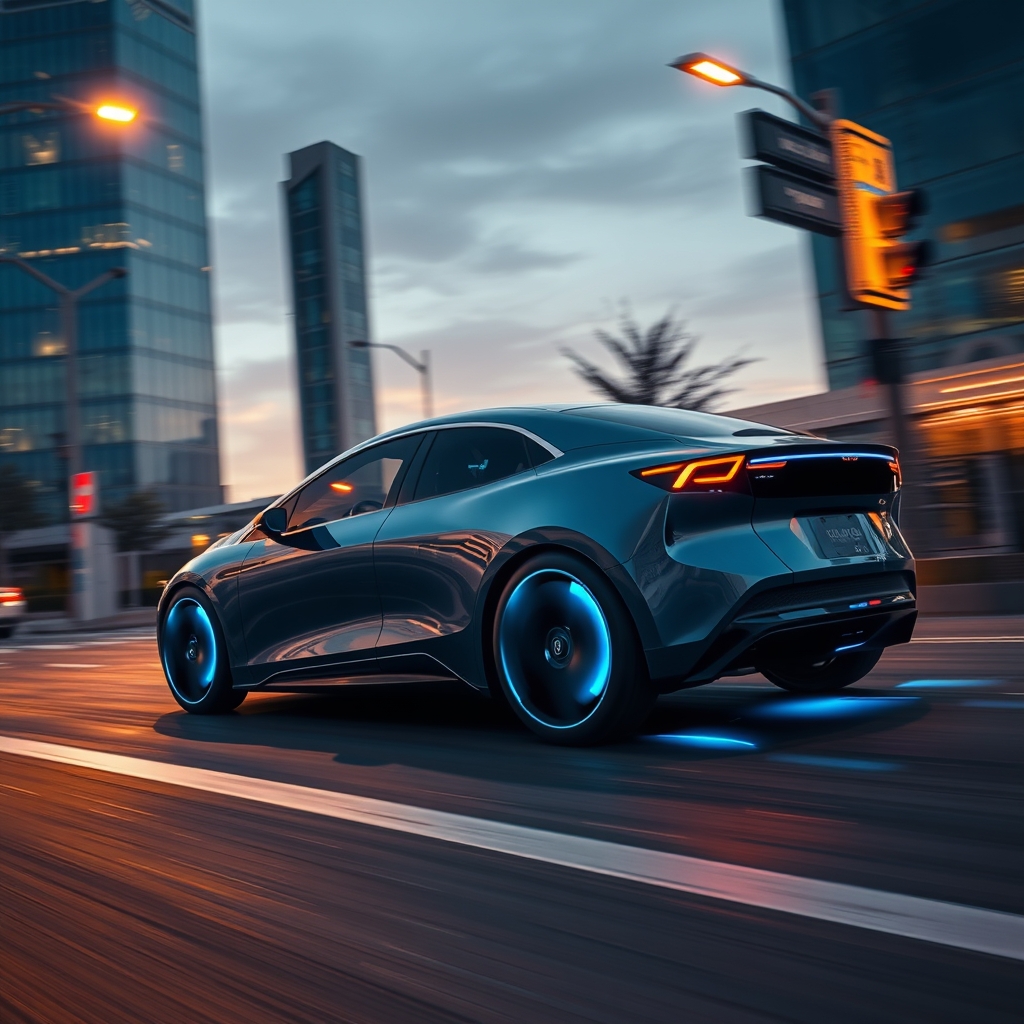
The modern vehicle is no longer just a machine of metal and motion—it is a living, breathing entity that learns, adapts, and evolves with every mile traveled. At the heart of this transformation lies the fusion of energy efficiency and artificial intelligence, where systems like regenerative braking and in-cabin AI are not just enhancing performance but redefining what it means to drive. Together, they represent a paradigm shift from passive transportation to an active, intelligent experience that prioritizes sustainability, safety, and seamless interaction.
The Alchemy of Energy: How Regenerative Braking Transforms Motion into Power
Regenerative braking systems are one of the most elegant solutions in the electric vehicle (EV) ecosystem, turning the act of slowing down into an opportunity to recharge. Unlike traditional braking, which dissipates kinetic energy as heat, regenerative braking captures it and converts it back into electrical energy, feeding it directly into the battery. This not only extends the vehicle’s range but also reduces wear on mechanical components, creating a more efficient and durable system.
In urban environments, where stop-and-go traffic is the norm, regenerative braking shines. Studies have shown that in city driving, these systems can recover up to 30% of the energy that would otherwise be lost. This efficiency is further amplified when paired with predictive AI, which anticipates traffic patterns and adjusts braking force to maximize energy recovery. The result is a vehicle that doesn’t just consume energy—it conserves and regenerates it, embodying the principles of a circular economy in motion.
Beyond Efficiency: The Environmental and Economic Impact
The benefits of regenerative braking extend far beyond the individual driver. By reducing the frequency of charging cycles, these systems lower the demand on power grids, particularly during peak hours. This alleviates pressure on energy infrastructure and contributes to a more stable and sustainable energy ecosystem. Additionally, the reduced wear on brake pads and rotors translates to fewer replacements, lowering maintenance costs and minimizing the environmental footprint of manufacturing and disposal.
For fleet operators and ride-sharing services, the economic advantages are even more pronounced. Vehicles equipped with advanced regenerative braking systems can achieve longer operational lifespans and lower total cost of ownership, making them a compelling choice for businesses focused on sustainability and profitability. As cities around the world push for greener transportation solutions, regenerative braking is emerging as a cornerstone of the low-emission mobility revolution.
The Brain Inside the Cabin: How AI is Redefining the Driving Experience
While regenerative braking optimizes the vehicle’s interaction with the road, in-cabin intelligence is transforming the relationship between the driver, passengers, and the vehicle itself. Modern EVs are no longer just modes of transport—they are personalized spaces that learn, anticipate, and adapt to the needs of their occupants. At the core of this evolution is artificial intelligence, which powers everything from voice-activated controls to predictive climate adjustments.
Imagine stepping into your vehicle on a cold winter morning. Before you even adjust the seat, the AI has already warmed the cabin to your preferred temperature, selected your favorite playlist, and adjusted the ambient lighting to match your mood. As you drive, the system monitors your stress levels through biometric sensors, subtly altering the environment to keep you calm and focused. If it detects signs of fatigue, it might suggest a rest stop or even take control of the vehicle in autonomous mode to ensure your safety.
The Power of Personalization and Proactivity
In-cabin AI is not just about convenience—it’s about creating a proactive and intuitive experience. By analyzing data from previous trips, the system can predict your destination, suggest optimal routes, and even reserve parking spots in advance. It can also integrate with smart home ecosystems, allowing you to control your thermostat, lights, or security system from the driver’s seat. This level of personalization blurs the line between the vehicle and the digital world, making every journey feel uniquely tailored to the individual.
Safety is another critical dimension of in-cabin intelligence. AI-powered systems can detect distractions, such as a driver looking at their phone, and issue alerts or even intervene to prevent accidents. For families, features like child presence detection ensure that no one is accidentally left behind in the vehicle, addressing a critical safety concern. By combining sensors, cameras, and machine learning, in-cabin AI is not just enhancing comfort—it’s saving lives.
The Synergy of Efficiency and Intelligence: A New Era of Mobility
The true magic of modern mobility lies in the synergy between regenerative braking systems and in-cabin AI. Together, they create a vehicle that is not only efficient and sustainable but also deeply attuned to the needs of its occupants. Regenerative braking ensures that every ounce of energy is used wisely, while in-cabin AI ensures that every moment spent in the vehicle is safe, comfortable, and personalized. This fusion of technology and human-centric design is paving the way for a future where driving is no longer a chore but an experience—one that is seamless, intuitive, and in harmony with the world around us.
As these technologies continue to evolve, they will unlock new possibilities for urban mobility, autonomous driving, and even vehicle-to-everything (V2X) communication. Imagine a world where your vehicle not only charges itself but also communicates with traffic lights to optimize your commute, or where in-cabin AI collaborates with city infrastructure to reduce congestion and emissions. The road ahead is not just about getting from point A to point B—it’s about reimagining what it means to move through the world, with intelligence, efficiency, and sustainability at the core of every journey.