The Silent Revolution: How Vehicle-to-Everything and Aerodynamic Efficiency Are Redefining the Future of Connected Mobility
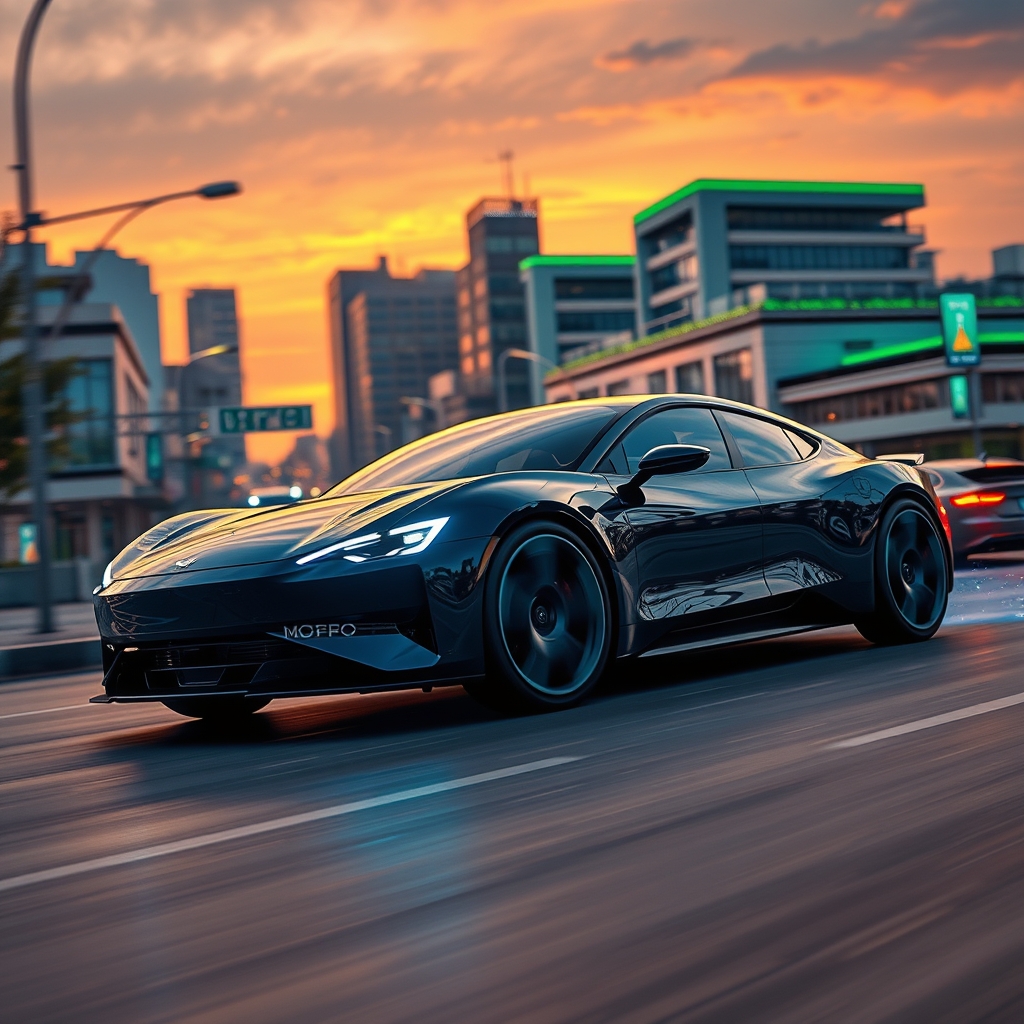
The automotive industry is undergoing a transformation so profound that its ripple effects are reshaping not just how we drive, but how we live. At the heart of this shift lies a convergence of technologies that are turning vehicles into nodes of a vast, intelligent network. Among these, Vehicle-to-Everything (V2X) communication and aerodynamic efficiency stand out as silent yet powerful architects of a new era—one where mobility is not only smarter but also seamlessly integrated into the fabric of our cities and lives.
The Rise of Vehicle-to-Everything: A Network of Intelligence
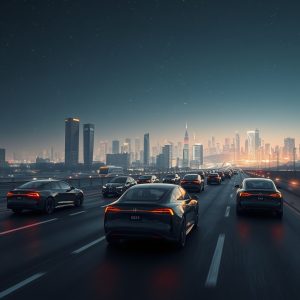
Imagine a world where your car doesn’t just navigate roads but communicates with them. V2X technology is making this a reality by enabling vehicles to exchange real-time data with infrastructure, pedestrians, and other vehicles. This isn’t just about avoiding collisions—though that’s a critical benefit—it’s about creating a dynamic ecosystem where every element of the transportation network operates in harmony. Traffic lights adjust in real-time to optimize flow, emergency vehicles receive priority routes, and drivers are alerted to hazards before they come into view. The result? A reduction in congestion, emissions, and accidents, all while enhancing the overall efficiency of urban mobility.
But V2X is more than a safety feature; it’s the backbone of a connected future. By integrating with smart city infrastructure, vehicles become extensions of a larger digital ecosystem. Parking spaces communicate availability, charging stations negotiate power distribution, and even road conditions are monitored and shared instantaneously. This level of connectivity doesn’t just improve the driving experience—it redefines what it means to be mobile in the 21st century.
Aerodynamic Efficiency: The Art of Silent Speed
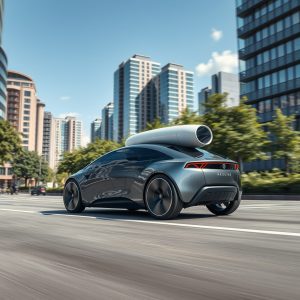
While V2X focuses on the digital, aerodynamic efficiency is a testament to the physical ingenuity shaping modern vehicles. The quest for sleeker, more streamlined designs isn’t just about aesthetics—it’s about unlocking performance and sustainability. Every curve, every angle, and every material choice is optimized to reduce drag, which in turn enhances energy efficiency. For electric vehicles (EVs), this is particularly crucial, as reduced drag translates directly into extended range and lower energy consumption.
Advancements in computational fluid dynamics (CFD) and wind tunnel testing have allowed engineers to push the boundaries of what’s possible. Active aerodynamics, such as adjustable spoilers and grille shutters, adapt in real-time to driving conditions, further minimizing resistance. Meanwhile, lightweight materials like carbon fiber and advanced composites not only improve aerodynamics but also contribute to overall vehicle efficiency. The result is a generation of vehicles that glide effortlessly through the air, consuming less energy and leaving a smaller environmental footprint.
The Synergy of V2X and Aerodynamics: A New Paradigm
The true magic happens when V2X and aerodynamic efficiency converge. A vehicle that communicates with its surroundings can anticipate changes in traffic or road conditions, adjusting its aerodynamic features to optimize performance. For instance, if a car detects an upcoming traffic jam, it can preemptively reduce drag to conserve energy, or if it senses a clear stretch of highway, it can deploy active aerodynamic elements to enhance speed and stability. This synergy doesn’t just improve individual vehicle performance—it elevates the entire transportation network.
Moreover, this integration extends beyond the vehicle itself. Smart infrastructure, such as wind barriers or dynamic road signs, can work in tandem with V2X-enabled vehicles to create a cohesive, energy-efficient mobility ecosystem. Cities can design roads and traffic patterns that complement aerodynamic efficiency, further reducing energy consumption and emissions. The possibilities are as vast as they are exciting.
The Road Ahead: Challenges and Opportunities
Despite the promise of V2X and aerodynamic efficiency, challenges remain. Standardization of V2X protocols is still evolving, and widespread adoption will require collaboration between automakers, governments, and technology providers. Similarly, the cost of advanced aerodynamic materials and active systems can be prohibitive, though economies of scale are gradually making these technologies more accessible.
Yet, the opportunities far outweigh the hurdles. As urbanization accelerates and the demand for sustainable mobility grows, the need for intelligent, efficient transportation solutions becomes more urgent. V2X and aerodynamic efficiency are not just incremental improvements—they are foundational elements of a future where mobility is cleaner, safer, and more connected than ever before.
The roads of tomorrow are being paved today, not with asphalt alone, but with data, innovation, and a vision of harmony between technology and the environment. As vehicles evolve into intelligent, energy-efficient machines, they are not just changing how we move—they are redefining what it means to be part of a connected world. The silent revolution is underway, and its impact will be felt for generations to come.