
The Invisible Horizon: How Liquid Hydrogen Storage and Aerodynamic Efficiency Are Crafting the Zero-Emission Future
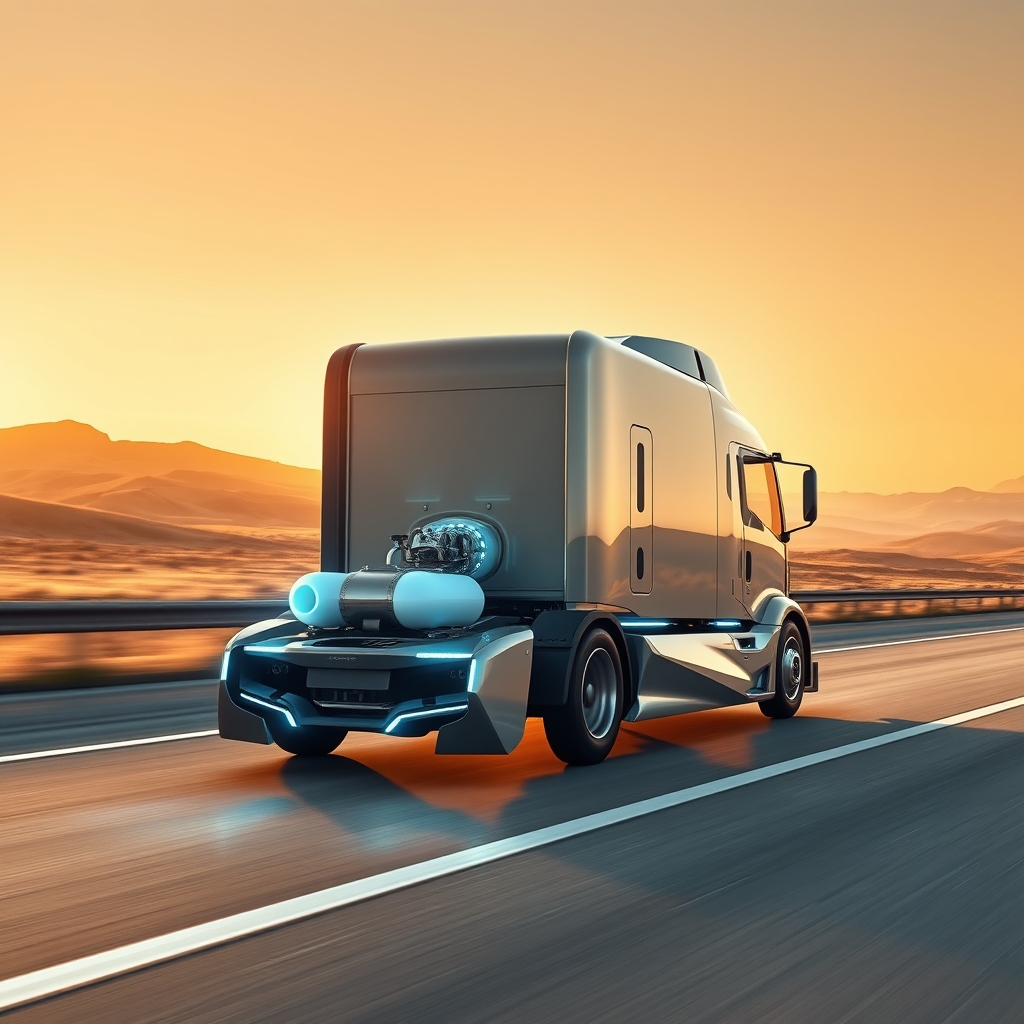
The automotive industry is undergoing a seismic shift, one where the boundaries of innovation are being redrawn by technologies that promise not just efficiency, but a fundamental reimagining of mobility. At the heart of this transformation lies a delicate balance between power and sustainability, a balance that is increasingly being struck by the convergence of two groundbreaking advancements: liquid hydrogen storage and aerodynamic efficiency. Together, they are not merely enhancing the performance of vehicles but are redefining what it means to move in a world where zero emissions are no longer an aspiration but an imperative.
The Liquid Revolution: Hydrogen’s Second Act
Hydrogen fuel cells have long been hailed as a cornerstone of zero-emission mobility, offering a clean alternative to traditional fossil fuels. However, their widespread adoption has been hindered by challenges related to storage and distribution. Enter liquid hydrogen storage—a game-changer that is unlocking the full potential of hydrogen as a fuel source. By cooling hydrogen to cryogenic temperatures, it can be stored in a dense, liquid form, significantly increasing its energy density and making it far more practical for long-range applications.
This innovation is particularly transformative for sectors where weight and space are critical constraints, such as heavy-duty trucking and aviation. Liquid hydrogen storage systems can store up to three times more energy per unit of volume compared to compressed hydrogen gas, enabling vehicles to travel farther without the need for frequent refueling. Moreover, the infrastructure required for liquid hydrogen is becoming increasingly viable, with advancements in cryogenic technology and the establishment of refueling networks that mirror the convenience of traditional gasoline stations.
The Efficiency Paradox: Why Aerodynamics Matter More Than Ever
While liquid hydrogen storage addresses the energy density challenge, aerodynamic efficiency tackles another critical aspect of sustainable mobility: energy consumption. The principle is simple—reduce drag, and you reduce the energy required to propel a vehicle forward. Yet, the execution is anything but simple. Modern automotive design is a masterclass in balancing aesthetics, functionality, and efficiency, where every curve, edge, and surface is meticulously engineered to minimize air resistance.
Advancements in computational fluid dynamics (CFD) and wind tunnel testing have enabled designers to push the boundaries of aerodynamic efficiency. Features such as active grille shutters, underbody panels, and even morphing body panels that adjust in real-time to optimize airflow are becoming standard in next-generation vehicles. These innovations are not just about improving range; they are about redefining the very shape of mobility. For instance, the integration of aerodynamic principles in electric vehicles (EVs) has led to designs that are not only sleek but also capable of extending battery life by reducing the energy demands of propulsion.
The Synergy of Sustainability and Performance
The true magic happens when liquid hydrogen storage and aerodynamic efficiency converge. Together, they create a synergy that amplifies the benefits of each technology. Liquid hydrogen provides the energy density needed for long-range travel, while aerodynamic efficiency ensures that this energy is used as sparingly as possible. The result is a vehicle that is not only capable of covering vast distances without emissions but also does so with unprecedented efficiency.
This synergy is particularly evident in the realm of commercial transportation. Fleet operators are increasingly turning to hydrogen-powered trucks equipped with advanced aerodynamic features to meet stringent emissions regulations while maintaining operational efficiency. For example, a hydrogen-powered long-haul truck with a streamlined design can achieve ranges of over 1,000 kilometers on a single tank, all while producing nothing more than water vapor as a byproduct. This is a far cry from the diesel-guzzling behemoths of the past, and it signals a paradigm shift in how we think about freight and logistics.
The Road Ahead: Challenges and Opportunities
Despite the promise of these technologies, challenges remain. Liquid hydrogen storage, for instance, requires significant energy to maintain cryogenic temperatures, and the infrastructure for widespread adoption is still in its infancy. Similarly, achieving optimal aerodynamic efficiency often involves trade-offs with other design priorities, such as passenger comfort and cargo space. However, these challenges are not insurmountable. Innovations in materials science, such as the development of lightweight, high-strength composites, are helping to mitigate some of these trade-offs, while advancements in renewable energy are making the production of green hydrogen more feasible.
The opportunities, on the other hand, are vast. As governments and industries commit to decarbonization targets, the demand for zero-emission solutions is set to skyrocket. Liquid hydrogen storage and aerodynamic efficiency are poised to play a pivotal role in meeting this demand, offering a pathway to a future where mobility is not only clean but also efficient and accessible. The journey is just beginning, but the destination—a world where vehicles glide silently and effortlessly, leaving no trace behind—is within reach.
The road to zero emissions is not a single path but a tapestry of interconnected innovations, each thread reinforcing the others. Liquid hydrogen storage and aerodynamic efficiency are two of the most vibrant threads in this tapestry, weaving together a future where the act of moving from one place to another is as natural and harmonious as the world we strive to protect. As these technologies continue to evolve, they remind us that the future of mobility is not just about getting from point A to point B—it’s about doing so in a way that leaves the planet better than we found it.