The Invisible Network: How Vehicle-to-Everything and Predictive Maintenance AI Are Crafting the Smart Mobility Ecosystem of Tomorrow
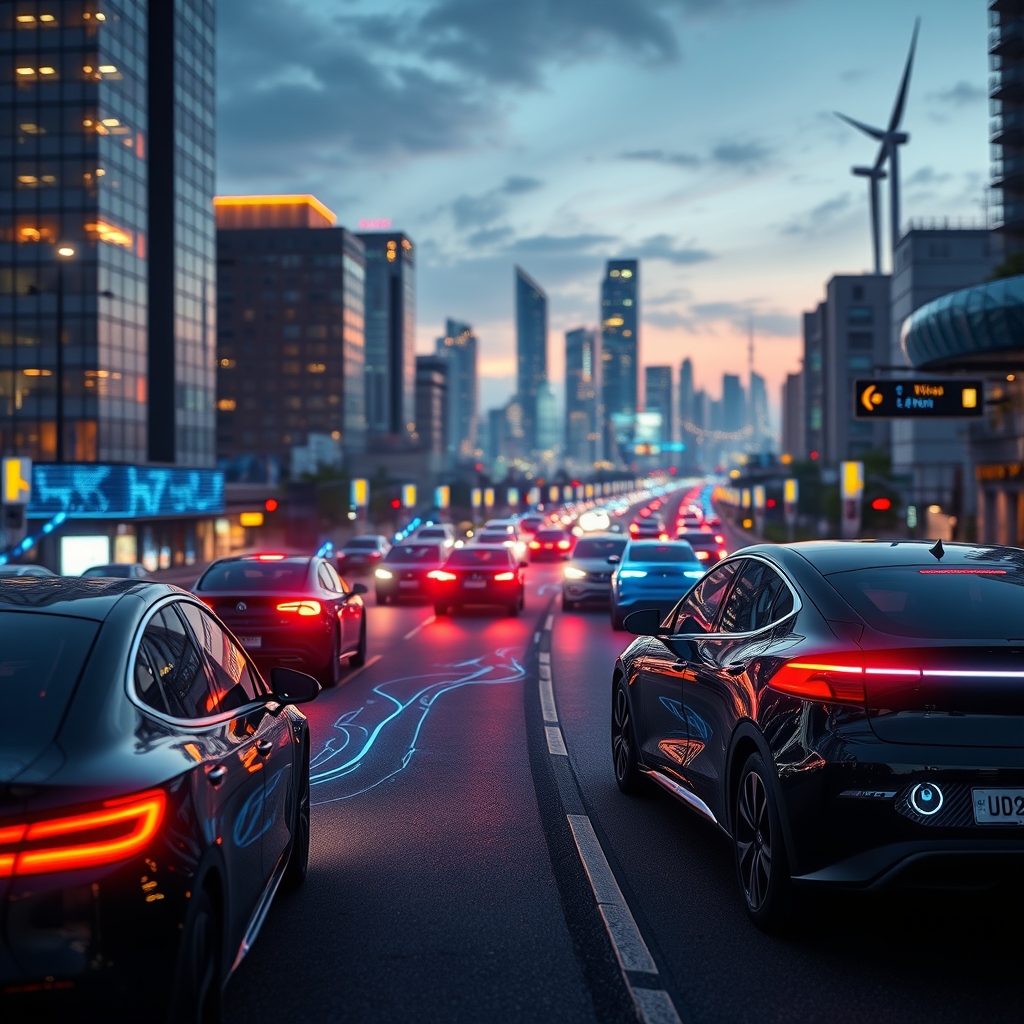
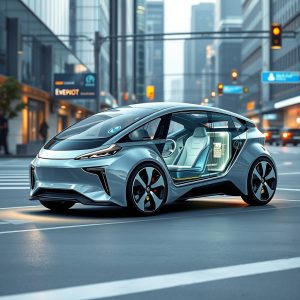
The roads of the future are no longer just stretches of asphalt; they are dynamic, intelligent networks where vehicles, infrastructure, and even pedestrians communicate seamlessly. At the heart of this transformation lies Vehicle-to-Everything (V2X) technology, a revolutionary system that enables cars to exchange real-time data with traffic lights, road sensors, other vehicles, and even smart city grids. When combined with Predictive Maintenance AI, this invisible network doesn’t just enhance safety and efficiency—it redefines the very fabric of mobility, turning every journey into a data-driven, proactive experience.
The Foundation of a Connected Ecosystem
V2X technology is the backbone of the smart mobility ecosystem, operating through a combination of dedicated short-range communications (DSRC) and cellular-based systems (C-V2X). Unlike traditional sensors that rely on line-of-sight detection, V2X allows vehicles to “see” around corners, anticipate hazards, and adapt to changing conditions before they become visible. Imagine a car approaching an intersection where another vehicle has run a red light. Instead of relying on the driver’s reaction time, V2X instantly alerts both vehicles, applying brakes autonomously to prevent a collision. This isn’t speculative fiction—it’s a reality being tested in cities like Detroit, Tokyo, and Berlin, where pilot programs are already demonstrating its life-saving potential.
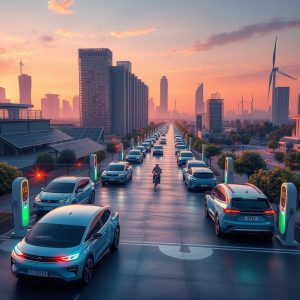
But V2X’s capabilities extend far beyond collision avoidance. In urban environments, it enables traffic lights to adjust dynamically based on real-time congestion, reducing idle time and emissions. On highways, it facilitates platooning, where trucks and cars travel in close formation at high speeds, reducing aerodynamic drag and improving fuel efficiency. Even pedestrians benefit, as their smartphones can send signals to approaching vehicles, ensuring crosswalks are safer than ever before. The result is a mobility ecosystem that is not just reactive but anticipatory, where every element works in harmony to create smoother, faster, and safer journeys.
The AI Guardian: Predictive Maintenance in the Digital Age
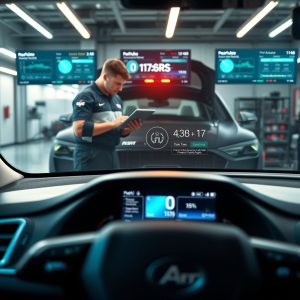
While V2X connects vehicles to the world around them, Predictive Maintenance AI ensures they remain in peak condition by monitoring their internal health. Traditional maintenance relies on fixed schedules or warning lights that alert drivers only after a problem has arisen. Predictive Maintenance AI, however, uses a network of sensors, machine learning algorithms, and historical data to forecast issues before they occur. A slight vibration in the motor, an unusual temperature spike in the battery, or a minor deviation in brake performance—these subtle anomalies are detected and analyzed in real time, allowing for interventions that prevent breakdowns, extend vehicle lifespans, and reduce costly repairs.
For fleet operators, this technology is a game-changer. Delivery trucks, ride-sharing vehicles, and public transit systems can minimize downtime by scheduling maintenance during off-peak hours, ensuring maximum availability. For individual drivers, it means fewer unexpected trips to the mechanic and greater confidence in their vehicle’s reliability. But the benefits go beyond convenience. By optimizing maintenance schedules, Predictive Maintenance AI reduces waste—fewer parts are replaced prematurely, and resources are used more efficiently. In an era where sustainability is paramount, this intelligent approach to vehicle upkeep aligns perfectly with the broader goals of the circular economy.
The Synergy of V2X and Predictive Maintenance AI
The true power of this technological duo lies in their synergy. V2X doesn’t just connect vehicles to the external world; it also feeds real-time operational data into Predictive Maintenance AI systems. For example, if a vehicle frequently encounters rough road conditions or heavy traffic, the AI can adjust its maintenance predictions to account for increased wear and tear. Conversely, insights from Predictive Maintenance can enhance V2X communications—if a vehicle’s battery health is degrading, it can signal charging stations along its route to prepare for a stop, ensuring optimal performance without unexpected delays.
This interconnectedness also paves the way for new business models. Mobility-as-a-Service (MaaS) providers can use V2X and Predictive Maintenance data to offer dynamic pricing, adjusting fares based on vehicle availability, traffic conditions, and even the health of the fleet. Insurance companies can shift from reactive models to proactive risk assessment, offering lower premiums to drivers whose vehicles are well-maintained and equipped with V2X safety features. The possibilities are as vast as they are transformative, turning every vehicle into a node in a larger, smarter network.
Challenges and the Road Ahead
Despite its promise, the widespread adoption of V2X and Predictive Maintenance AI faces hurdles. Standardization remains a key challenge, as different regions and manufacturers use varying communication protocols. Privacy concerns also loom large—how do we ensure that the vast amounts of data generated by these systems are secure and used ethically? And then there’s the question of infrastructure. Smart cities must invest in the necessary hardware, from roadside units to 5G networks, to fully realize V2X’s potential. Without these foundational elements, the vision of a fully connected mobility ecosystem remains just that—a vision.
Yet, the momentum is undeniable. Governments and automakers are increasingly collaborating to overcome these barriers. The European Union’s C-ITS initiative, for instance, aims to deploy V2X technology across member states, while companies like Tesla, BMW, and Ford are integrating Predictive Maintenance AI into their latest models. As these technologies mature, they will not only enhance individual vehicles but also create a ripple effect across industries, from logistics to urban planning.
The Human Element: Redefining the Driving Experience
At its core, the fusion of V2X and Predictive Maintenance AI is about more than just technology—it’s about redefining the relationship between humans and machines. Drivers are no longer isolated operators but active participants in a larger, intelligent network. The stress of navigating congested roads, the anxiety of unexpected breakdowns, and the frustration of inefficient routes are gradually being replaced by a sense of confidence and control. Vehicles are evolving from mere tools of transportation into trusted co-pilots, anticipating needs and adapting to challenges in real time.
This shift also has profound implications for accessibility. For the elderly or those with disabilities, V2X-enabled vehicles can provide greater independence, offering real-time assistance and adaptive features tailored to individual needs. Predictive Maintenance ensures that these vehicles remain reliable, reducing the burden of upkeep and allowing users to focus on what matters most—their journeys, their destinations, and the experiences along the way.
The roads of tomorrow are being built today, not with concrete and steel, but with data, algorithms, and a shared vision of a smarter, safer, and more sustainable future. As vehicles become nodes in an invisible network, they are no longer just modes of transport but integral parts of a dynamic ecosystem where every interaction is an opportunity for optimization, every journey a step toward a more connected world. The question is no longer whether this future will arrive, but how quickly we can adapt to embrace it—and the answer lies in the choices we make today, from the technologies we invest in to the policies we shape and the values we prioritize. In this evolving landscape, the only constant is change, and the only limit is our imagination.