The Invisible Fusion: How 800 Volt Architecture and Autonomous Driving Are Crafting the Self-Driving Ecosystem of Tomorrow
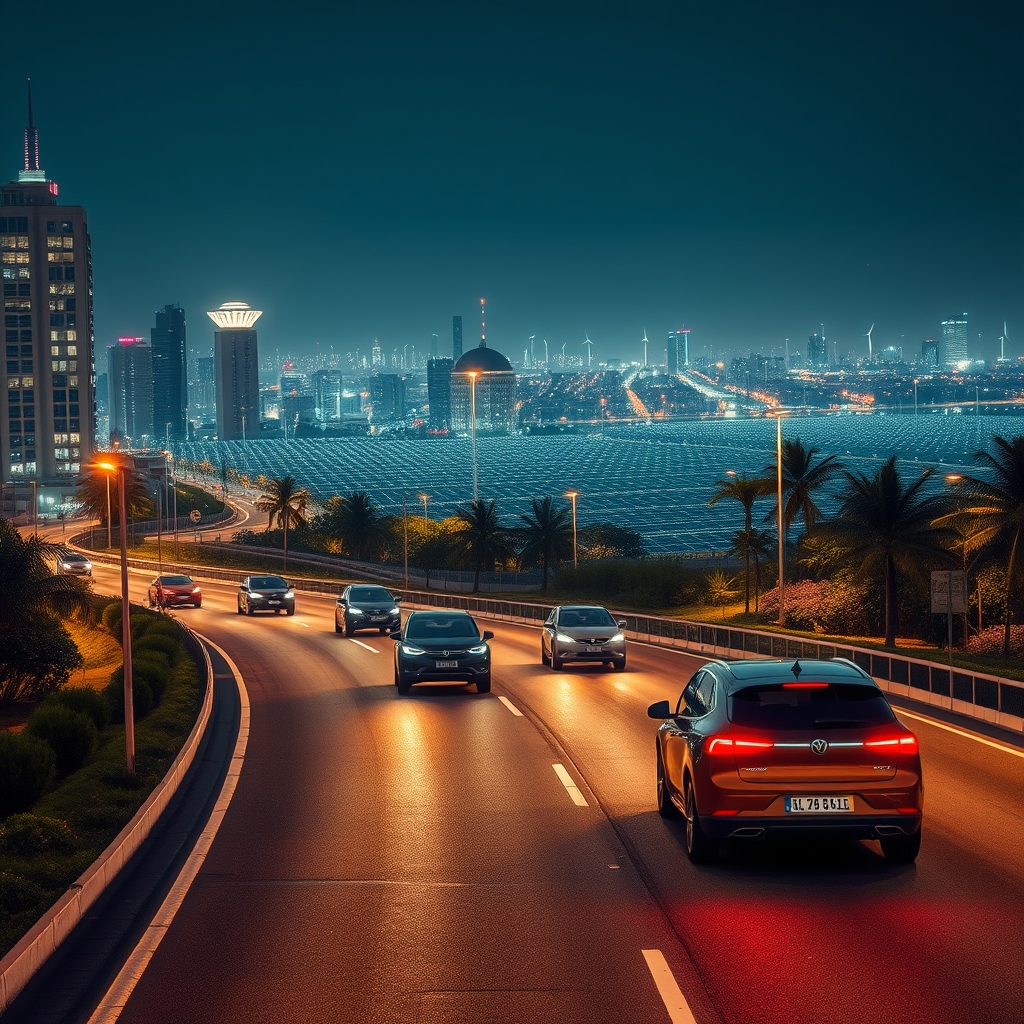
The automotive industry is on the cusp of a revolution, one that promises to redefine the way we think about mobility. At the heart of this transformation are two groundbreaking technologies: 800 Volt Architecture and Autonomous Driving. Together, they are crafting a self-driving ecosystem that is not only efficient but also sustainable and intelligent.
The Rise of 800 Volt Architecture
800 Volt Architecture is a game-changer in the world of electric vehicles (EVs). It involves the use of higher voltage batteries, which allows for more efficient energy storage and usage. This means that EVs with 800 Volt Architecture can travel longer distances on a single charge, making them more practical for everyday use.
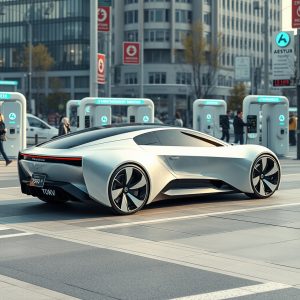
But the benefits of 800 Volt Architecture go beyond just range. It also enables faster charging times, which is crucial for the widespread adoption of EVs. With 800 Volt Architecture, EVs can be charged to 80% capacity in just 15 minutes, a significant improvement over the current standard.
The Dawn of Autonomous Driving
Autonomous Driving, or self-driving technology, is another key player in the future of mobility. It involves the use of advanced sensors, artificial intelligence, and machine learning to enable vehicles to drive themselves. This technology has the potential to revolutionize the way we commute, making it safer, more efficient, and more convenient.
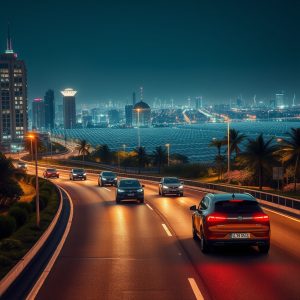
Autonomous Driving is not just about convenience. It also has the potential to reduce traffic congestion and improve air quality. By enabling vehicles to communicate with each other and with infrastructure, Autonomous Driving can create a more efficient and coordinated traffic system.
The Fusion of 800 Volt Architecture and Autonomous Driving
The fusion of 800 Volt Architecture and Autonomous Driving is creating a self-driving ecosystem that is not only efficient but also sustainable and intelligent. This ecosystem is being powered by a combination of advanced technologies, including predictive maintenance AI, solid state batteries, and regenerative braking systems.
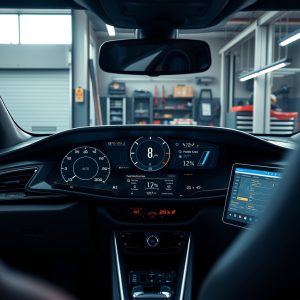
Predictive Maintenance AI is used to monitor the health of the vehicle and its components, predicting when maintenance is needed and scheduling it in advance. This not only reduces downtime but also extends the lifespan of the vehicle.
Solid State Batteries are another key component of this ecosystem. They offer several advantages over traditional lithium-ion batteries, including higher energy density, faster charging times, and longer lifespan. This makes them ideal for use in autonomous vehicles, where reliability and performance are critical.
Regenerative Braking Systems are also being integrated into this ecosystem. These systems capture the kinetic energy generated during braking and convert it into electrical energy, which is then stored in the vehicle’s battery. This not only improves energy efficiency but also extends the range of the vehicle.
The Future of Mobility
The fusion of 800 Volt Architecture and Autonomous Driving is not just about creating a more efficient and sustainable mode of transport. It is also about creating a smarter, more connected ecosystem that can learn and adapt to its users’ needs.
In this ecosystem, vehicles will be able to communicate with each other and with infrastructure, creating a more efficient and coordinated traffic system. They will also be able to learn from their users’ behavior, predicting their needs and anticipating their movements.
This level of intelligence and connectivity is not just about convenience. It is about safety. By enabling vehicles to communicate with each other and with infrastructure, this ecosystem can create a more safe and predictable environment for all road users.
The future of mobility is here, and it is being powered by the fusion of 800 Volt Architecture and Autonomous Driving. This ecosystem is not just about creating a more efficient and sustainable mode of transport. It is about creating a smarter, more connected, and safer future for all.