Driving the Future: Unpacking the Next Wave of Automotive Innovation
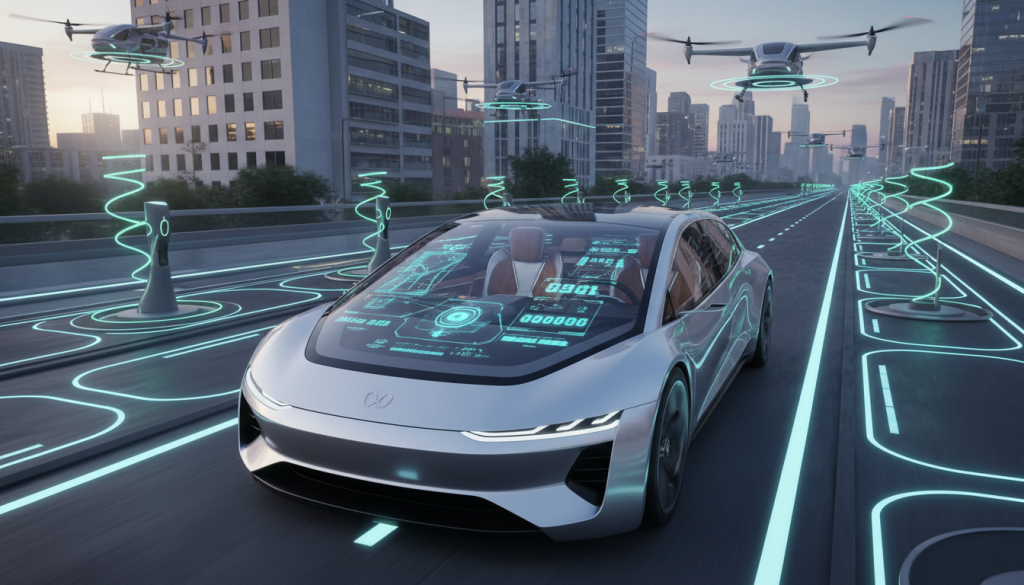
The automotive industry is in the midst of an unprecedented transformation, moving beyond mere transportation to become a dynamic ecosystem of advanced technologies. We’re witnessing a paradigm shift driven by sustainability, connectivity, and intelligence. At the heart of this revolution lies the rapid expansion of robust Electric Vehicle Infrastructure, paving the way for a cleaner future, hand-in-hand with the revolutionary advancements in Autonomous Driving Systems that promise safer and more efficient journeys. This isn’t just about new cars; it’s about reimagining mobility itself, from the ground up.
Powering Tomorrow’s Rides: Beyond the Pump
The quest for sustainable energy solutions continues to accelerate, with groundbreaking advancements in battery technology and alternative fuels. Solid State Batteries are emerging as a game-changer, promising higher energy density, faster charging times, and enhanced safety compared to traditional lithium-ion cells. This innovation is crucial for extending range and reducing the weight of electric vehicles.
Beyond batteries, Hydrogen Fuel Cells offer another compelling zero-emission alternative, particularly for heavier vehicles and long-haul transport where rapid refueling is essential. The development of a widespread hydrogen infrastructure is key to unlocking its full potential, complementing the growing EV charging networks.
Furthermore, the way we interact with vehicle power is evolving. Bidirectional Charging allows EVs to not only draw power from the grid but also feed it back, turning vehicles into mobile energy storage units that can support homes or stabilize the grid. This capability, combined with efficient Regenerative Braking systems that capture energy during deceleration, significantly enhances overall energy efficiency and sustainability.
The Intelligent Vehicle: Software and Connectivity at its Core
Modern vehicles are increasingly becoming sophisticated computers on wheels. The concept of Software Defined Vehicles signifies a shift where features and performance are largely dictated by software, allowing for over-the-air updates and personalization. This paradigm enables continuous improvement and adaptation throughout a vehicle’s lifespan.
The journey towards fully autonomous vehicles is heavily reliant on sophisticated Advanced Driver Assistance (ADAS) features, which form the building blocks of future Autonomous Driving Systems. These systems leverage an intricate web of sensors, cameras, and AI to perceive the environment and make real-time decisions, enhancing safety and reducing driver fatigue.
Integral to this evolution is the burgeoning Connected Car Ecosystems. Vehicles are no longer isolated; they communicate with each other (V2V), with infrastructure (V2I), and with the cloud, creating a seamless and intelligent transportation network. This connectivity is further supported by advanced simulation and testing, often utilizing Digital Twin Engineering to virtually develop and validate vehicle designs and software before physical production.
Redefining the Driving Experience and Access
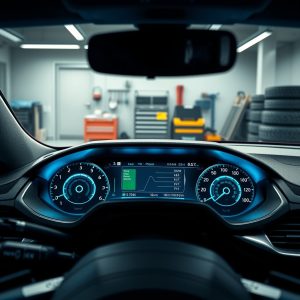
The interior of a future vehicle will be far more than just a cabin; it will be a personalized, interactive space. Augmented Reality Dashboards are set to transform information display, overlaying navigation, speed, and hazard warnings directly onto the driver’s view of the road. This reduces distraction and enhances situational awareness.
Privacy and convenience are also being addressed with innovations like Biometric Vehicle Access, allowing secure entry and personalized settings based on fingerprint or facial recognition. Complementing this, Smart Glass Technology can dynamically adjust transparency and tint, offering privacy on demand or optimizing cabin temperature and light.
The ownership model itself is transforming. Subscription Based Features allow drivers to activate or deactivate functionalities as needed, from enhanced performance modes to specific infotainment packages, offering unprecedented flexibility. Furthermore, manufacturers are increasingly focusing on Sustainable Interiors, utilizing recycled materials, plant-based fabrics, and ethical sourcing to reduce environmental impact, even in segments like Off Road Luxury, where ruggedness meets eco-consciousness.
Urban Mobility and Sustainable Manufacturing
Our approach to urban movement is also undergoing a profound shift. The rise of Urban Air Mobility, with electric vertical take-off and landing (eVTOL) aircraft, promises to revolutionize inter-city travel and reduce congestion. Simultaneously, Micro Mobility Solutions, such as electric scooters and bikes, are addressing the ‘last-mile’ challenge, providing efficient and eco-friendly options for short distances within cities.
This commitment to sustainability extends throughout the entire lifecycle of a vehicle, from production to end-of-life. Manufacturers are striving towards Carbon Neutral Manufacturing processes, employing renewable energy sources, optimizing material use, and minimizing waste to drastically reduce their environmental footprint. Even existing vehicles are part of this green wave, with growing interest in Retrofit Electrification, converting internal combustion engine cars into EVs, extending their life and reducing emissions.
The automotive landscape is evolving at an incredible pace, driven by a convergence of technological breakthroughs and a global imperative for sustainability. From the energy powering our journeys to the intelligent systems guiding them and the personalized experiences within, every aspect is being re-imagined. Embracing these innovations will not only shape how we travel but also how we interact with our world, fostering a more connected, efficient, and environmentally responsible future for everyone on the road.