
The Alchemy of Motion: How Liquid Hydrogen Storage and Smart Glass Roofs Are Crafting the Next Era of Sustainable Mobility
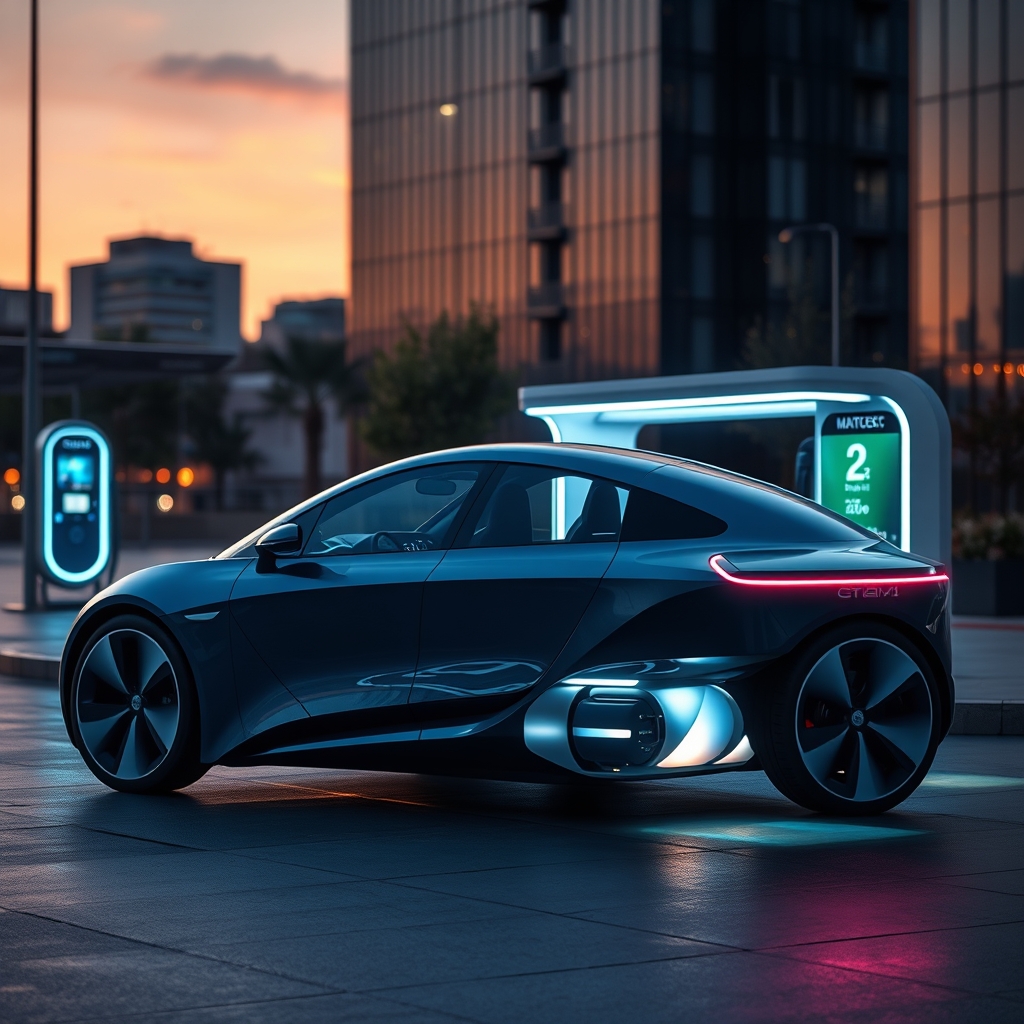
The automotive industry is undergoing a metamorphosis, one where the boundaries of innovation are not just pushed but reimagined entirely. At the heart of this transformation lies a quest for sustainability, efficiency, and intelligence—principles that are reshaping how we perceive and interact with vehicles. Among the most groundbreaking advancements are liquid hydrogen storage and smart glass roofs, two technologies that, when combined, offer a glimpse into a future where mobility is not only cleaner but also more adaptive and immersive than ever before.
The Liquid Hydrogen Revolution: A New Fuel for the Future
Hydrogen fuel cells have long been hailed as a promising alternative to traditional battery-electric vehicles, offering zero-emission driving with the added benefit of rapid refueling. However, the challenge has always been storage. Gaseous hydrogen requires high-pressure tanks, which are bulky and limit the vehicle’s range. Enter liquid hydrogen storage—a game-changer in the realm of zero-emission mobility.
Liquid hydrogen, cooled to -253°C, occupies significantly less volume than its gaseous counterpart, allowing for more efficient storage and extended driving ranges. This technology is not just a theoretical marvel; it’s already being tested in real-world applications. For instance, some of the latest prototypes from leading automakers are demonstrating ranges exceeding 1,000 kilometers on a single tank, a feat that was once thought impossible. Moreover, liquid hydrogen storage systems are lighter and more compact, freeing up space for other innovations within the vehicle’s architecture.
The implications of this technology extend beyond passenger vehicles. Commercial fleets, long-haul trucks, and even maritime and aviation industries are exploring liquid hydrogen as a viable solution to decarbonize their operations. As infrastructure for hydrogen refueling expands, the adoption of liquid hydrogen storage could accelerate, marking a pivotal shift in how we power the future of transportation.
Smart Glass Roofs: Merging Aesthetics with Intelligence
While liquid hydrogen storage addresses the energy needs of next-generation vehicles, smart glass roofs are redefining the in-cabin experience. Gone are the days when a sunroof was merely a static panel of glass. Today’s smart glass roofs are dynamic, adaptive, and intelligent, capable of transforming the ambiance of a vehicle at the touch of a button—or even autonomously.
Smart glass technology, often utilizing electrochromic or suspended particle devices, allows the glass to change its tint in response to external conditions. On a scorching summer day, the glass can darken to block out harmful UV rays, reducing the need for air conditioning and improving energy efficiency. Conversely, on a cloudy day, it can lighten to maximize natural light, creating a more open and airy cabin environment. Some advanced systems even integrate augmented reality, projecting navigation cues or points of interest directly onto the glass, blending the digital and physical worlds seamlessly.
Beyond comfort and convenience, smart glass roofs contribute to the vehicle’s overall sustainability. By regulating the cabin temperature more efficiently, they reduce the energy load on the vehicle’s climate control systems, which is particularly beneficial for electric vehicles where every watt of energy counts. Additionally, the materials used in smart glass are often recyclable, aligning with the broader industry shift toward a circular material economy.
The Synergy of Liquid Hydrogen and Smart Glass
Individually, liquid hydrogen storage and smart glass roofs are transformative, but their true potential lies in their synergy. Imagine a vehicle where the energy powering its journey is as clean as the air it leaves behind, while the cabin adapts in real-time to the needs and preferences of its occupants. This is not a distant dream but an emerging reality, one where sustainability and intelligence converge to create a holistic driving experience.
For example, a vehicle equipped with liquid hydrogen storage could leverage its extended range to explore remote destinations, while the smart glass roof enhances the journey by providing unobstructed views of the landscape. In urban settings, the same vehicle could use its adaptive glass to optimize energy efficiency, reducing the strain on the hydrogen fuel cell and extending its operational life. The possibilities are as vast as they are exciting, offering a tantalizing preview of what the future of mobility could look like.
Overcoming Challenges: The Road Ahead
Despite their promise, both liquid hydrogen storage and smart glass roofs face hurdles that must be overcome before they can achieve widespread adoption. For liquid hydrogen, the primary challenge lies in infrastructure. Building a network of refueling stations capable of handling liquid hydrogen is a complex and costly endeavor, requiring collaboration between governments, energy providers, and automakers. Additionally, the production of green hydrogen—hydrogen generated using renewable energy—must scale up to ensure that the entire lifecycle of the fuel is sustainable.
Smart glass technology, while increasingly sophisticated, still grapples with issues of cost and durability. High-quality smart glass is expensive to produce, and its long-term performance in varying environmental conditions remains a topic of ongoing research. However, as with any emerging technology, these challenges are not insurmountable. Innovations in materials science and manufacturing processes are steadily driving down costs and improving reliability, making smart glass a more viable option for mass-market vehicles.
The Role of AI and Predictive Maintenance
No discussion of next-generation mobility would be complete without mentioning the role of artificial intelligence. AI is the invisible thread that ties together the innovations in liquid hydrogen storage and smart glass roofs, enabling predictive maintenance and enhancing the overall efficiency of the vehicle. For instance, AI-driven sensors can monitor the health of the hydrogen fuel cell, predicting potential issues before they arise and optimizing performance to extend the vehicle’s range. Similarly, AI can analyze data from the smart glass roof to adjust its tint dynamically, balancing comfort, energy efficiency, and visibility.
Predictive maintenance, powered by AI, is particularly crucial for liquid hydrogen vehicles. The extreme temperatures required to store hydrogen in its liquid state demand robust and reliable systems. AI can ensure that these systems operate at peak efficiency, reducing the risk of failures and minimizing downtime. This not only enhances the safety and reliability of the vehicle but also builds consumer confidence in hydrogen as a viable fuel source.
As we stand on the cusp of a new era in mobility, the fusion of liquid hydrogen storage and smart glass roofs represents more than just technological advancement—it embodies a shift in how we think about transportation. These innovations are not merely about getting from point A to point B; they are about redefining the journey itself, making it cleaner, smarter, and more attuned to the needs of both the planet and its people. The road ahead is paved with challenges, but it is also brimming with opportunity, offering a vision of a future where mobility is not just a means to an end, but a seamless and sustainable part of our daily lives.