
The Silent Revolution: How Hydrogen Fuel Cells and Liquid Hydrogen Storage Are Redefining Zero-Emission Mobility
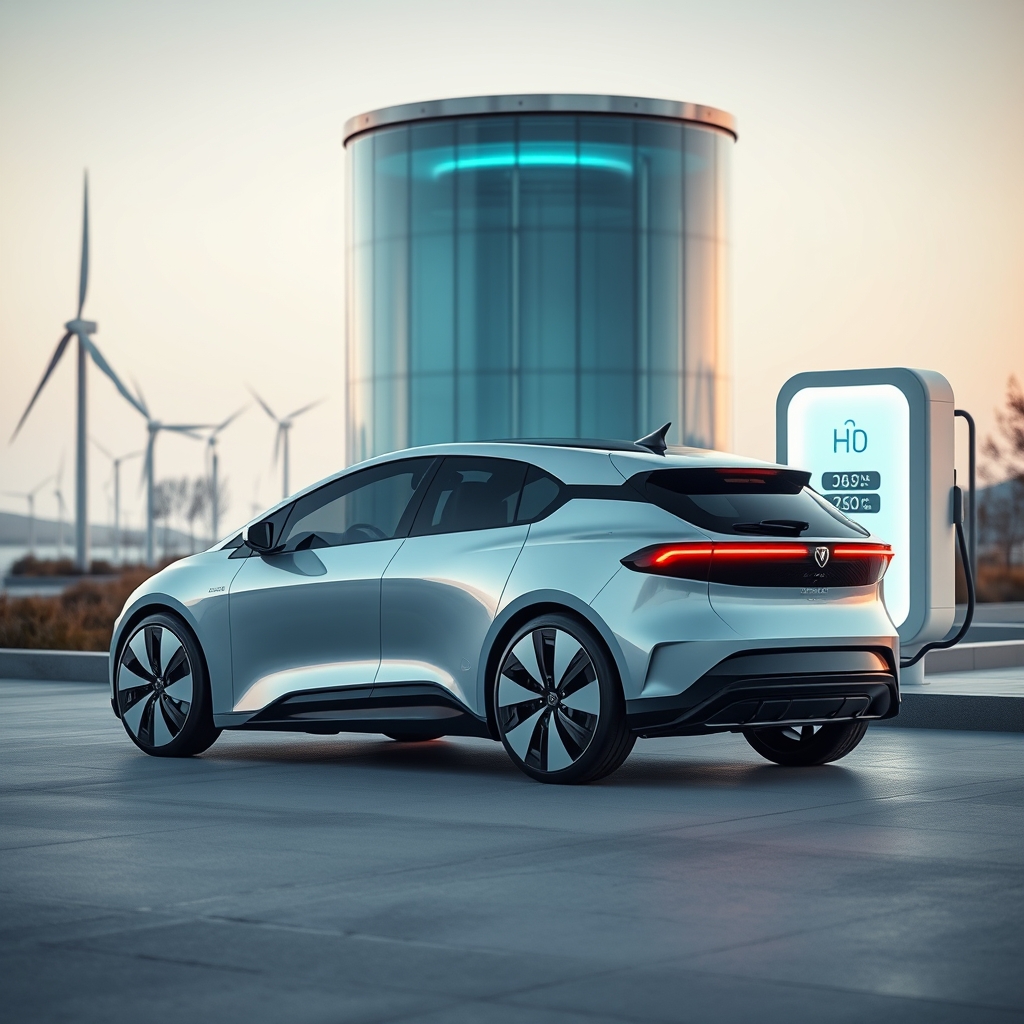
The automotive industry is undergoing a seismic shift, one that transcends the boundaries of traditional engineering and reimagines what it means to move sustainably. While battery-electric vehicles (BEVs) have dominated the conversation around zero-emission mobility, a quieter yet equally transformative revolution is unfolding—one powered by hydrogen fuel cells and liquid hydrogen storage. This technology promises to address some of the most persistent challenges of electrification, from range anxiety to charging infrastructure, while offering a pathway to truly sustainable transportation.
The Hydrogen Advantage: Beyond the Battery
Hydrogen fuel cells operate on a fundamentally different principle than lithium-ion batteries. Instead of storing electricity, they generate it on-demand through a chemical reaction between hydrogen and oxygen, producing only water vapor as a byproduct. This process eliminates tailpipe emissions entirely, making fuel cell electric vehicles (FCEVs) one of the cleanest forms of transportation available. But the advantages extend far beyond environmental benefits.
One of the most compelling aspects of hydrogen fuel cells is their energy density. Hydrogen contains nearly three times the energy per unit of mass compared to gasoline, and significantly more than lithium-ion batteries. This translates to longer ranges—often exceeding 500 miles on a single tank—without the weight penalties associated with large battery packs. For industries like long-haul trucking, maritime shipping, and aviation, where weight and range are critical, hydrogen presents an unparalleled solution.
The Breakthrough of Liquid Hydrogen Storage
While compressed hydrogen gas has been the standard for FCEVs, liquid hydrogen storage is emerging as a game-changer. By cooling hydrogen to -253°C, it condenses into a liquid state, reducing its volume by a factor of 800. This dramatic increase in density allows for more hydrogen to be stored in a smaller, lighter tank, further enhancing the range and efficiency of FCEVs. Companies like Toyota, BMW, and Nikola are already exploring liquid hydrogen storage for their next-generation vehicles, with prototypes demonstrating its potential to rival—and even surpass—the performance of conventional fuels.
Liquid hydrogen also addresses one of the biggest hurdles in hydrogen adoption: infrastructure. Transporting and storing hydrogen in its gaseous form requires high-pressure tanks and specialized pipelines, which are costly and complex to deploy. Liquid hydrogen, on the other hand, can be transported using existing cryogenic tanker trucks and stored in insulated tanks, making it far more scalable. This could accelerate the development of hydrogen refueling networks, particularly in regions where BEV charging infrastructure is still lacking.
Synergies with Other Sustainable Technologies
The rise of hydrogen fuel cells doesn’t exist in isolation—it’s part of a broader ecosystem of innovations that are reshaping mobility. For instance, hydrogen production can be coupled with renewable energy sources like wind and solar, creating a closed-loop system where excess electricity is used to produce green hydrogen via electrolysis. This not only reduces reliance on fossil fuels but also provides a means of storing renewable energy for later use, addressing the intermittency issues that plague wind and solar power.
Moreover, hydrogen fuel cells can complement battery-electric technology in what’s known as a hybrid powertrain. Some automakers are exploring vehicles that combine a smaller battery with a fuel cell range extender, offering the best of both worlds: the efficiency of battery power for short trips and the range of hydrogen for long-distance travel. This approach could reduce the demand for rare earth minerals like lithium and cobalt, which are essential for large battery packs but come with significant environmental and ethical concerns.
The Role of Predictive Maintenance AI
As hydrogen fuel cell technology matures, so too does the intelligence embedded within these vehicles. Predictive maintenance AI is becoming an indispensable tool for ensuring the reliability and longevity of FCEVs. By analyzing data from sensors embedded in the fuel cell stack, hydrogen storage tanks, and other critical components, AI algorithms can detect anomalies before they lead to failures. This not only reduces downtime but also extends the lifespan of the vehicle, making hydrogen-powered mobility more cost-effective in the long run.
For fleet operators, this level of intelligence is a game-changer. Imagine a long-haul trucking company that can predict when a fuel cell stack will need servicing, schedule maintenance during off-peak hours, and avoid costly breakdowns on the road. The same principles apply to passenger vehicles, where predictive maintenance can enhance safety and reduce the total cost of ownership.
Overcoming the Challenges Ahead
Despite its promise, hydrogen fuel cell technology is not without its challenges. The production of green hydrogen—made using renewable energy—remains more expensive than conventional methods, which often rely on natural gas. However, as economies of scale kick in and renewable energy costs continue to fall, the price of green hydrogen is expected to drop significantly in the coming years. Initiatives like the European Union’s Hydrogen Strategy and the U.S. Department of Energy’s Hydrogen Shot aim to drive down costs and accelerate the deployment of hydrogen infrastructure.
Another hurdle is public perception. Hydrogen has long been associated with safety concerns, particularly the risk of explosions. However, modern hydrogen storage tanks are designed with multiple layers of protection, including carbon fiber reinforcement and pressure relief devices, making them as safe—if not safer—than gasoline tanks. Education and awareness campaigns will be crucial in dispelling myths and building trust in hydrogen technology.
The Circular Economy of Hydrogen
Sustainability in hydrogen mobility extends beyond the vehicle itself. The circular material economy is playing an increasingly important role in ensuring that every aspect of the hydrogen value chain is as eco-friendly as possible. For example, the carbon fiber used in hydrogen storage tanks can be recycled and repurposed, reducing waste and lowering the environmental footprint of manufacturing. Similarly, the platinum used in fuel cell catalysts can be recovered and reused, minimizing the need for mining new materials.
Automakers are also exploring bio-synthetic materials for vehicle interiors, such as leather alternatives made from agricultural waste or lab-grown mycelium. These innovations not only reduce the reliance on animal products but also align with the broader goal of creating a fully sustainable mobility ecosystem. When combined with hydrogen fuel cells, these materials help create vehicles that are not just zero-emission in operation but also in their entire lifecycle.
The road to a hydrogen-powered future is not a solitary one. It intersects with advancements in battery technology, renewable energy, artificial intelligence, and sustainable materials, creating a tapestry of innovation that is greater than the sum of its parts. As liquid hydrogen storage becomes more viable and green hydrogen production scales up, the barriers to adoption will continue to fall. The result is a mobility ecosystem that is not only cleaner and more efficient but also more resilient and adaptable to the challenges of the 21st century. The silent revolution is well underway, and its impact will be anything but quiet.